

Archive · 2 Jun 2025
India Issues Guidelines for EV Production, Offers Import Duty Cuts
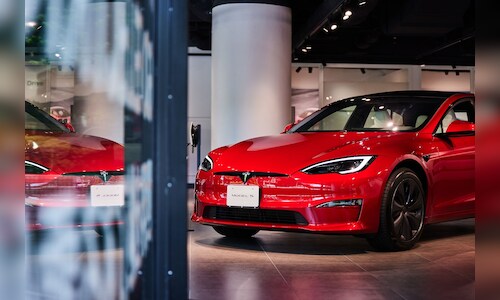
The Indian government is offering a deal to electric car companies: import a limited number of electric cars with a 15% import tax if they invest and build a factory in India within five years.
The companies can import up to 8,000 cars annually.
This is intended to attract global manufacturers and boost domestic EV manufacturing.
The policy allows for brownfield investments.
Tesla, however, is reportedly not interested in local manufacturing, preferring to start showrooms.

India has notified guidelines to promote domestic manufacturing of electric cars.
A concessional import duty of 15% is offered on completely built-up units.
The scheme allows EV manufacturers to import up to 8,000 units per year.
Cars must have a minimum cost-insurance-freight value of $35,000.
The policy allows for brownfield investments.
- Who
- The Indian government and EV manufacturers.
- What
- The government is offering a reduced import duty of 15% on electric cars.
- When
- June 2, 2025
- Where
- India
- Why
- To promote domestic manufacturing of electric cars.
Indian Government
Global EV Manufacturers
Policy Goals
Indian Government
The Indian Government aims to promote domestic manufacturing and attract foreign investment in the EV sector.
Global EV Manufacturers
Global EV manufacturers are seeking favorable conditions for investment and market access.
- Reduced Import Duty
- 15%
- Maximum Annual Imports
- 8,000 units
- Minimum Vehicle Value
- $35,000
- Duty Reduction Period
- Five years
- Guidelines Notified
- June 2, 2025
Sources
Government unveils electric car manufacturing plan: 10 things to know about the new scheme
India to open flagship EV policy offering duty cuts to woo global carmakers
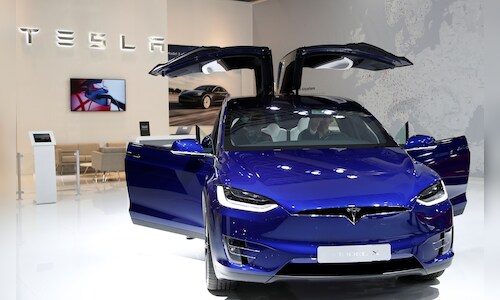
Don’t expect Tesla to manufacture in India, says Heavy Industries Minister Kumaraswamy
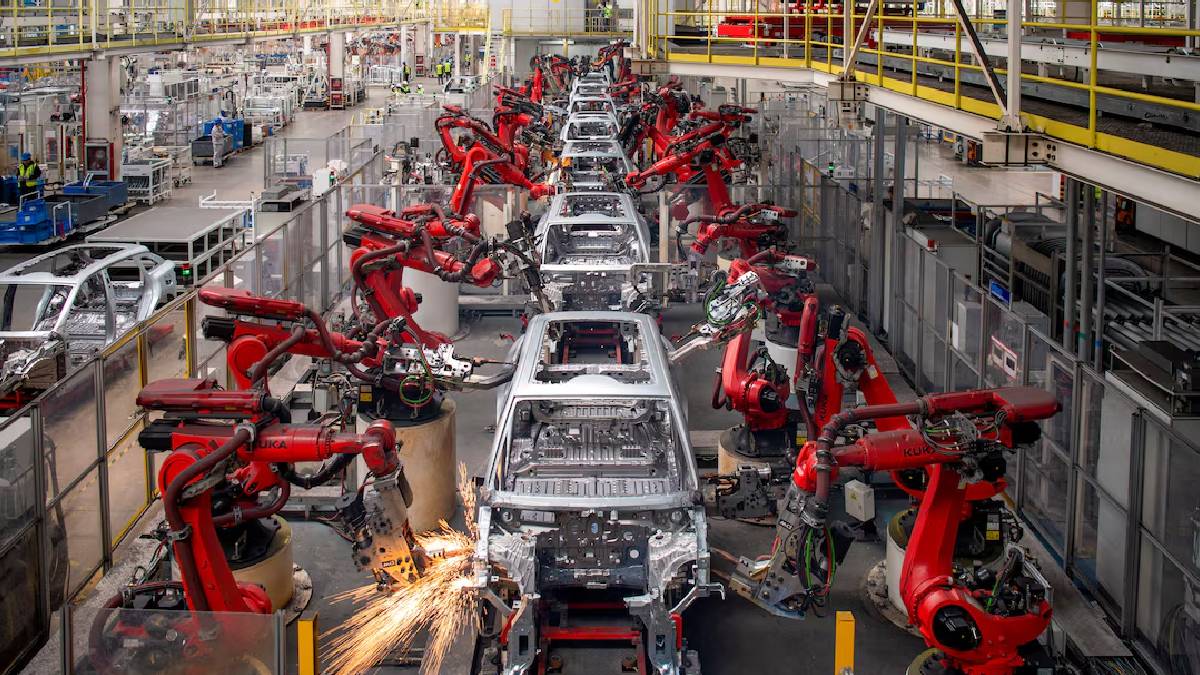
Govt incentivises local EV production with significant import duty cuts
India to Open Flagship EV Making Policy to Lure Global Giants
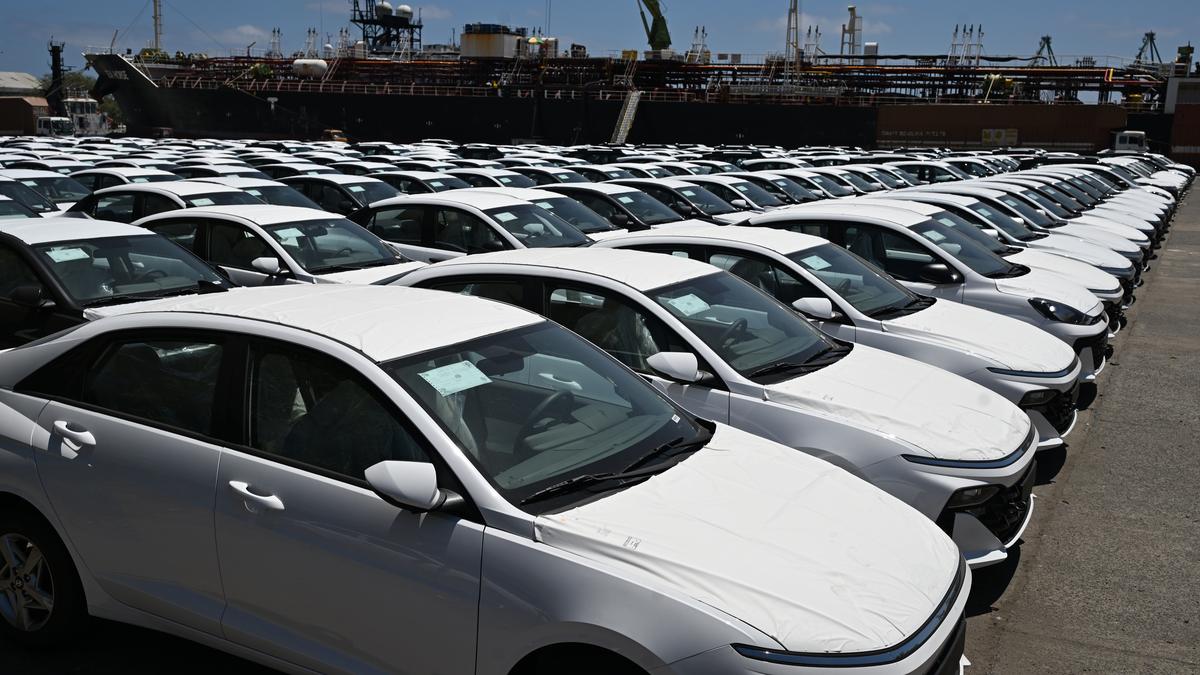
Centre cuts import duty on electric cars in lieu of local manufacturing