

Archive · 3 Jun 2025
Understanding Gleason Score in Prostate Cancer and Importance of Early Testing
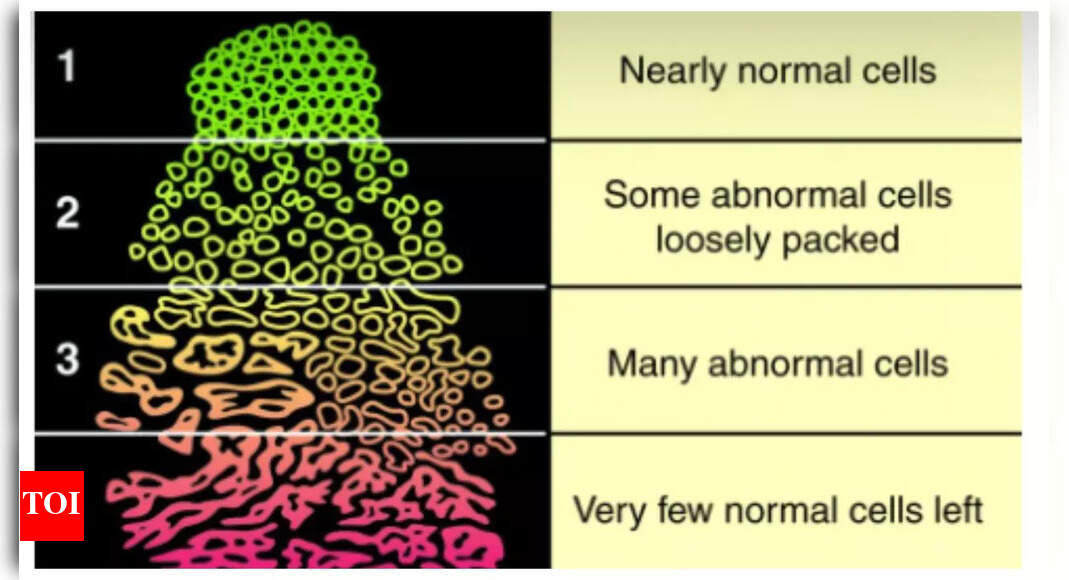
Prostate cancer is a type of cancer that grows in the prostate gland, a male reproductive organ.
Doctors use the Gleason score to understand how serious the cancer is.
They look at the cancer cells under a microscope and give them a grade from 1 to 5.
The Gleason score is found by adding the two most common grades.
A lower score, like 6, means the cancer is growing slowly, but a higher score, like 9 or 10, means it's growing faster and might spread.
It's really important to catch prostate cancer early, especially after age 40, because it can save lives.
This means regular check-ups, including blood tests, are important.

The Gleason score assesses prostate cancer aggressiveness using a 1-5 grading system based on cell appearance.
The Gleason score ranges from 6-10, determined by summing the two most common cell grades found in a biopsy.
A lower Gleason score (e.g., 6) indicates slower cancer growth, while a higher score (e.g., 9 or 10) suggests more aggressive cancer.
Early detection is crucial, especially for men over 40, due to often asymptomatic early stages.
Regular check-ups, including PSA tests and digital rectal exams, are vital for early detection and better outcomes.
- Who
- Men, especially those over 40
- What
- The Gleason score, a grading system to assess prostate cancer aggressiveness.
- When
- Early detection is key
- Where
- The prostate gland
- Why
- To determine cancer aggressiveness and guide treatment decisions, and for better outcomes.
- Type of Cancer
- Cancer of the prostate gland
- Cell Grade Range
- 1-5
- Gleason Score Range
- 6-10
- Gleason Score Purpose
- Assesses cancer aggressiveness
- Risk Factor
- Increases after age 40
- Potential Symptoms
- Difficulty urinating, blood in urine, pelvic pain