

Archive · 23 Jul 2026
Logistics Crucial for Military Success in Modern Warfare
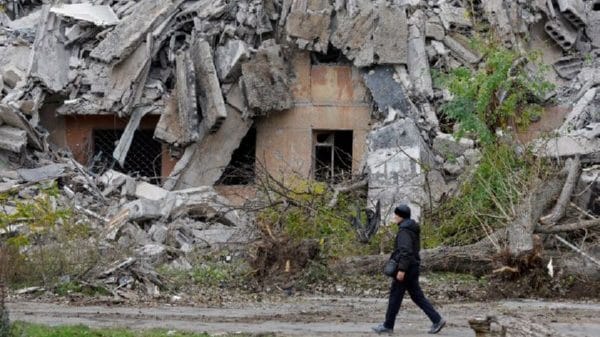
Wars are not just about having the best weapons or strategies.
They are also about making sure that soldiers have everything they need to keep fighting.
This includes things like food, fuel, ammunition, and repair facilities.
Recent wars, like the one between Russia and Ukraine, have shown that countries with better logistics—like reliable supply chains and efficient transportation—can last longer and fight better.
India, which wants to be a strong military power, needs to focus more on logistics.
This means building better roads, improving supply chains, and making sure that the military can get what it needs quickly.
Technology can also help, like using AI to manage supplies or autonomous vehicles to deliver goods in tough places.
In the end, winning a war is not just about having the best weapons, but about being able to keep using them for as long as needed.

Logistics are crucial for military success, as seen in recent conflicts like the Russia-Ukraine war.
Ukraine's efficient logistics and international support have sustained its resistance despite fewer resources.
India has made progress in military logistics but still faces challenges like fragmented defence logistics and dependence on foreign suppliers.
Integrated theatre commands and a strong domestic defence industrial base are essential for improving logistics.
Technology like AI, predictive maintenance, and autonomous vehicles can transform military logistics.
- Who
- Military strategists, defence planners, and nations involved in modern warfare.
- What
- The critical role of logistics in military success.
- When
- During high-intensity conflicts and prolonged military operations.
- Where
- Global conflicts, particularly highlighted in the Russia-Ukraine war and West Asia.
- Why
- To sustain military forces and ensure operational readiness over extended periods.
Traditional Military Focus
Logistics-Centric Approach
Resource Allocation
Traditional Military Focus
Prioritizes advanced weaponry and tactical strategies.
Logistics-Centric Approach
Emphasizes sustainable supply chains and logistical resilience.
Defense Planning
Traditional Military Focus
Focuses on acquiring new military platforms.
Logistics-Centric Approach
Stresses long-term maintenance and lifecycle support.
Conflict Preparedness
Traditional Military Focus
Relies on immediate firepower to win battles.
Logistics-Centric Approach
Ensures prolonged operational readiness through robust logistics.
- Conflict Examples
- Russia-Ukraine War, West Asia Conflicts
- Key Logistics Factors
- Ammunition production, repair facilities, transportation networks, stockpile management
- India's Progress
- Border roads, strategic tunnels, freight corridors, airlift capabilities, naval infrastructure
- Remaining Gaps
- Fragmented defence logistics, dependence on foreign suppliers, need for integrated theatre commands
- Technological Advancements
- AI, predictive maintenance, autonomous vehicles, digital twins, advanced analytics