Archive · 21 Sep 2026
Scientists Identify New Leopard-Like Wild Cat Species in Bolivia
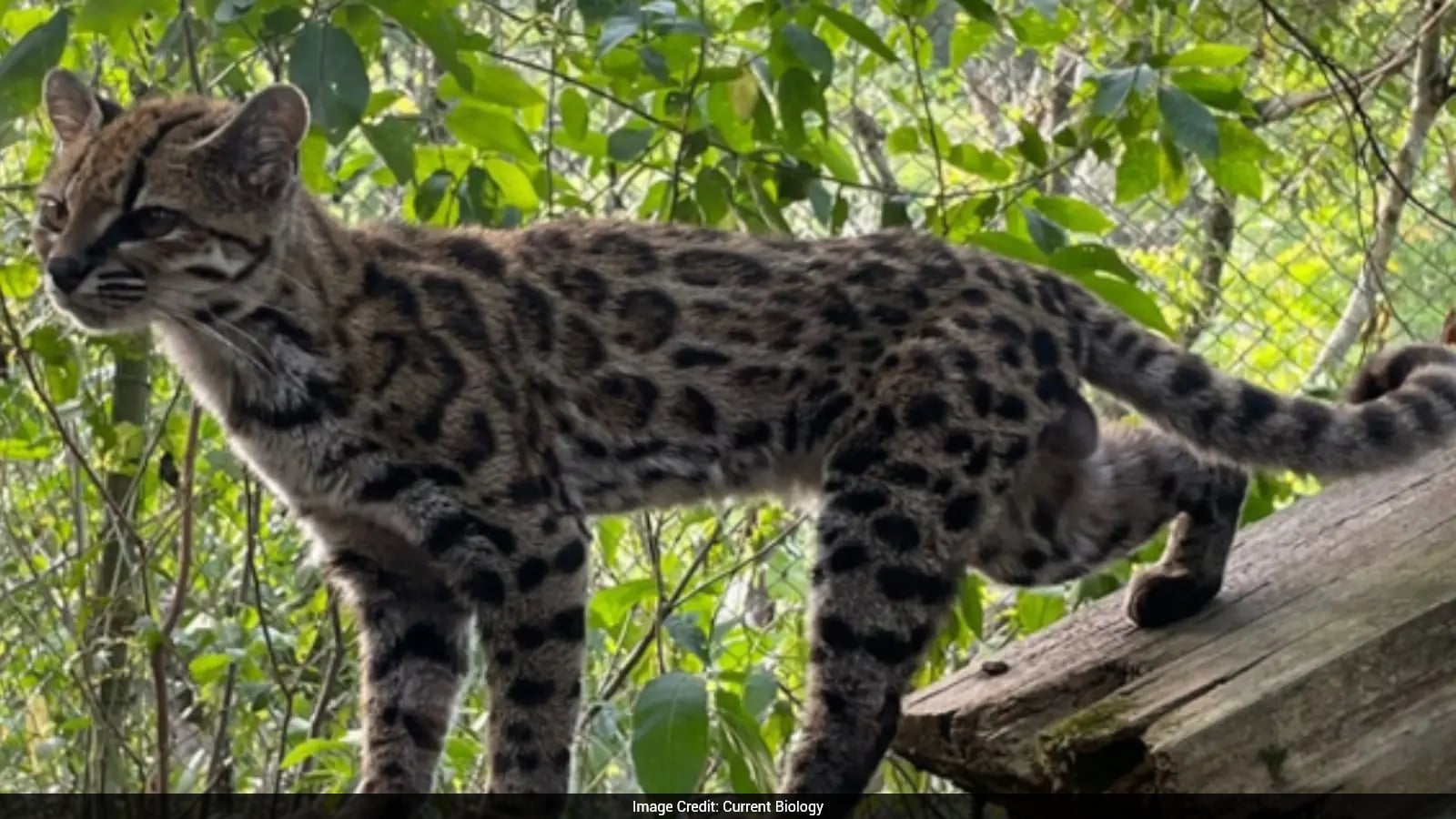
Scientists discovered that a tiny spotted cat in Bolivia is a species that science had not officially recognized before.
The cat is smaller than an average house cat and looks a little like a leopard.
It has been living at a wildlife sanctuary for years.
A local family found it in the forest and brought it there after realizing it was wild.
Researchers studied its DNA and compared it with more than 30 other cats.
They learned that its family line separated from related cats about 1.4 million years ago.
The species was named Leopardus tilcayo, using a name known by local communities.
Only one living member has been confirmed so far.
Scientists hope identifying it will help them find more cats and protect its forest home.

Researchers formally described Leopardus tilcayo, a previously unrecognized wild cat species from Bolivia.
Only one confirmed living member is known: a tiny male at the Senda Verde wildlife sanctuary.
Genetic comparisons with more than 30 cats showed its lineage split from relatives about 1.4 million years ago.
The discovery is the first formal identification of a living wild cat species since the pampas cat in 1923.
Scientists still need to determine the cat’s population, range, diet, behavior and reproductive patterns amid deforestation and gold mining.
- Who
- Bolivian biologist Paola Nogales-Ascarrunz and an international research team, including evolutionary biologist Jonas Lescroart, identified the species.
- What
- Scientists formally described Leopardus tilcayo as a previously unrecognized wild cat species.
- When
- The discovery was reported Thursday in the journal Current Biology; the articles do not provide an exact date.
- Where
- The confirmed cat lives at the Senda Verde wildlife sanctuary, and the species has been confirmed in Bolivia’s Yungas forests in the Andes.
- Why
- Researchers sought to place the cat in the feline family tree, clarify tiger-cat diversity and support protection of its threatened habitat.
- Species
- Leopardus tilcayo
- Known members
- Only one confirmed living member is currently known
- Physical description
- The male is about 18 inches (46 centimeters) from head to tail base and weighs about 3 pounds (1.4 kilograms)
- Genetic history
- Its lineage split from related cats approximately 1.4 million years ago
- Genetic comparison
- Researchers compared genomes from more than 30 cats, using fresh and museum-preserved samples
- Historical significance
- It is the first living wild cat species formally identified since the pampas cat in 1923
- Threats
- Its Yungas forest habitat faces accelerating deforestation and gold mining