

Archive · 18 Aug 2025
India Bans Books: When Words Become Weapons in Kashmir's Conflict
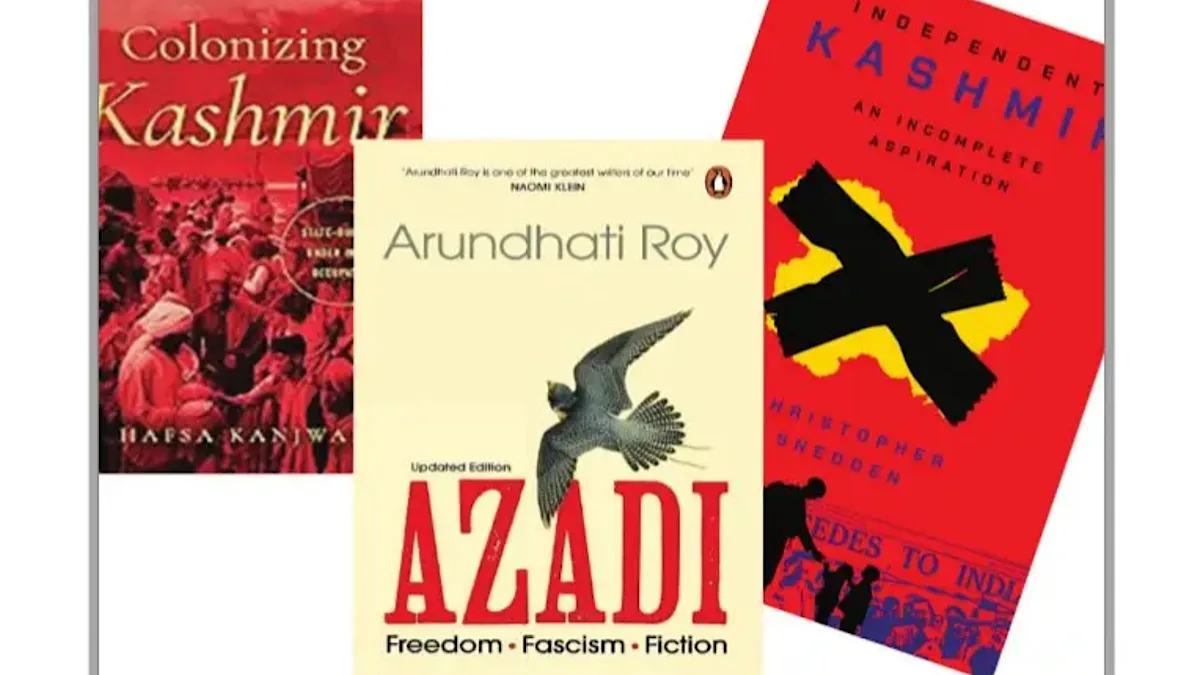
India recently banned 25 books about Kashmir, claiming they supported terrorism.
This has caused a debate about whether it's right to control what people read, especially when it comes to sensitive topics like the conflict in Kashmir.
The books in question present different views on the history of Kashmir, which has been a source of conflict since 1947.
Some argue that these books paint a biased picture and might encourage violence.
Others worry that banning books limits freedom of expression.
The government's decision is seen as part of a larger struggle over how the story of Kashmir is told.

The Indian government banned 25 books, alleging they glorified terrorism and incited secessionism in Jammu and Kashmir.
The ban has sparked debates about censorship and the role of literature in the conflict.
The roots of the conflict stem from 1947, with Pakistan's historical narratives differing from India's.
The banned works include titles by internationally recognized writers like Arundhati Roy.
Officials argue that the bans are necessary, as words can radicalize and contribute to unrest.
- Who
- The Indian government banned books by various authors.
- What
- The Indian government banned 25 books for allegedly glorifying terrorism and inciting secessionism.
- When
- Recently, under the Bharatiya Nagarik Suraksha Sanhita 2023.
- Where
- Jammu and Kashmir
- Why
- To counter narratives that allegedly glorify terrorism and incite secessionism.
Critics of the Ban
Supporters of the Ban
Censorship vs. Security
Critics of the Ban
View the bans as an overreach and censorship.
Supporters of the Ban
See the bans as guardrails in an information war.
- Books Banned
- 25
- Reason for Ban
- Glorifying terrorism and inciting secessionism
- Region Affected
- Jammu and Kashmir
- Legal Basis
- Bharatiya Nagarik Suraksha Sanhita 2023, Section 98
- Key Author
- Arundhati Roy
- Historical Context
- Conflict since 1947