

Archive · 11 Aug 2026
AMH of 0.65 in 30-year-olds sparks fertility concern, expert says
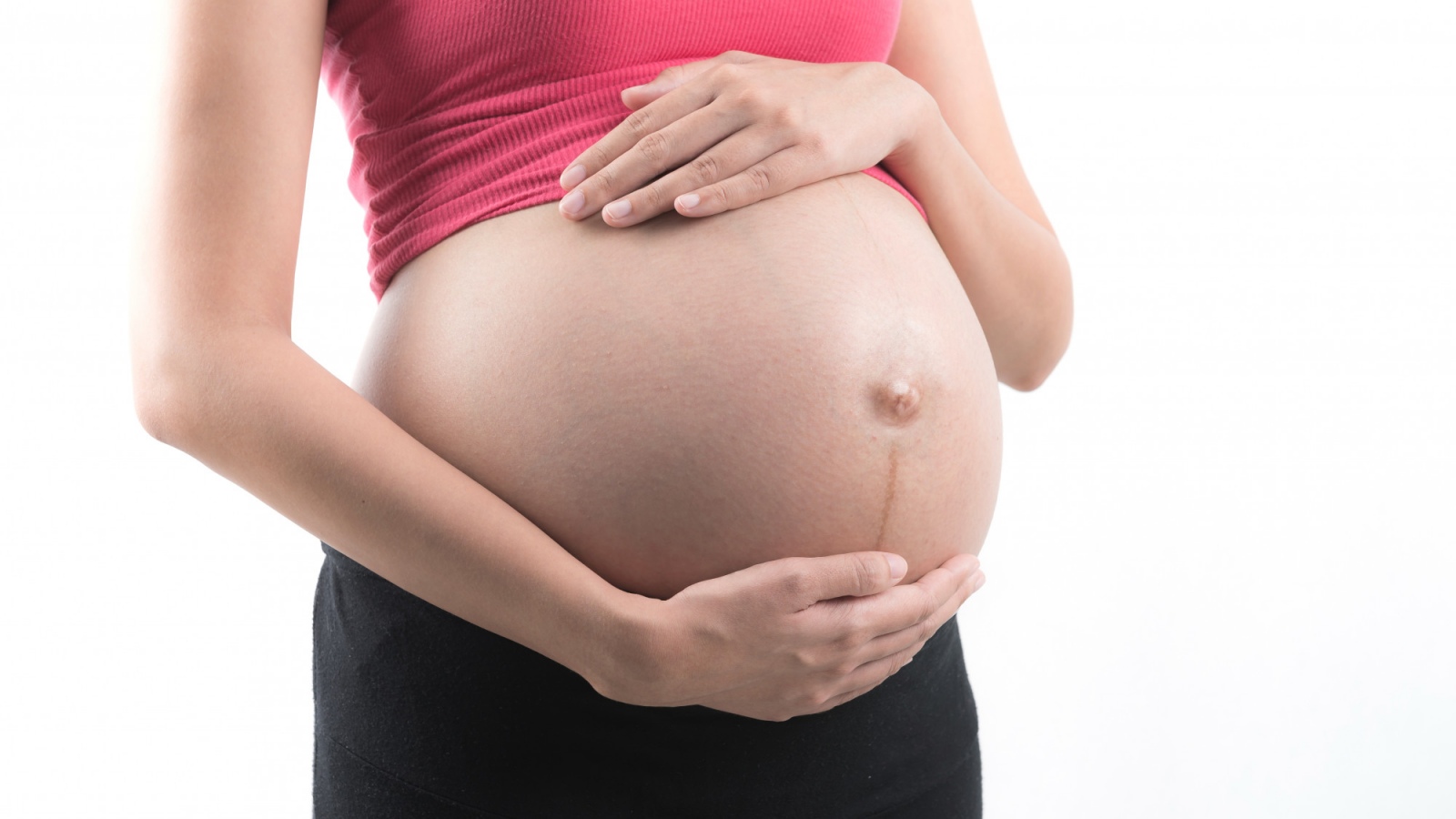
Inside a woman's body, there are tiny eggs that she is born with.
Over time, the number of these eggs goes down.
Doctors use a special test called AMH to guess how many eggs a woman still has.
AMH is short for a long name: anti-Müllerian hormone.
A woman who is 30 years old usually has an AMH number around two or three.
But a fertility expert named Zohra Dawoodani said some 30-year-old women came to her with an AMH of only 0.65.
That low number is more common for women in their 40s.
So a very low AMH number can be a warning sign that a woman's egg supply is low for her age.
This information can help women talk to their doctors about their future plans.

Fertility and pregnancy expert Zohra Dawoodani discussed why an AMH level of 0.65 at age 30 may be concerning for a woman's ovarian reserve.
AMH, or anti-Müllerian hormone, is used as an indicator of ovarian reserve, giving doctors an estimate of the remaining egg supply.
Dawoodani said a 30-year-old woman should easily have an AMH between 2, 2.5, or 3.
She noted that an AMH of 0.65 typically occurs once a woman is in her 40s.
Women are born with a finite number of eggs, which declines over time.
- Who
- Zohra Dawoodani, a fertility and pregnancy expert, who discussed the topic in a video shared on Instagram.
- What
- An explanation of why an AMH level of 0.65 at age 30 may be concerning for a woman's ovarian reserve and remaining egg supply.
- When
- Not specified in the article.
- Where
- Instagram, where Dawoodani's video was shared; no specific physical location was given.
- Why
- Because an AMH of 0.65 is unusually low for a 30-year-old, as such levels would normally be expected in a woman in her 40s.
- Expert
- Zohra Dawoodani
- Topic
- AMH (anti-Müllerian hormone) as an indicator of ovarian reserve
- AMH level highlighted
- 0.65
- Typical AMH at age 30
- Between 2, 2.5, and 3
- Age when AMH of 0.65 is typical
- 40s
- Platform
- Key fact
- Women are born with a finite number of eggs that declines over time