

1 day ago
Dolly Parton’s Death Revives Debate Over Politics and Public Culture

Dolly Parton became famous without making people choose a political team before listening to her.
She had personal beliefs and supported groups facing unfair treatment.
However, she usually spoke with generosity instead of attacking people.
This allowed conservatives, liberals, religious people and LGBTQ audiences to connect with her.
Her songs discussed problems such as poverty, work, love and discrimination.
She also helped children through a large literacy program that provided books and opportunity.
Parton believed that keeping control of her creative work was important.
Her life showed that being successful and helping others can happen at the same time.

Dolly Parton’s death has prompted questions about whether public figures must choose political sides.
Parton maintained political independence while supporting women’s equality, LGBTQ people and racial causes.
Her music, humor and generosity helped her appeal to conservatives, liberals, religious Americans and LGBTQ audiences.
Her children’s literacy philanthropy turned celebrity influence into books, opportunity and access.
By retaining her songwriting rights and giving back, Parton linked creative independence with social responsibility.
- Who
- Dolly Parton, whose death is discussed in the article.
- What
- Her death has prompted reflection on nonpartisan celebrity influence, political identity and public culture.
- Where
- America and American public culture.
- When
- After Dolly Parton’s death; the article does not provide a specific date.
- Why
- Parton’s broad appeal raises questions about whether public figures can address injustice without turning every relationship into a partisan conflict.
Partisan Public Engagement
Nonpartisan Public Influence
How celebrities should use influence
Partisan Public Engagement
Public figures may be expected to announce political allegiances, identify injustice clearly and mobilize audiences around causes.
Nonpartisan Public Influence
Parton’s example suggests public figures can support equality and respond to injustice without endorsing a political party.
Building public audiences
Partisan Public Engagement
Political identity and denunciation can organize audiences and generate engagement, especially on social media.
Nonpartisan Public Influence
Humor, generosity and shared human experiences can lower defenses and bring together people who disagree politically.
Meaning of public success
Partisan Public Engagement
Celebrity influence can be directed toward ideological communities and political causes.
Nonpartisan Public Influence
Parton connected commercial independence with philanthropy, showing that wealth and self-interest can coexist with giving back.
Key facts
- Political approach
- Parton avoided partisan politics but was not morally silent.
- Causes mentioned
- She supported women’s equality, LGBTQ people and racial causes.
- Audience reach
- Her appeal crossed conservative, liberal, religious, LGBTQ, feminist, country-traditionalist and younger audiences.
- Philanthropy
- Her children’s literacy program provided books, opportunity and access.
- Creative independence
- She retained ownership of her songwriting rights.
- Elvis Presley decision
- She turned down the opportunity to have Elvis Presley record one of her songs in order to retain her rights.
- Central lesson
- Parton showed that personal success, independence and social responsibility need not conflict.
Sources
Related news

Dolly Parton, Country Music Icon, Dies at 80
Dolly Parton Built Independence Beyond Rhinestones and Fame
Dolly Parton Dies at 80 as Nation Honors Country Icon
Dolly Parton’s Feminist Legacy Resonated Despite Her Reluctance
Dolly Parton Fans Challenge Tributes From Bezos and Rowling
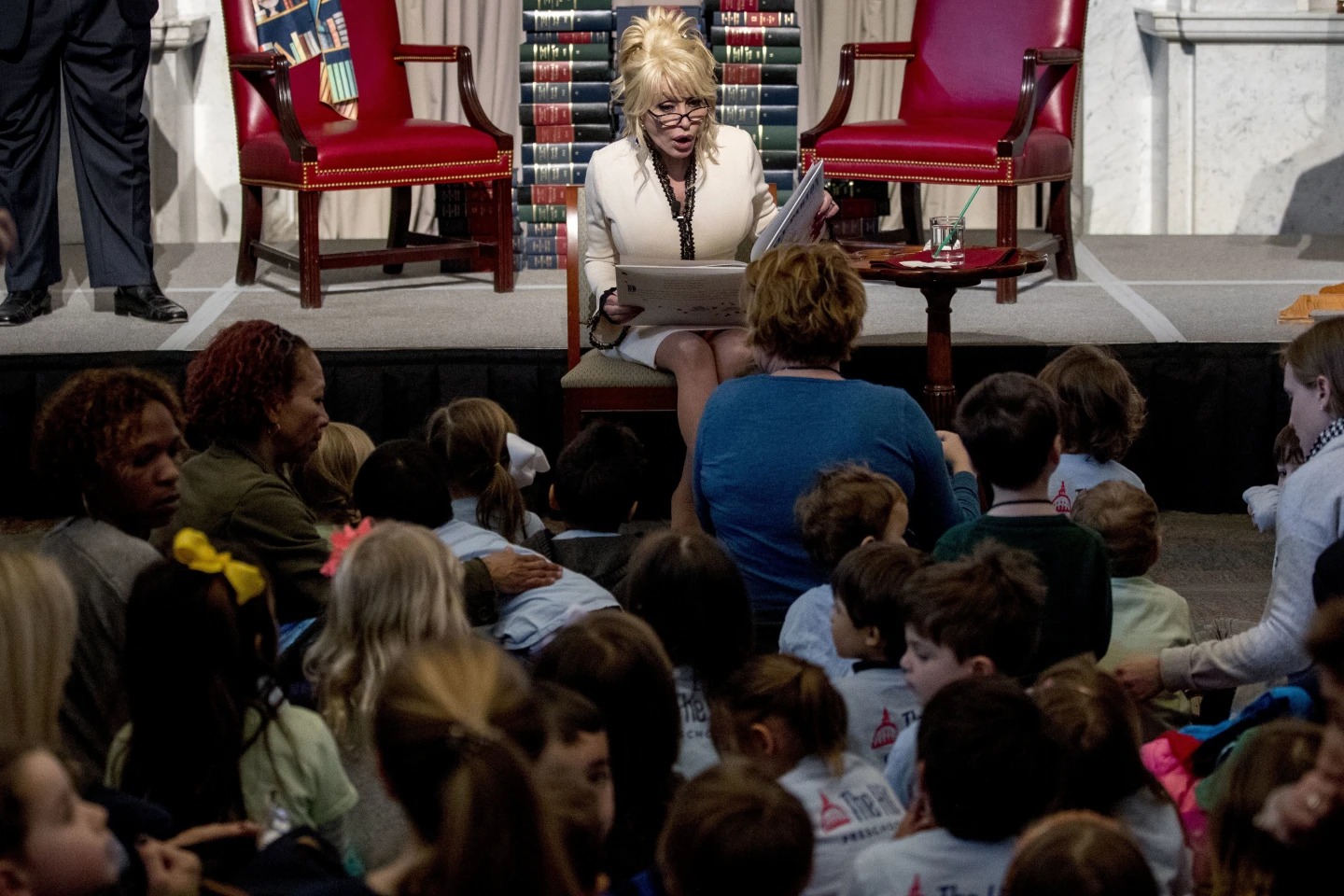
Dolly Parton Dies at 80 After Brief Cancer Battle

Dolly Parton Built a Business Empire Through Ownership and Vision
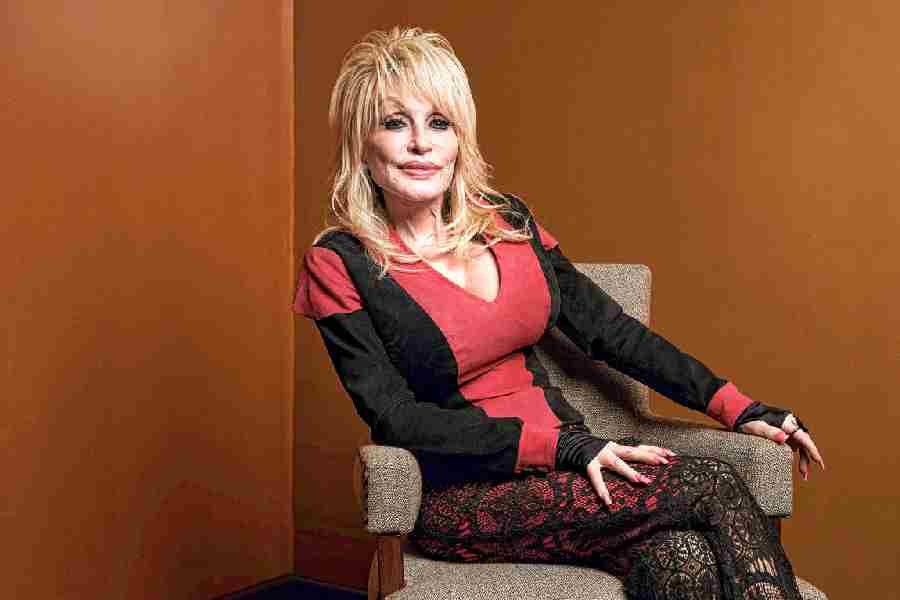
Dolly Parton Remembered as Country Music’s Cultural Icon
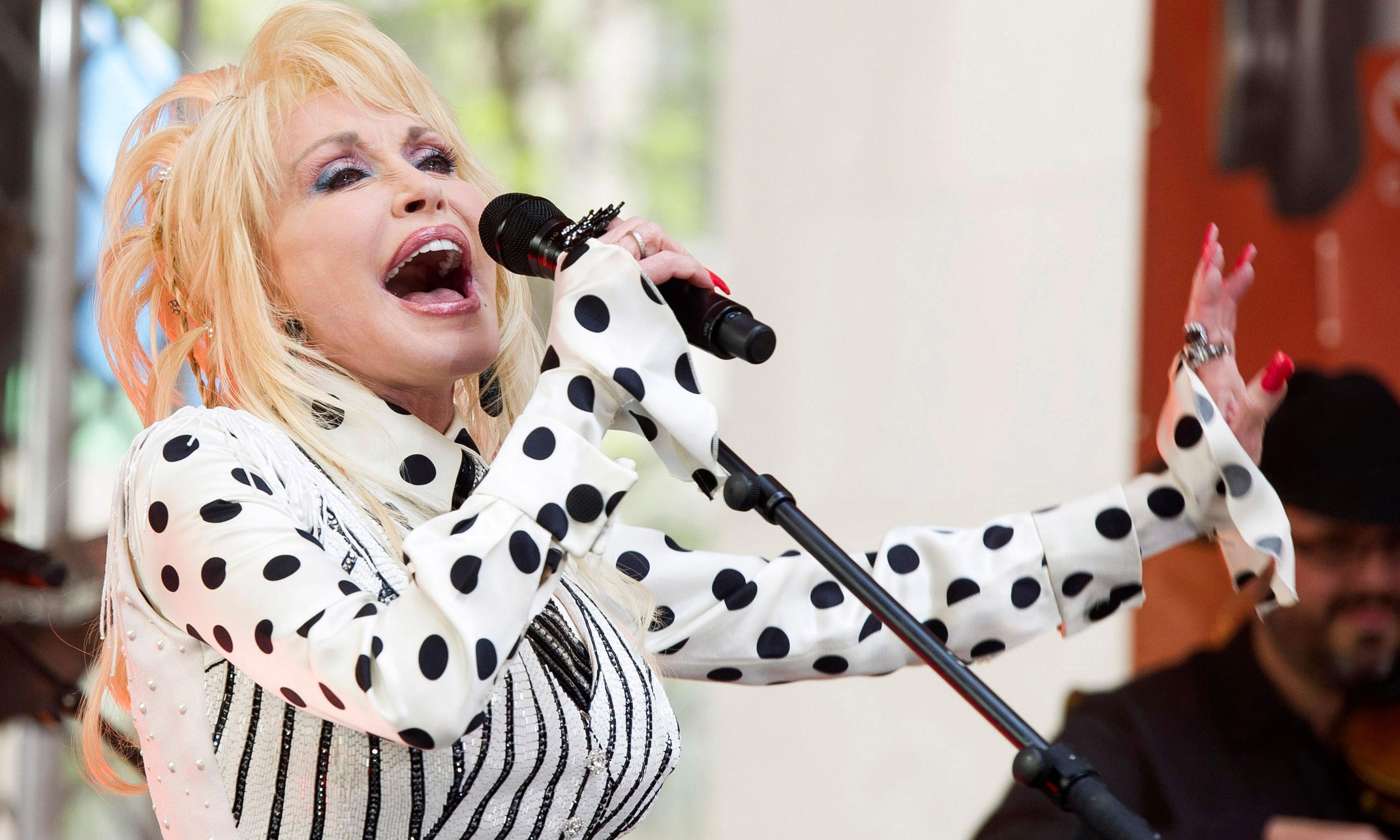
Dolly Parton Remembered Through Five Decades of Candid Words
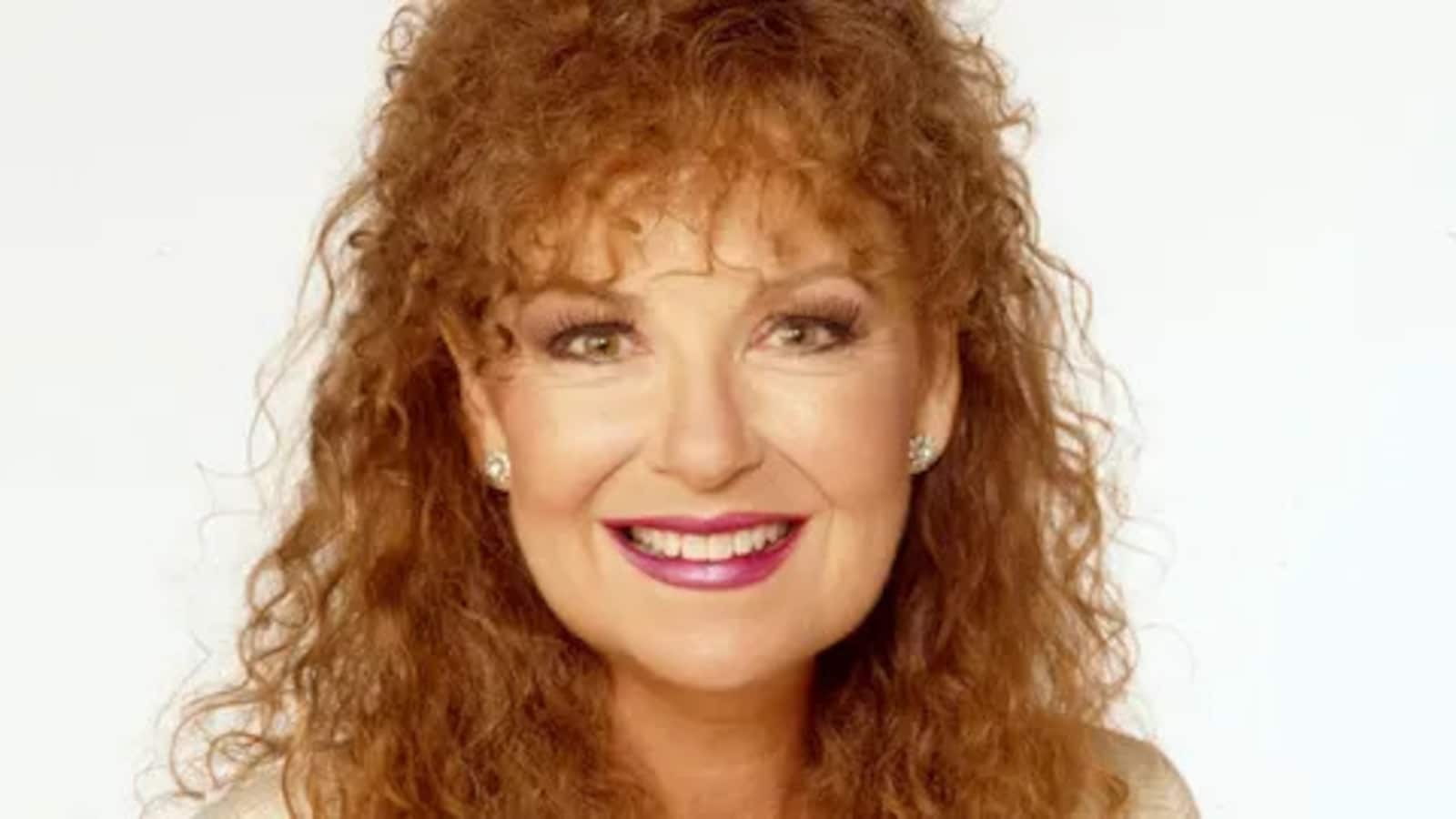
Shelley Fabares, Donna Reed and Coach Star, Dies at 82
