Archive · 28 May 2025
German Court Dismisses Climate Case, Sets Legal Precedent
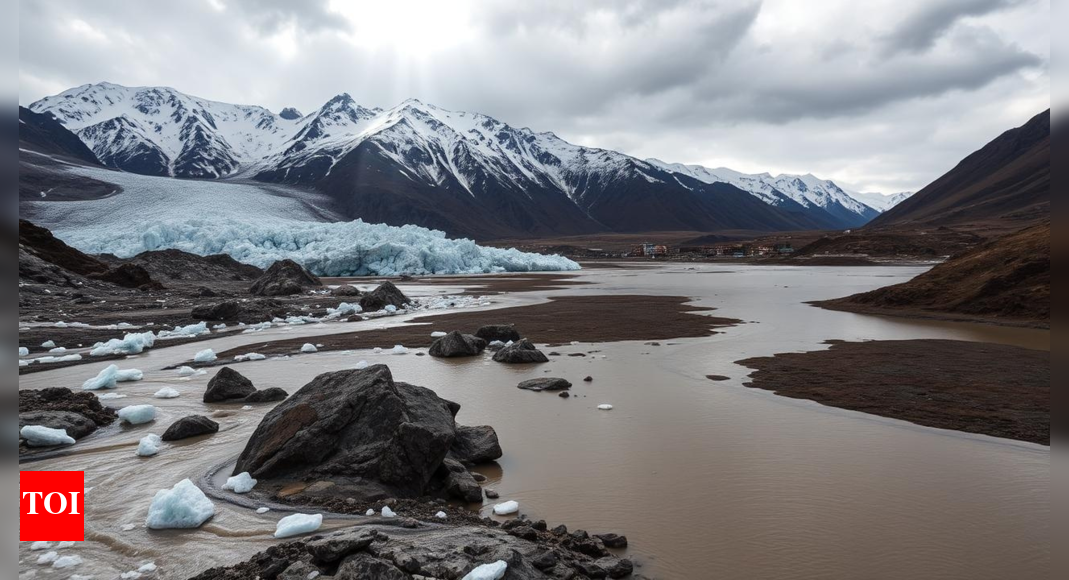
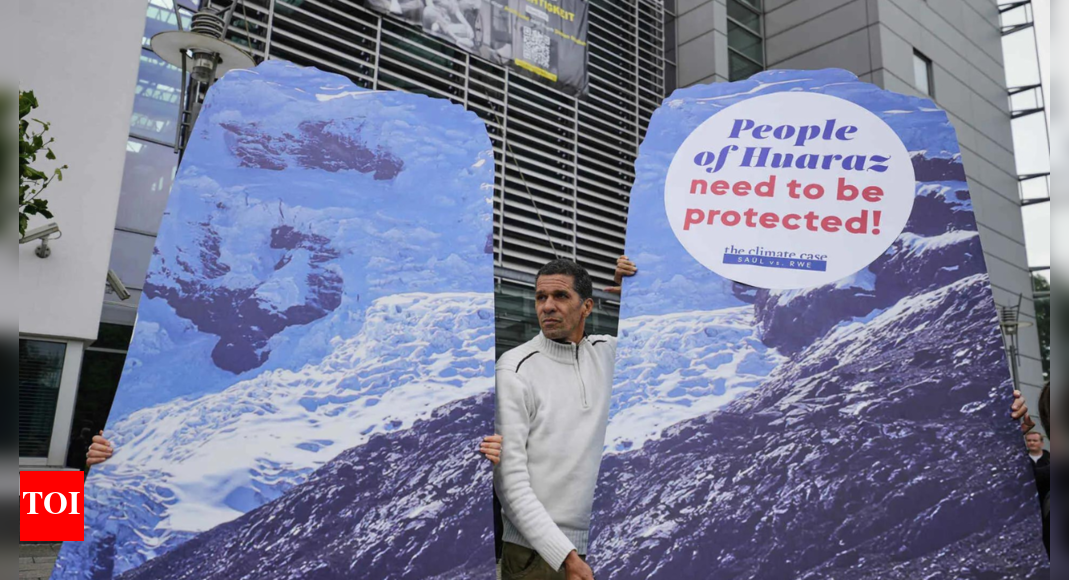
A farmer from Peru sued a German company, RWE, because he said their pollution was making his home more likely to flood due to climate change.
He wanted them to help pay for flood defenses.
The court said his house wasn't at enough risk to make the company pay up this time.
However, the court did say that companies can be responsible for the damage caused by their pollution.
This is a big deal and could help people in other countries who are also dealing with climate change.

A German court dismissed a case brought by a Peruvian farmer against energy company RWE.
The farmer sued RWE for contributing to climate change-related flood risks in his hometown.
The court ruled that the risk to the farmer's property was not high enough to warrant compensation.
The court did establish that companies can be held liable for the impacts of their emissions.
The case is seen as a landmark ruling, potentially influencing future climate lawsuits.
- Who
- Saul Luciano Lluiya, a Peruvian farmer, sued RWE, a German energy company.
- What
- A German court dismissed a climate lawsuit against RWE brought by a Peruvian farmer.
- When
- The court delivered its verdict, dismissing the case.
- Where
- Hamm, Germany
- Why
- The farmer argued that RWE's emissions contributed to the risk of flooding in his hometown due to climate change.
Peruvian Farmer's Perspective
RWE's Perspective
Responsibility for Climate Impacts
Peruvian Farmer's Perspective
RWE's emissions contribute to climate change which endangers his home through increased flood risk.
RWE's Perspective
RWE's stance is that they have complied with regulations and individual companies should not be held liable for effects of climate change.
- Plaintiff
- Saul Luciano Lluiya, Peruvian farmer
- Defendant
- RWE, German energy company
- Court Location
- Hamm, Germany
- Ruling
- Case dismissed, no appeal allowed
- Farmer's Claim
- RWE's emissions increased flood risk
- Court's Finding
- Damage to property not high enough