Archive · 26 Jul 2026
Supreme Court Mandates APAAR Opt-Out Option
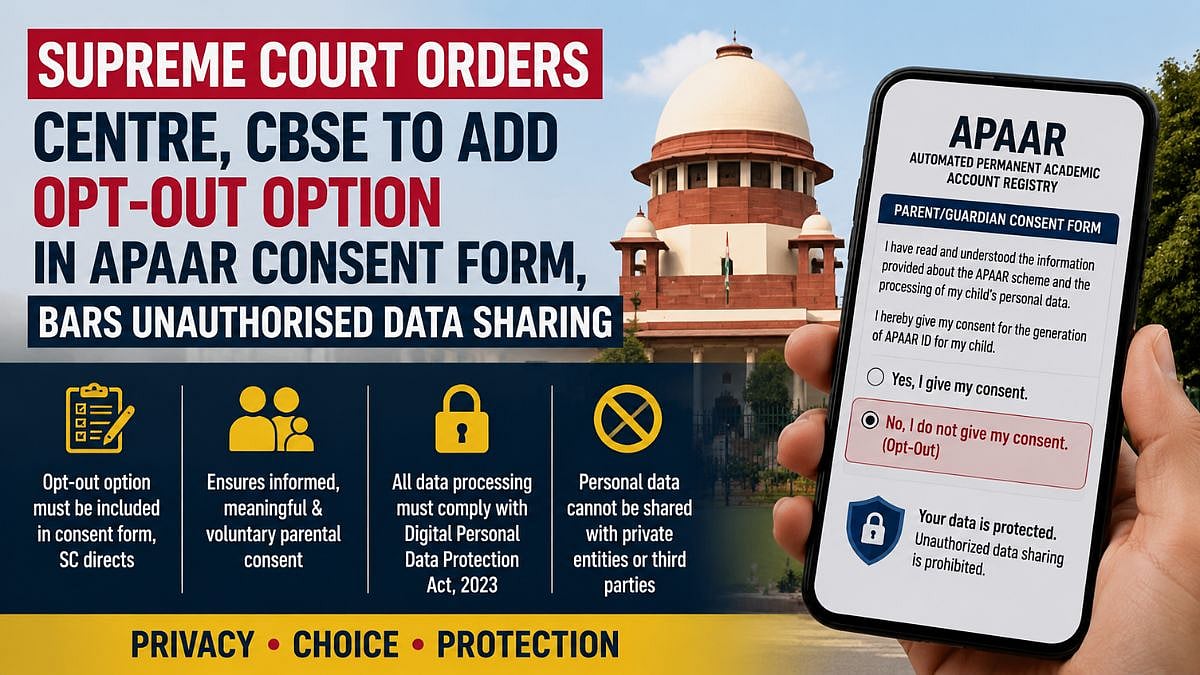
The Supreme Court of India has ordered the government and the Central Board of Secondary Education (CBSE) to add an opt-out option to the APAAR consent form.
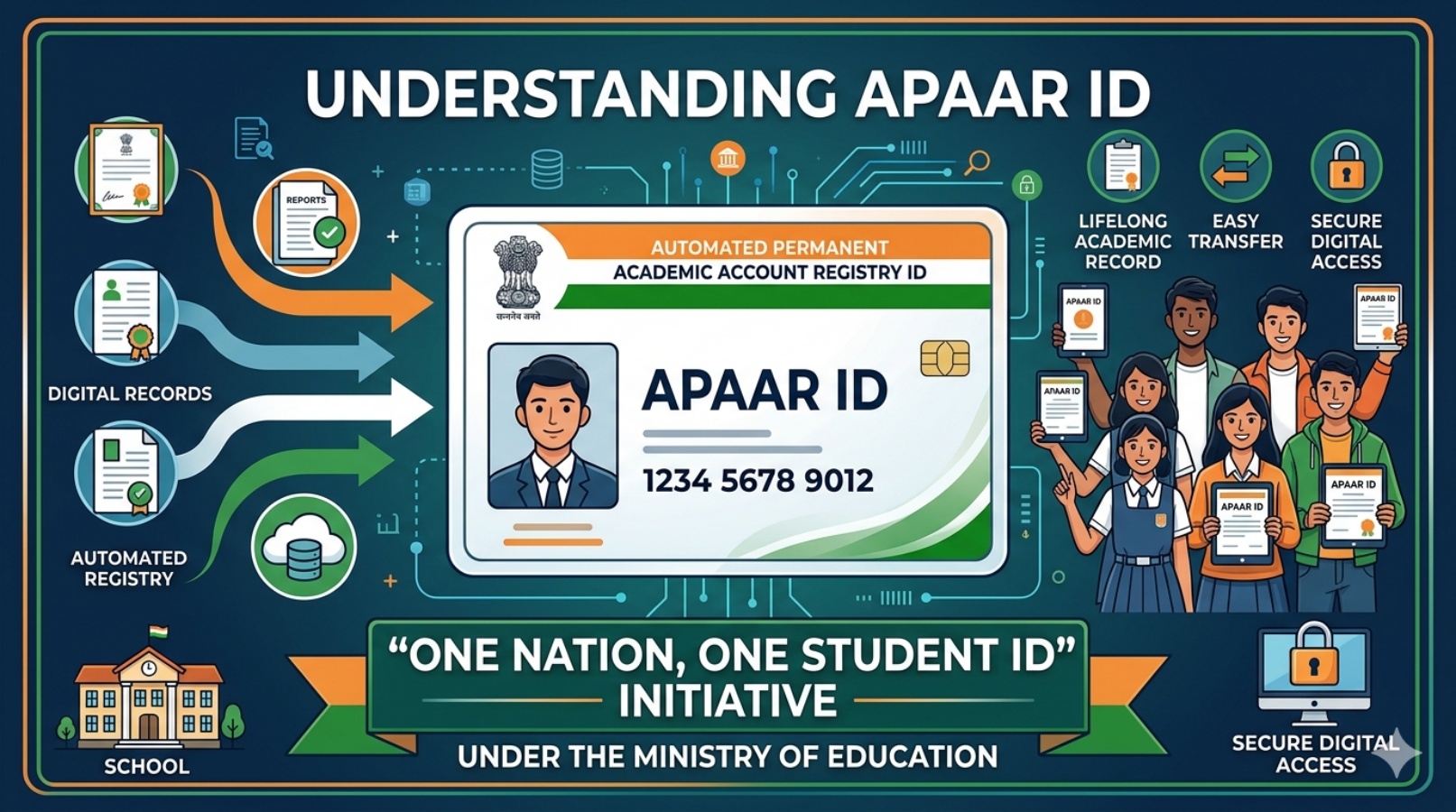
This form is used to create a permanent academic account for students.
The court said that parents should have the choice to refuse this account for their children.
The court also emphasized that the personal data collected through this scheme must be protected and not shared with anyone without proper authorization.
This decision came after parents of students in CBSE schools argued that the scheme could be used to track and profile children without their consent.
The court agreed and directed that the scheme must follow the rules set by the Digital Personal Data Protection Act, 2023.

The Supreme Court directed the Union Government and CBSE to add an opt-out option to the APAAR consent form.
The court emphasized that parental consent must be meaningful and informed.
The APAAR scheme allows for the collection and retention of personal data, raising privacy concerns.
The court reinforced that personal data collected under the APAAR scheme must comply with the Digital Personal Data Protection Act, 2023.
The petition was filed by parents of students in CBSE-affiliated schools, challenging the constitutional validity of the APAAR scheme.
- Who
- Supreme Court of India, Union Government, CBSE, Parents of students in CBSE-affiliated schools
- What
- Supreme Court directs the inclusion of an opt-out option in the APAAR consent form and reinforces privacy safeguards for students' personal data.
- When
- July 25, 2026
- Where
- New Delhi, India
- Why
- To ensure that parental consent is meaningful and informed, and to protect students' personal data from misuse.
Parents and Privacy Advocates
Government and CBSE
Opt-Out Option
Parents and Privacy Advocates
Parents and privacy advocates argue that an opt-out option is crucial to ensure that parental consent is meaningful and informed, not merely a formality.
Government and CBSE
The government and CBSE initially did not provide an opt-out option, making APAAR ID registration mandatory for students.
Data Privacy Concerns
Parents and Privacy Advocates
Parents and privacy advocates contend that the scheme allows extensive collection and long-term retention of personal data, which could be misused beyond educational purposes.
Government and CBSE
The government and CBSE argue that the scheme is necessary for tracking academic progress and ensuring educational continuity.
- Date
- July 25, 2026
- Court
- Supreme Court of India
- Petitioners
- Parents of students in CBSE-affiliated schools
- Respondents
- Union Government and CBSE
- Key Lawyers
- Senior Advocate Indira Jaising
- Legislation
- Digital Personal Data Protection Act, 2023
- APAAR Scheme
- Automated Permanent Academic Account Registry