

Archive · 30 Sep 2025
NITI Aayog: GDP Gap Between Rich and Poor States Concerning
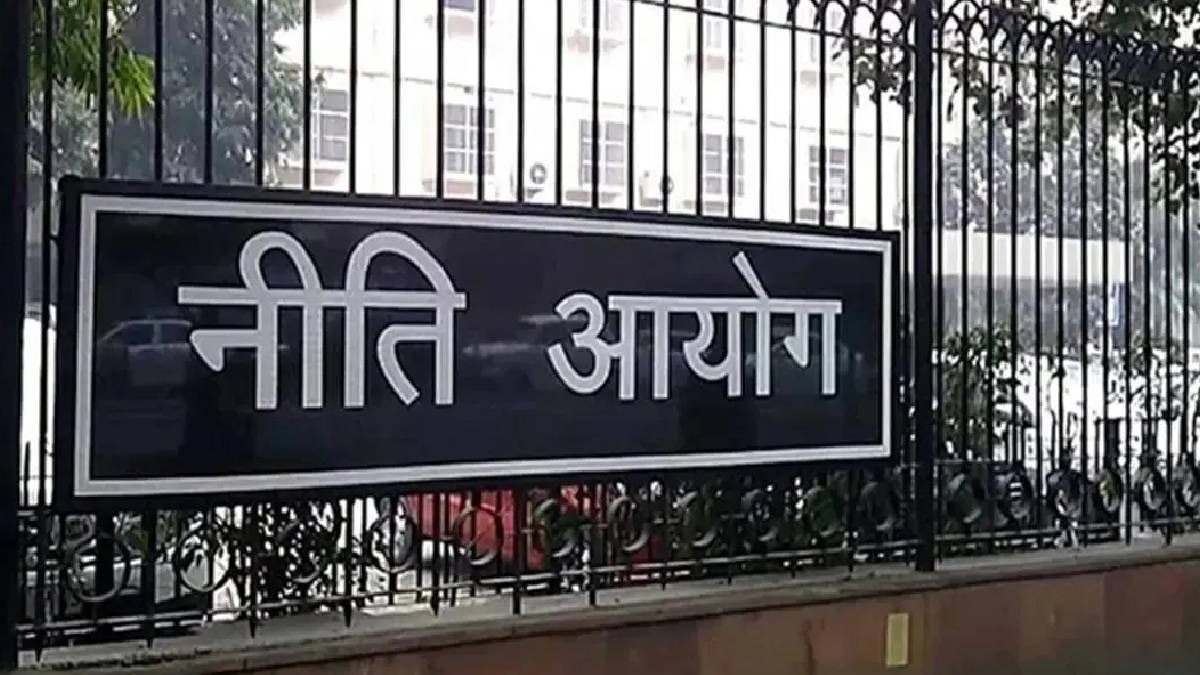
Imagine India like a big company with different parts.
The leader of a group that helps the country plan things said he is worried that some parts are doing much better than others.
Richer parts, with fewer people, make almost half of the company's money, while poorer parts, with more people, make much less.
He thinks it's important to help the poorer parts grow faster, even if it means doing things differently in different places.
Even though some areas are behind now, they can still improve, he says.
Also, many more people are working now, including many women in farming, some of whom are family members.

NITI Aayog expresses concern about the economic gap between high and low-income states.
High-income states (26% population) contribute 44% to India's GDP.
Low-income states (38% population) generate only 19% of the GDP.
Different development strategies are needed for different states.
Aggregate employment in India increased by 150 million.
- Who
- NITI Aayog Vice-Chairman Suman Bery
- What
- Expressed concern over the GDP gap between high and low income states
- When
- Not specified
- Where
- India
- Why
- To address economic disparities and promote inclusive growth
- Source
- NITI Aayog Vice-Chairman Suman Bery
- Event
- 6th Economics Conclave, University of Hyderabad
- High-Income States Population Share
- 26%
- High-Income States GDP Contribution
- 44%
- Low-Income States Population Share
- 38%
- Low-Income States GDP Contribution
- 19%
- Employment Increase
- 150 million
- Women in Agriculture
- 80 million
