

Archive · 12 Dec 2025
Supreme Court Report Highlights Caste Bias in Judiciary
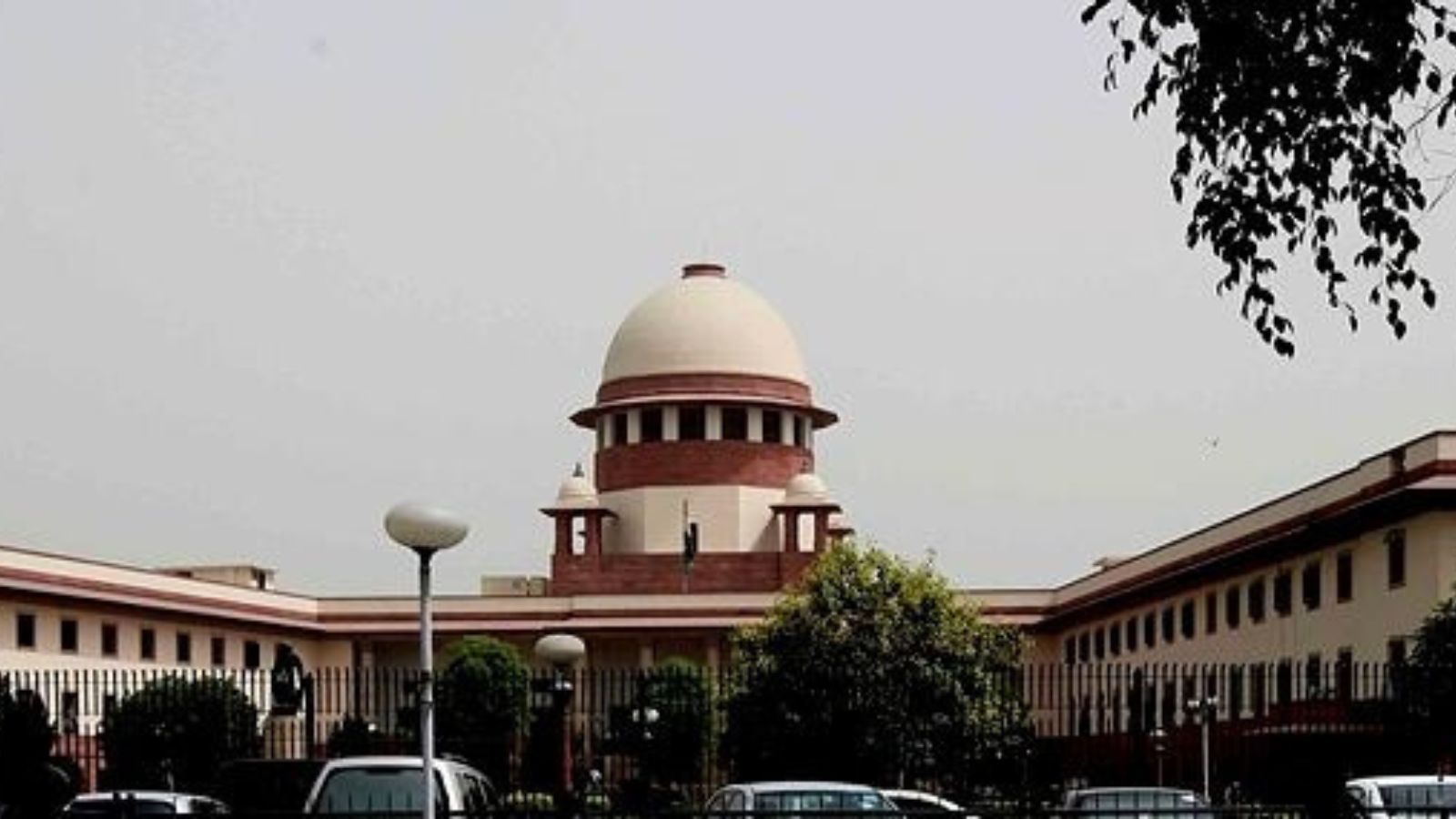
A new report by the Supreme Court shows that the Indian judiciary has deep-seated biases related to caste.
The report looks at past court decisions and finds that judges often use language and ideas that assume lower castes are inferior.
For example, some judges have compared affirmative action to giving a handicap to weaker horses, suggesting that lower castes need help to compete.
The report also notes that very few judges come from lower castes, which might contribute to these biases.
The authors argue that the judiciary needs to be more aware of caste issues to ensure fair and equal justice for all.

The Supreme Court's report reveals deep-seated caste prejudice in judicial reasoning and appointments.
Only 3.8% of High Court judges appointed from 2018-2025 are from Scheduled Castes, 2% from Scheduled Tribes.
Judicial language often reflects casteist assumptions, such as metaphors of deficiency and merit-based suspicion.
Derogatory terms like 'Harijan' have been used in judgments, despite being officially recognized as abusive.
The report identifies five patterns of caste bias in judicial discourse, including sanitized history and voluntary-group narratives.
- Who
- Supreme Court of India and researchers Anurag Bhaskar, Farrah Ahmed, and peers
- What
- A report revealing caste bias in judicial reasoning and appointments
- When
- Report published in December 2025, data from 2018-2025
- Where
- India
- Why
- To highlight systemic caste prejudice in the judiciary and advocate for a caste-aware judiciary
- Report Title
- Report on Judicial Conceptions of Caste
- Authors
- Anurag Bhaskar, Farrah Ahmed, and peers
- Publication Date
- December 2025
- High Court Judges (2018-2025)
- 841 total, 32 (3.8%) from SC, 17 (2%) from ST, 103 (12.2%) from OBC, 46 (5.5%) from minorities
- Crimes Against SC in 2023
- 57,000