

Archive · 28 Dec 2025
First Eye Exam for Children
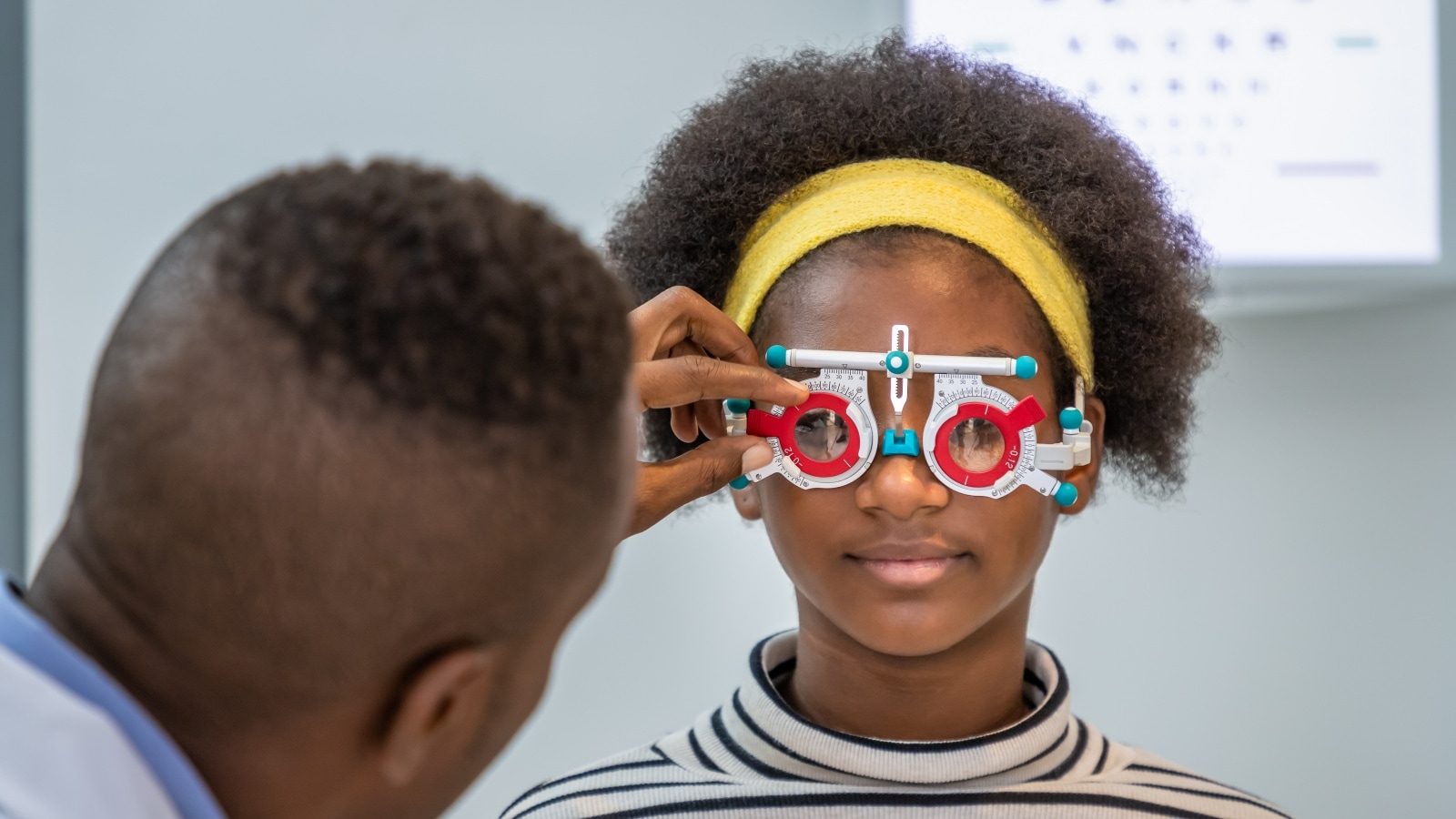
Doctors say children should have their first eye exam at 6 months old.
This is because eyes grow and change very fast when babies are young.
Catching problems early, like lazy eye or misalignment, helps doctors fix them before they cause big problems.
Parents should watch for signs like eye rubbing or squinting.
After the first exam, kids should have their eyes checked again at 3 years old, before starting school, and then every year.
Kids who wear glasses might need checkups more often.
Early eye exams help kids see better and do well in school.

Children should have their first comprehensive eye examination at 6 months of age.
Subsequent eye checkups are recommended at 3 years, before starting school, and then annually.
Early detection of conditions like congenital cataracts, eye alignment problems, and refractive errors is crucial for effective treatment.
Parents should watch for warning signs such as frequent eye rubbing, squinting, and holding objects close to the eyes.
Undetected vision problems can significantly affect a child's development and school performance.
- Who
- Children, parents, and pediatric ophthalmologists
- What
- The importance of early and regular eye examinations for children
- When
- Starting at 6 months of age, followed by checkups at 3 years, before school, and then annually
- Where
- At a pediatric ophthalmologist's office
- Why
- To detect and treat eye conditions early, ensuring normal visual development and preventing permanent vision loss
- Recommended Age for First Eye Exam
- 6 months
- Subsequent Eye Checkups
- At 3 years, before starting school, and then annually
- Conditions to Detect Early
- Congenital cataracts, eye alignment problems, refractive errors, amblyopia, and eye misalignment
- Warning Signs of Vision Problems
- Frequent eye rubbing, squinting, excessive blinking, holding objects close to eyes, tilting head to focus, trouble tracking moving objects, avoiding reading or screen tasks, complaining of headaches, persistent eye misalignment, or unusual light sensitivity
- Frequency of Eye Checks for Children with Glasses or Eye Conditions
- More frequent monitoring is essential