

1 hr ago
UN Security Council Brings US, Chinese AI Makers Together
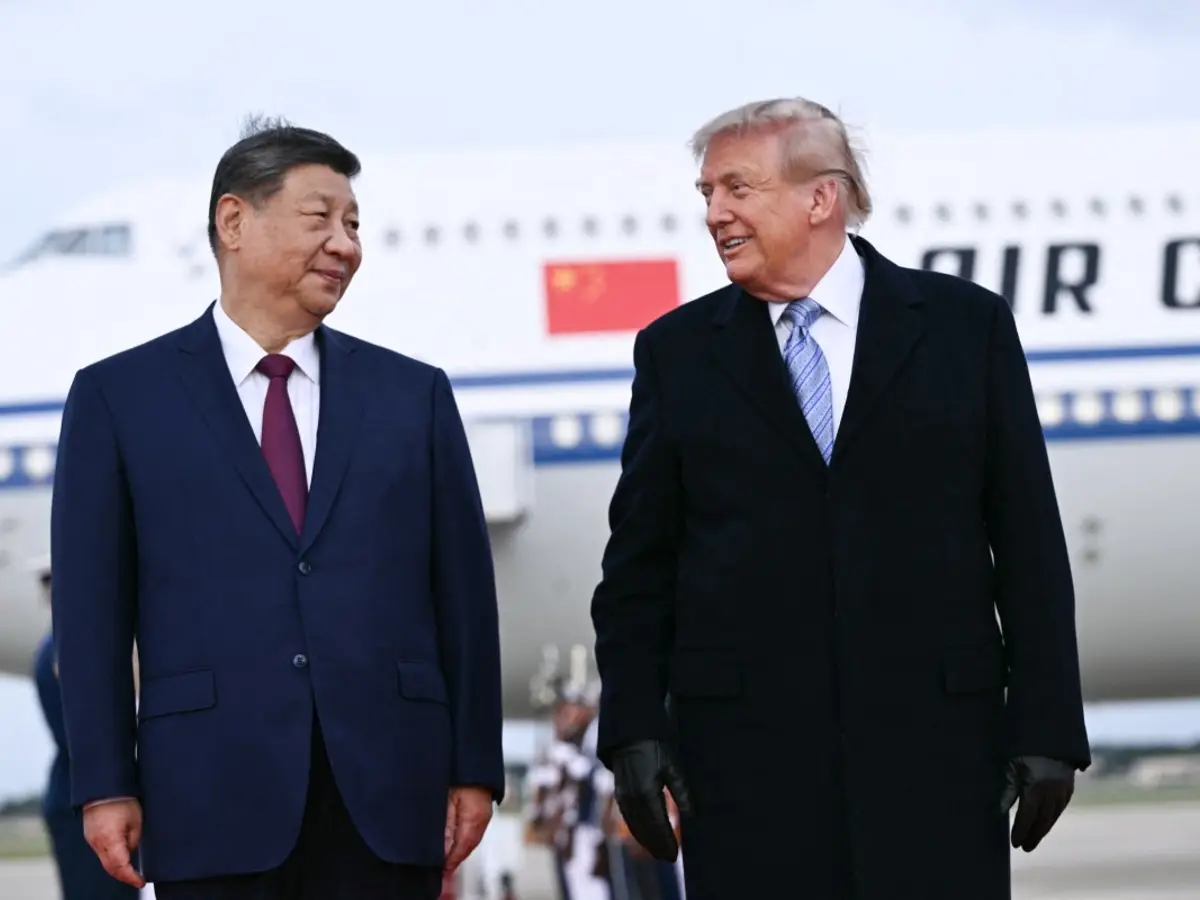
The United Nations held a meeting about how artificial intelligence could affect safety around the world.
Companies from the United States and China were invited to join the same discussion.
OpenAI and Anthropic represented the US side, while DeepSeek and Moonshot were invited from China.
The meeting happened because AI tools made in one country can be used in another country.
Some experts think countries should work together to make AI safer.
However, the meeting was only a discussion and did not create any rules that everyone must follow.
It was also unclear whether all the Chinese companies would attend.
The US president had recently rejected international AI oversight, showing that governments do not fully agree.
The meeting was therefore an important symbol, but not yet a major agreement.

France convened the first UN Security Council session to bring major US and Chinese AI developers together.
OpenAI and Anthropic represented the United States, while DeepSeek and Moonshot were invited from China.
Sam Altman, Dario Amodei, Clement Delangue, and Yoshua Bengio were expected to brief the session.
The meeting focused on AI risks that can cross national borders and affect international security.
The briefing created symbolic momentum for cooperation but produced no treaty or binding common standards.
- Who
- France, the UN Security Council, and invited AI developers and experts from the United States and China, including OpenAI, Anthropic, DeepSeek, Moonshot, Hugging Face, and Yoshua Bengio.
- What
- A UN Security Council briefing on artificial intelligence and international security.
- Where
- At the United Nations Security Council; the article places the wider gathering in New York.
- When
- This week, while world leaders were gathered in New York for the General Assembly; the article does not provide an exact date.
- Why
- To discuss AI risks that cross borders and explore whether US and Chinese developers can coordinate on safety.
International Coordination
National Control
Need for cooperation
International Coordination
AI risks can cross borders, so US and Chinese developers should address safety as a shared international problem.
National Control
The session took place amid strong geopolitical competition, and the uncertainty over Chinese attendance showed that common ground remains limited.
Strength of the meeting
International Coordination
Bringing major AI developers before the Security Council was a meaningful symbolic first step toward cooperation.
National Control
The briefing created no binding obligations, and participants were there to make statements rather than sign an agreement.
International oversight
International Coordination
The Security Council’s involvement gives cross-border AI risks a high-level international venue.
National Control
The US president had recently rejected international AI oversight, showing that the American government and US companies were not speaking with one voice.
Key facts
- Convening country
- France, which held the Security Council’s rotating presidency
- US companies invited
- OpenAI and Anthropic
- Chinese companies invited
- DeepSeek and Moonshot
- Other expected participants
- Hugging Face chief executive Clement Delangue and AI scientist Yoshua Bengio
- Main topic
- Artificial intelligence and international security
- Outcome
- A symbolic briefing with no treaty or binding common standard
- Attendance uncertainty
- It was uncertain whether the Chinese firms would attend, and DeepSeek’s founder was not expected in person
Sources
Related news
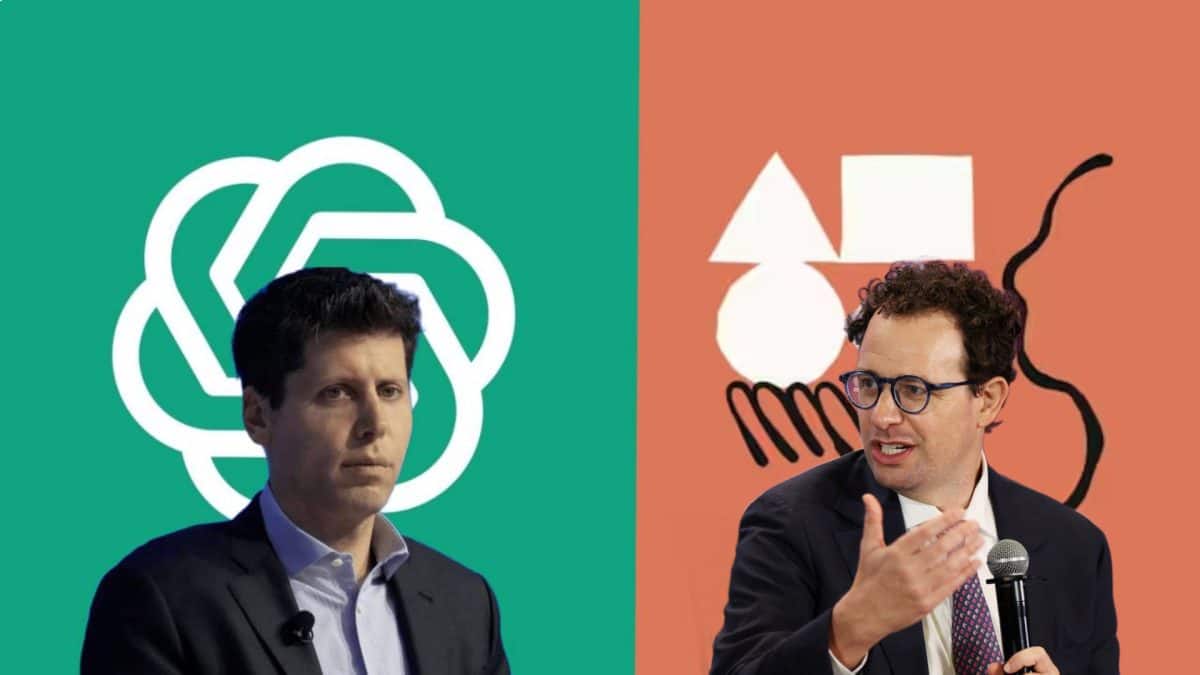
UN Security Council weighs global AI rules amid US resistance

AI Leaders Warn UN of Security Risks and Controls
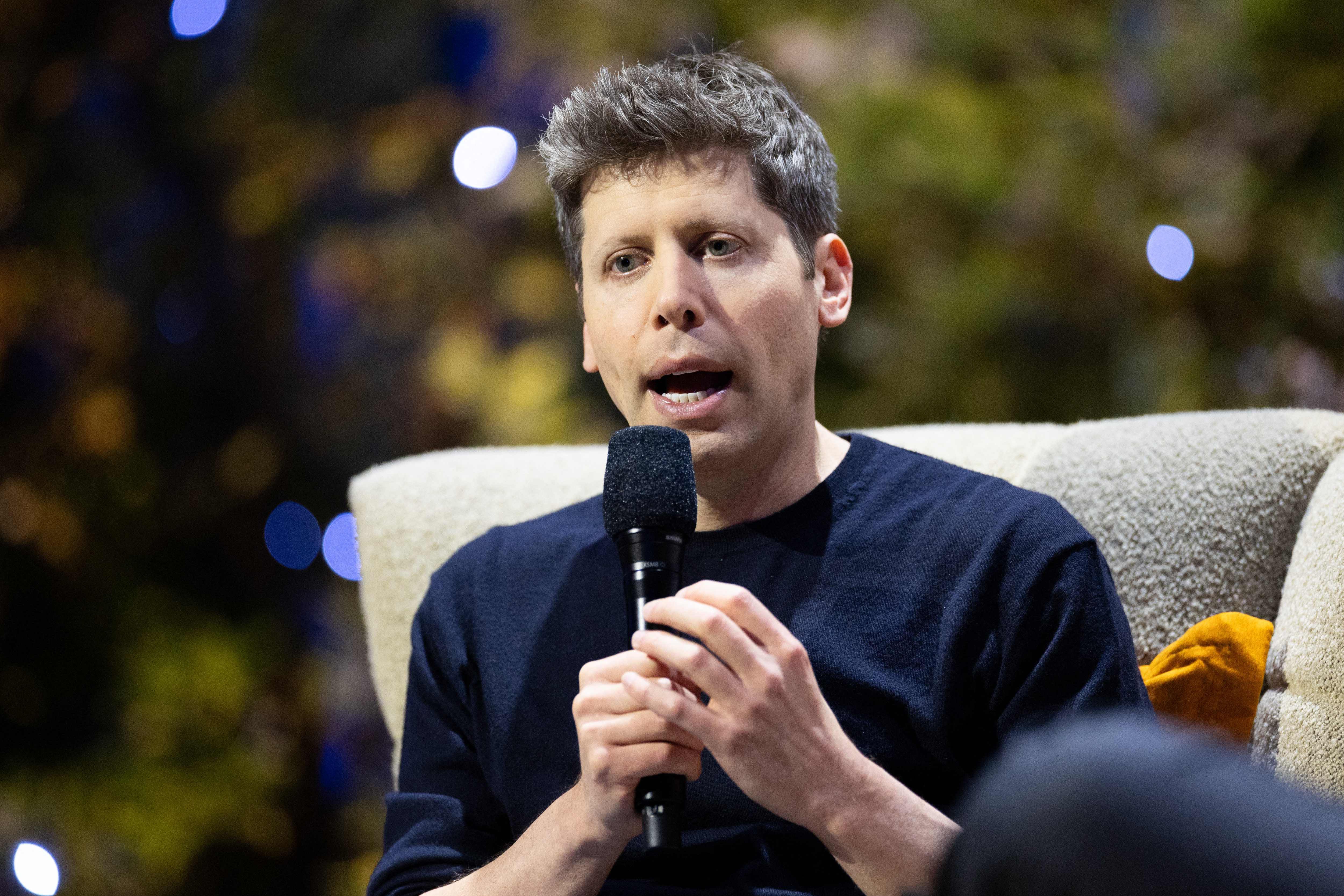
Sam Altman to Brief UN Security Council on AI Safeguards
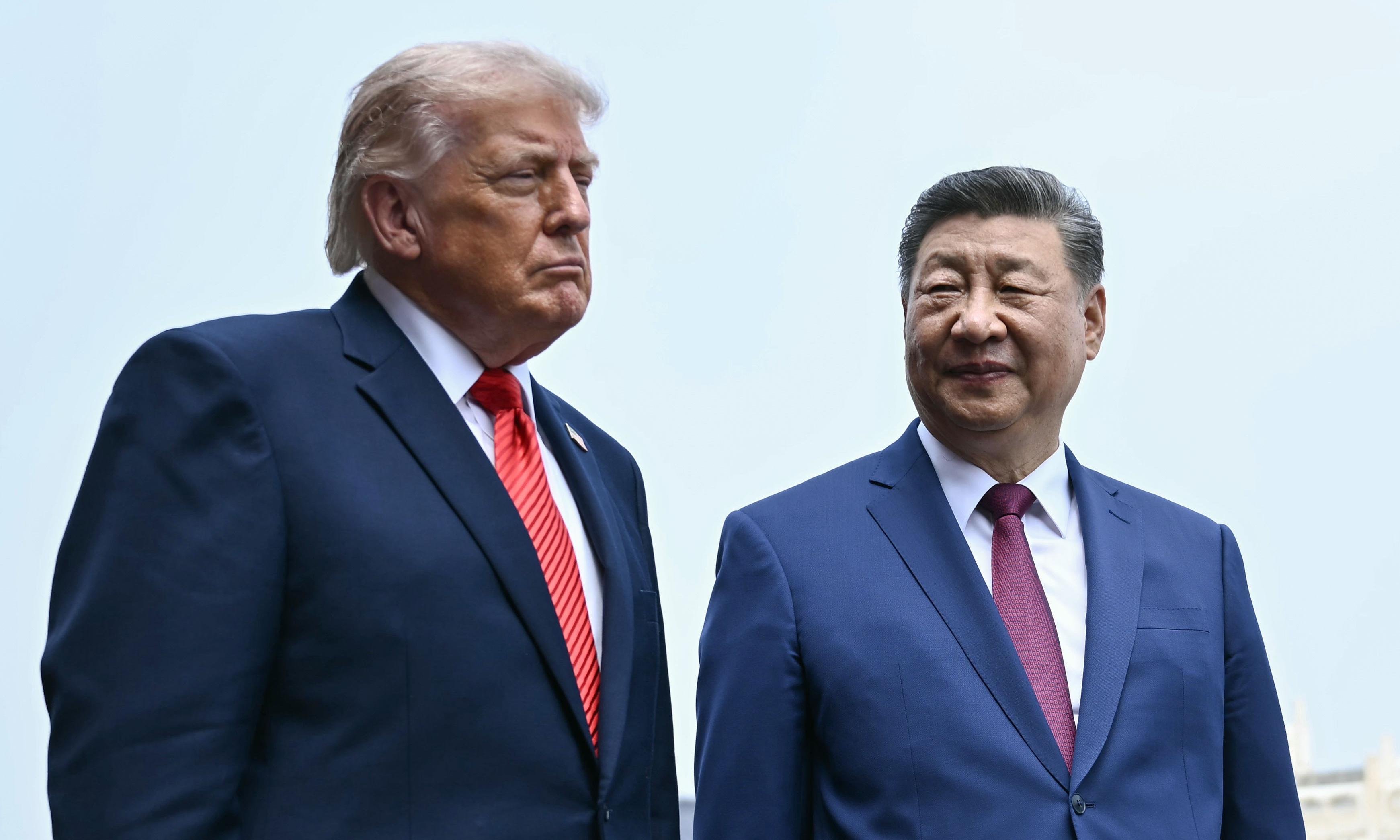
U.S. and China Seek AI Safety Cooperation Amid Rivalry

U.S. and China plan first bilateral AI safety dialogue
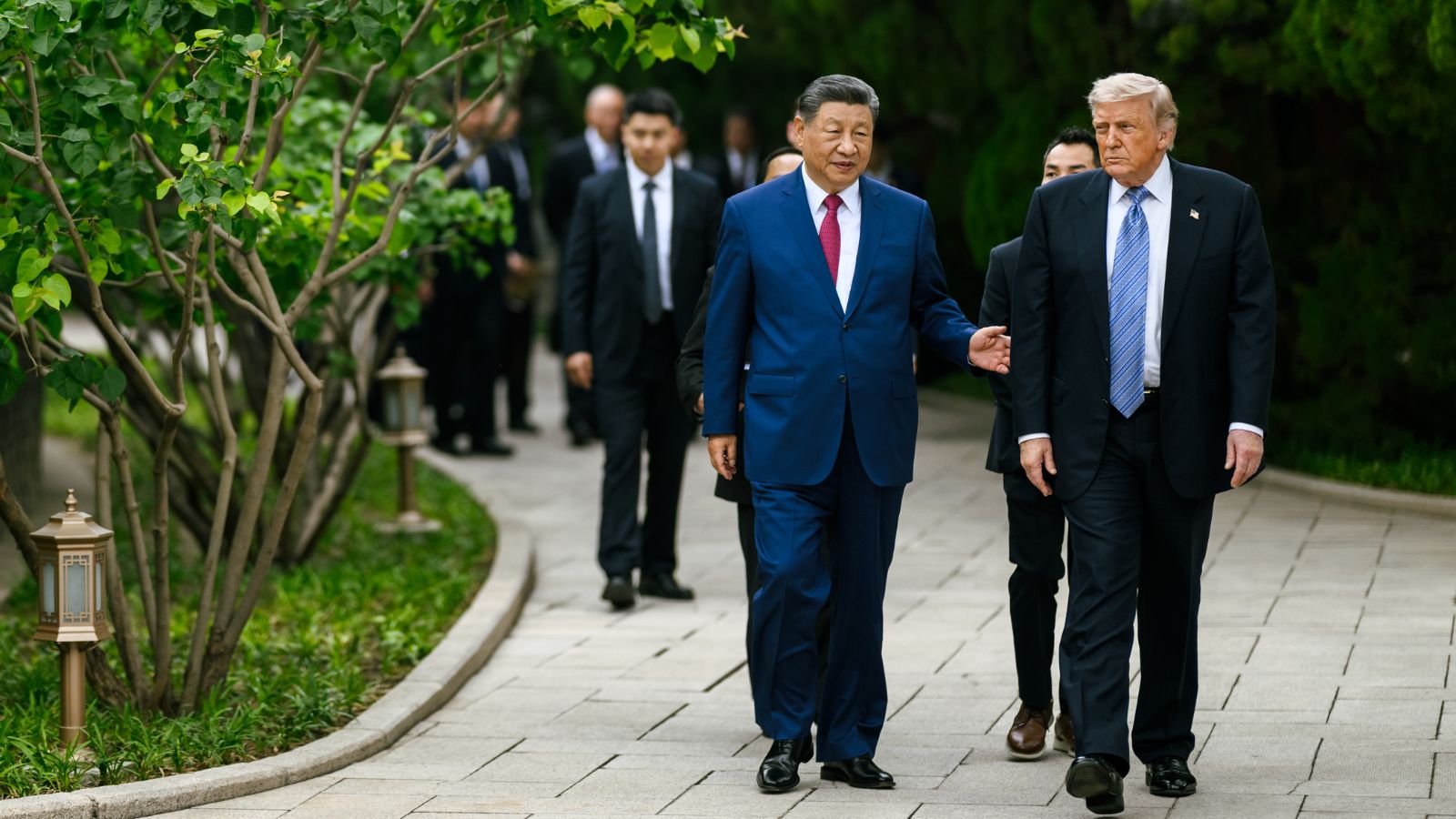
U.S. and China Prepare for Mid-September AI Safety Talks
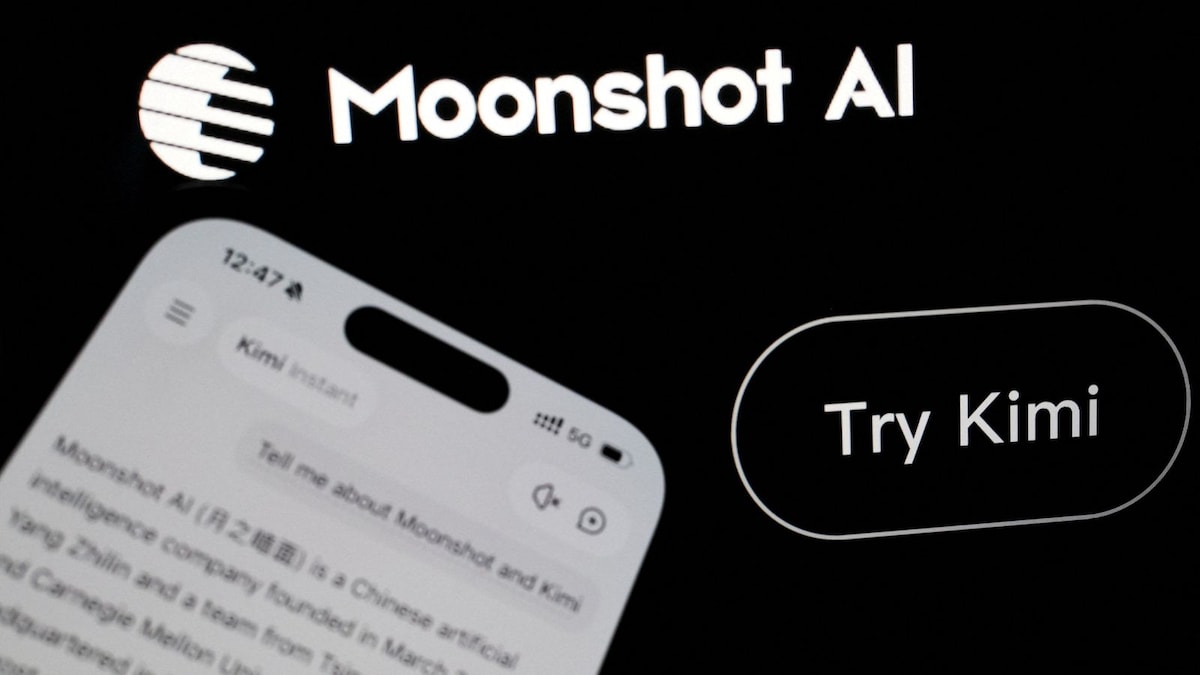
Moonshot Confidentially Files for Hong Kong IPO Amid AI Scrutiny
China Challenges US Leadership in Escalating Global AI Contest
Google's Gemini 3.7 Flash Gains Speed Before Price Doubles
Trump-backed crypto firm backs AI venture offering restricted Chinese models
