

Archive · 22 Aug 2026
Jadavpur University Violence Exposes a Crisis of Campus Pluralism
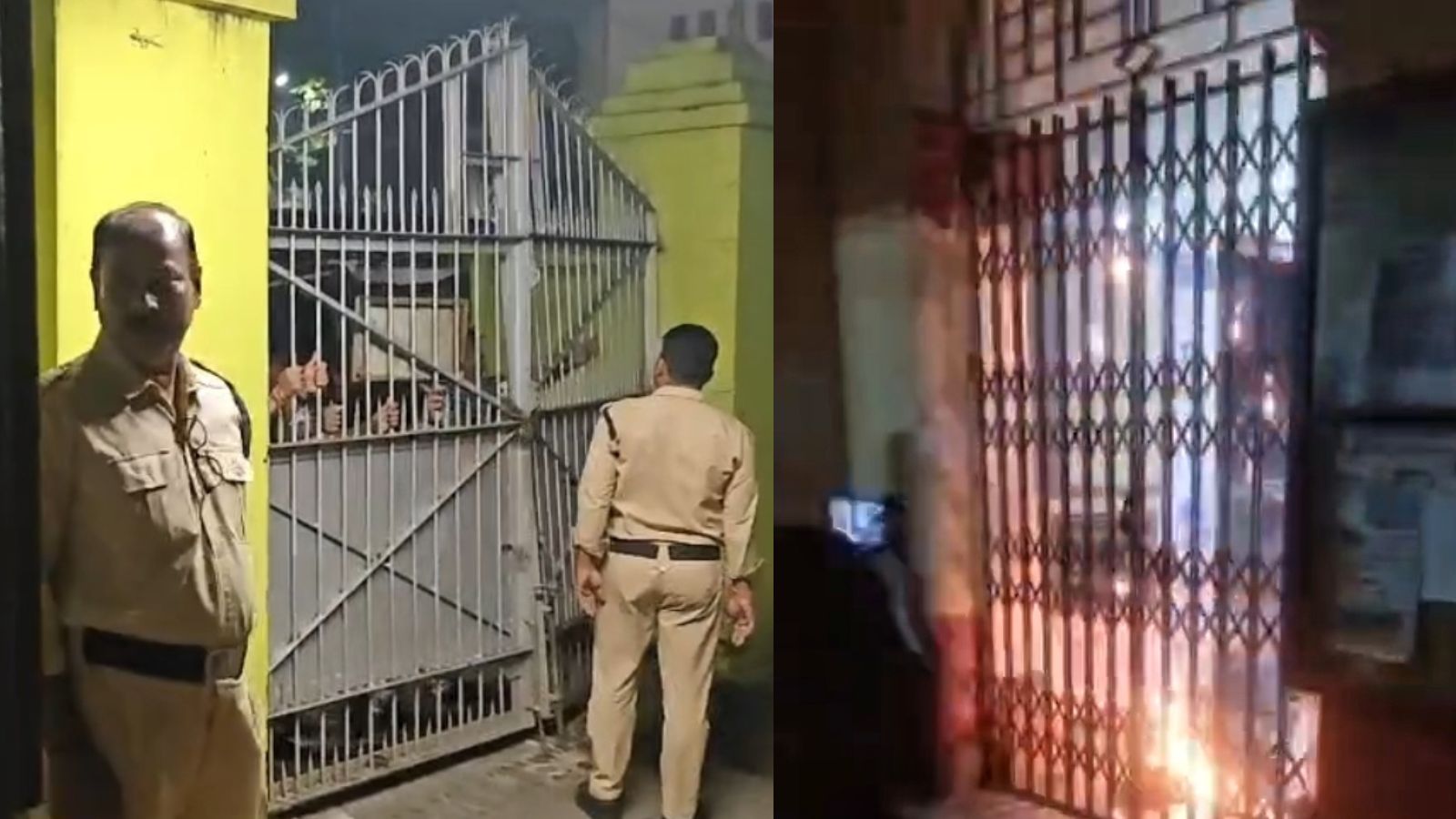
Jadavpur University experienced serious violence this week.
The article says this is not only a problem of physical fighting.
It also begins when people stop respecting others and treat political opponents as enemies.
Universities are supposed to be places where people can disagree and exchange ideas.
Protesting and criticizing leaders can be part of democracy.
Hitting people, threatening them, or damaging property is not democratic protest.
The article says both the Left and Right have failed to show enough civility.
It argues that the government should protect safety while allowing universities to remain open to debate.
The main lesson is that ideas should be answered with other ideas, not force.

Violence at Jadavpur University is presented as part of a broader pattern in West Bengal’s political culture.
The article argues that violence begins with denying opponents dignity and refusing to recognize legitimate disagreement.
Political commitments are not the problem; ideological intransigence and coercive attempts to silence opponents are.
Assaults, vandalism, threats, and mob coercion are described as repudiations of democratic politics, regardless of perpetrators’ political affiliations.
The government must maintain law and order while universities preserve debate, dissent, and pluralism without becoming heavily policed spaces.
- Who
- Students, staff, visitors, university administrations, political organisations, and the West Bengal government are involved in the broader dispute over campus violence and dissent.
- What
- Violence at Jadavpur University has prompted criticism of political coercion, ideological intolerance, and the erosion of campus pluralism.
- When
- The latest violence occurred this week; the article also places it within a longer history of conflict at Jadavpur University.
- Where
- Jadavpur University in Kolkata, West Bengal.
- Why
- The article attributes the crisis to a refusal to recognize opponents’ legitimacy, wider political violence in West Bengal, and the use of threats or force instead of debate.
Pluralist and Democratic Approach
Coercive and Exclusionary Approach
Handling disagreement
Pluralist and Democratic Approach
Political disagreement should be addressed through protest, criticism, persuasion, debate, and counterarguments.
Coercive and Exclusionary Approach
Opponents are reduced to labels such as “Maoist,” “traitor,” “fascist,” or “anti-national,” making exclusion and coercion appear justified.
Limits of protest
Pluralist and Democratic Approach
Demonstrations and even prolonged, inconvenient dissent can be legitimate when they remain nonviolent.
Coercive and Exclusionary Approach
Personal degradation, threats, assaults, vandalism, and mob coercion turn protest into a rejection of democratic politics.
Role of the state
Pluralist and Democratic Approach
The government should protect campus safety and respect universities as places for dissent and inconvenient perspectives.
Coercive and Exclusionary Approach
Treating universities as threats or responding primarily through heavy policing can undermine their academic and democratic purpose.
- Latest incident
- Violence convulsed Jadavpur University this week.
- Historical context
- The university has intermittently been a violent political space since near its inception, with particularly intense conflict during the Naxalite years.
- Central criticism
- The article identifies ideological intransigence and the denial of opponents’ dignity as deeper causes of violence.
- Condemned conduct
- Assaults, property destruction, threats, intimidation, and mob coercion are rejected as undemocratic.
- Government role
- The state is responsible for maintaining law and order, while the university should not be expected to replace government security agencies.
- Proposed democratic response
- Offensive ideas should be challenged through criticism, debate, organizing, and counterarguments when they do not break the law.