

Archive · 27 Dec 2025
Winter Increases Risk of Dry Eye, Blepharitis, and UV Damage
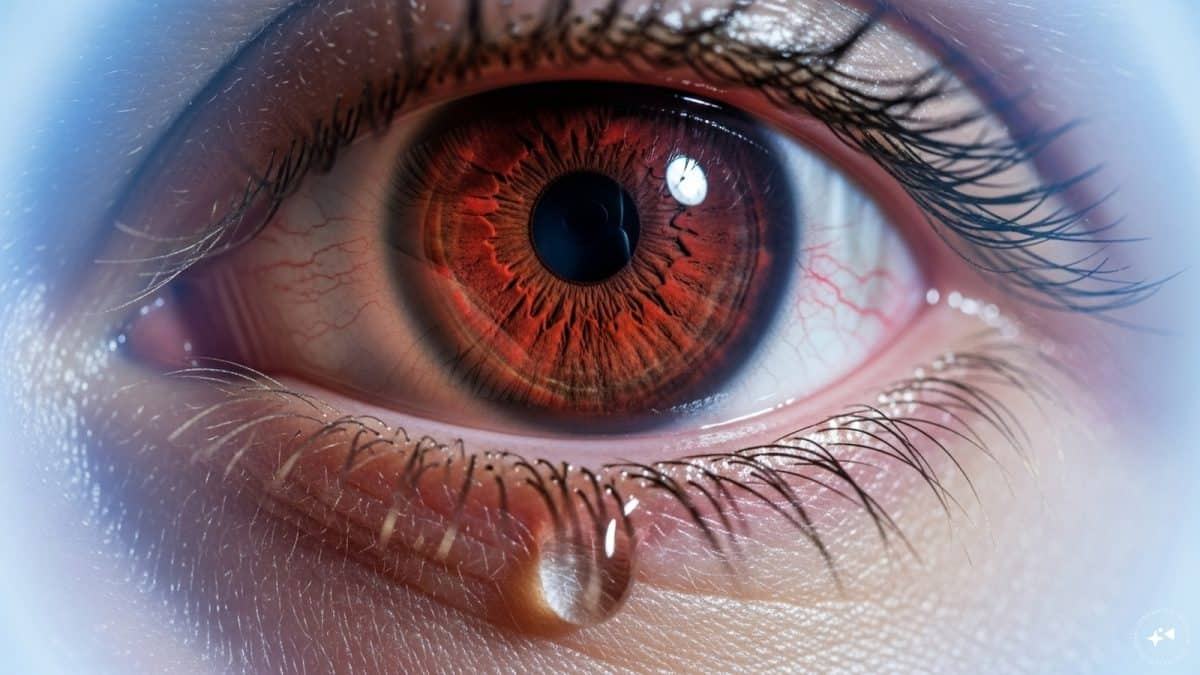
Winter can make your eyes feel dry, gritty, or irritated.
This happens because the air is drier, winds are colder, and we use more indoor heating.
We also spend more time looking at screens, which can make our eyes feel even drier.
Doctors say that dry-eye symptoms can get worse by up to 40% in winter.
There are also other problems like blepharitis, which is when the oil glands in your eyelids get inflamed.
Snow glare can also reflect a lot of UV radiation, which can hurt your eyes.
To keep your eyes healthy in winter, doctors recommend drinking enough water, taking breaks from screens, and using special eye drops or ointments at night.
They also suggest wearing polarized lenses to protect your eyes from UV radiation.

Dry-eye symptoms can worsen by up to 40% in winter due to low humidity, cold winds, and increased screen exposure.
Blepharitis, an inflammation of the oil glands in the eyelids, is common in winter and can be treated with hypochlorous acid-based lid hygiene.
Snow glare can reflect up to 80% of UV radiation, causing photokeratitis, and polarized lenses help reduce glare and eye strain.
Thicker gel drops or ointments are recommended for night time lubrication to heal the ocular surface.
Proper hydration, limiting screen time, and wearing UV-protective eyewear are essential for maintaining eye health in winter.
- Who
- People of all age groups, especially those with dry-eye disease, blepharitis, or increased screen exposure
- What
- Increased risk of dry eye, blepharitis, and UV damage due to winter conditions
- When
- During the winter months
- Where
- In colder regions and areas with low humidity
- Why
- Due to low ambient humidity, cold winds, indoor heating, longer screen hours, and reduced hydration
- Dry-eye symptoms
- Can worsen by up to 40% in winter
- Indoor humidity
- Often drops below 20% in winter
- Digital screen time
- Reduces tear production and increases dry eye symptoms
- Blepharitis
- Inflammation of the oil glands in the eyelids, common in winter
- Hypochlorous acid
- Effective in reducing bacteria around the eyelids and treating blepharitis
- Snow glare
- Can reflect up to 80% of UV radiation, causing photokeratitis
- Polarized lenses
- Help reduce glare and eye strain from UV radiation
- Night time lubrication
- Thicker gel drops or ointments help heal the ocular surface