1 week ago
India’s Modi-ism Must Evolve Into Institution-Centered Nation-Building
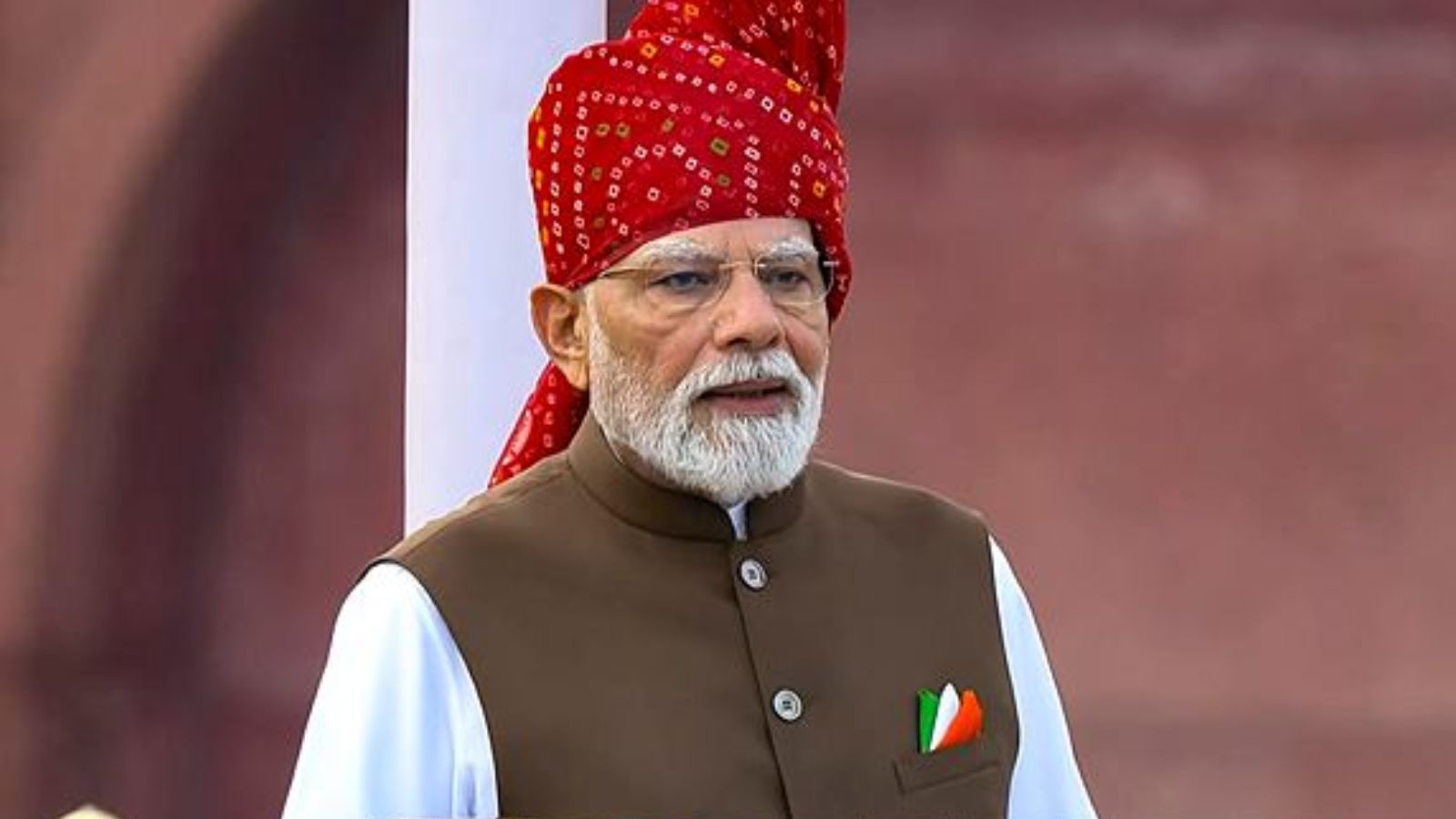
Modi-ism is the name given to Narendra Modi’s style of leading India.
It emphasizes a strong leader, quick decisions, national pride, technology and large development projects.
Supporters say this approach has improved welfare delivery, infrastructure and the government’s ability to reach people.
In the 2024 election, the BJP remained the largest party but needed its allies to form the government.
The article says this showed support for continuity while also emphasizing consultation and limits on power.
Critics worry that institutions, minority confidence and democratic debate could become weaker.
The author says India’s Constitution has not been dismantled, but institutions can still lose independence without their legal wording changing.
Welfare programs should give people enforceable rights and ways to appeal when systems fail.
The article argues that Modi-ism should keep its productive energy while becoming more institution-centered.

Modi-ism has strengthened the BJP through centralized leadership, national confidence, welfare delivery and infrastructure development.
The BJP won 240 seats in 2024 and needed NDA partners, qualifying rather than rejecting Narendra Modi’s mandate.
The article credits Modi-era programs with expanding state delivery while warning that welfare should remain a legal right, not a leader’s personal gift.
Concerns include weakened parliamentary scrutiny, institutional independence, pluralism and the treatment of minorities, though constitutional institutions remain active.
The proposed path is strong leadership restrained by stronger institutions, with greater parliamentary oversight, federal consultation and internal BJP succession planning.
- Who
- Narendra Modi, the Bharatiya Janata Party, its National Democratic Alliance partners and India’s constitutional institutions are central to the discussion.
- What
- The article argues that Modi-ism should retain decisive leadership and development priorities but become more accountable to institutions, rights and constitutional limits.
- Where
- India.
- When
- The discussion assesses the Modi era, including the 2024 general election, parliamentary records from 2019 to 2023 and a Supreme Court decision in November 2024.
- Why
- The proposed evolution is intended to preserve effective governance while strengthening parliamentary scrutiny, institutional independence, pluralism, equal citizenship and rights-based welfare.
Critics’ concerns
Supporters’ defense
Leadership and constitutional limits
Critics’ concerns
Critics allege that centralized Modi-era power could weaken pluralism, institutions and constitutional restraints.
Supporters’ defense
Supporters view strong leadership, decisive government and national confidence as necessary to overcome delay and fragmented authority.
Welfare and citizenship
Critics’ concerns
Critics argue that presenting benefits as personal gifts from the leader can reduce citizens from rights-holders to grateful beneficiaries.
Supporters’ defense
Supporters point to infrastructure, digital platforms, direct transfers, housing, sanitation and other programs as evidence of improved state capacity and delivery.
Cultural nationalism and pluralism
Critics’ concerns
Critics warn that majoritarian mobilization and inflammatory language can make minorities feel conditionally accepted.
Supporters’ defense
Supporters reject claims that the constitutional order has been dismantled and describe the Modi era as a legitimate expression of India’s cultural resurgence.
Key facts
- 2024 BJP result
- The BJP won 240 seats and required its NDA partners to form the government.
- Multidimensional poverty
- NITI Aayog estimated multidimensional poverty at 11.28% in 2022-23, compared with 29.17% in 2013-14.
- Bills passed quickly
- During the seventeenth Lok Sabha, 58% of bills were passed within two weeks of introduction.
- Parliamentary committees
- Only 16% of bills were referred to parliamentary committees during the seventeenth Lok Sabha.
- Budget scrutiny
- Around 80% of the Union Budget was voted without discussion on average between 2019 and 2023.
- Electoral bonds
- The Supreme Court struck down the electoral bond scheme, finding that secrecy in political funding had crossed a constitutional boundary.
- Constitutional status
- In November 2024, the Supreme Court rejected petitions challenging the inclusion of “socialist” and “secular” in the Preamble.
Sources
Related news

Democracy needs humility, institutional accountability as 'Quit BJP' resurfaces

Democracy's Soul Depends on Institutions, Not Ballots Alone, Essay Argues

Mehbooba Mufti Asks Centre to Reflect on India's Constitutional Vision

BJP Leader Sanjay Tandon Warns Against Parliamentary Disruptions
New political mood takes shape in India amid calls for accountability
Ayodhya Temple CEO Appointment Faces Opposition Donation Allegations
Telangana BJP Alleges Congress, BRS Avoid Hyderabad Liberation Day
Haryana sanitation workers’ strike puts BJP government under pressure

Rival NC-BJP Protests Roil J&K as Police Halt Marches
Shivakumar Calls BJP Padayatra Cover-Up for Internal Crisis