Archive · 2 Jan 2026
Aravalli Hills: Environmental Sacrifice for Development
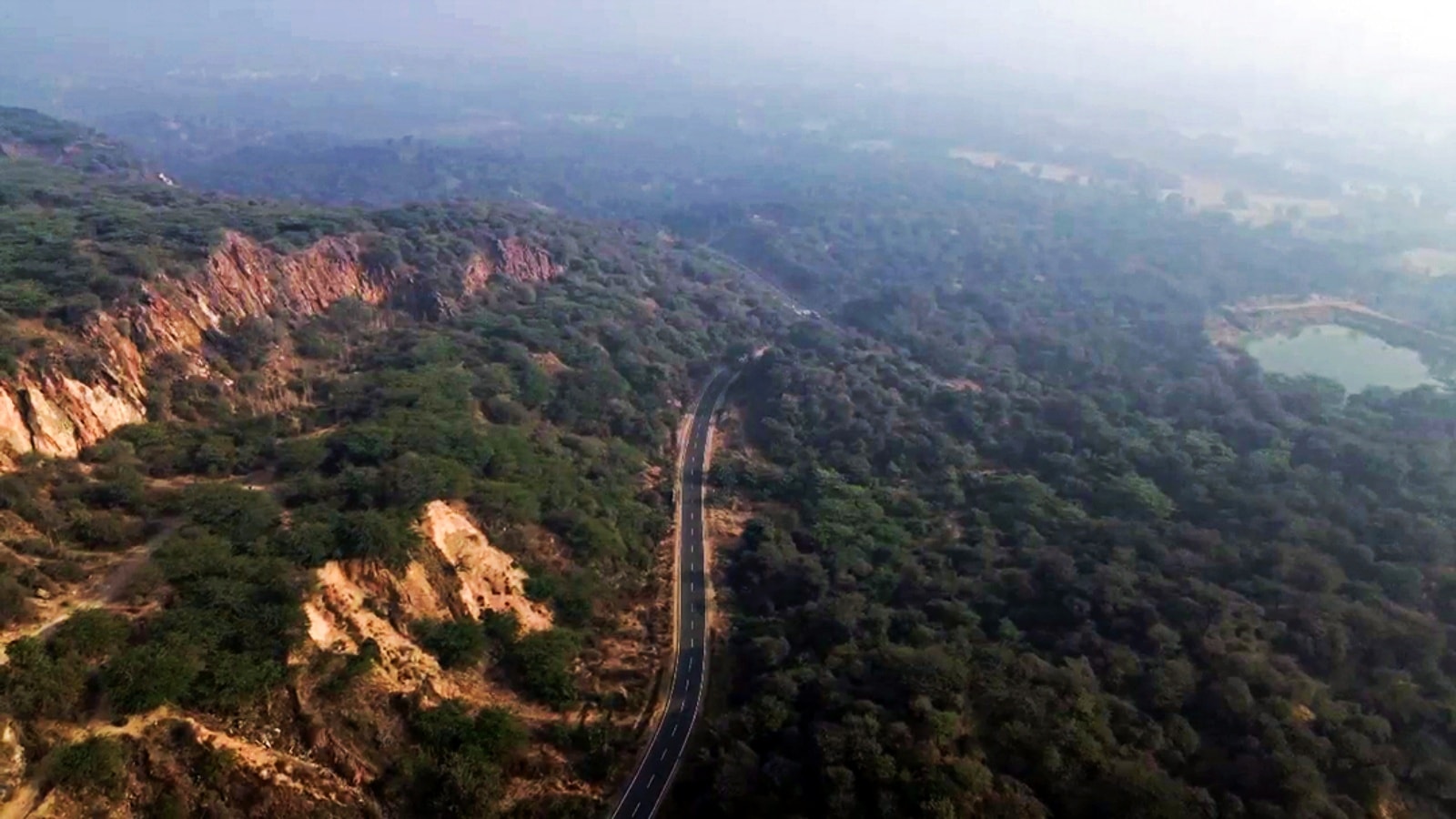
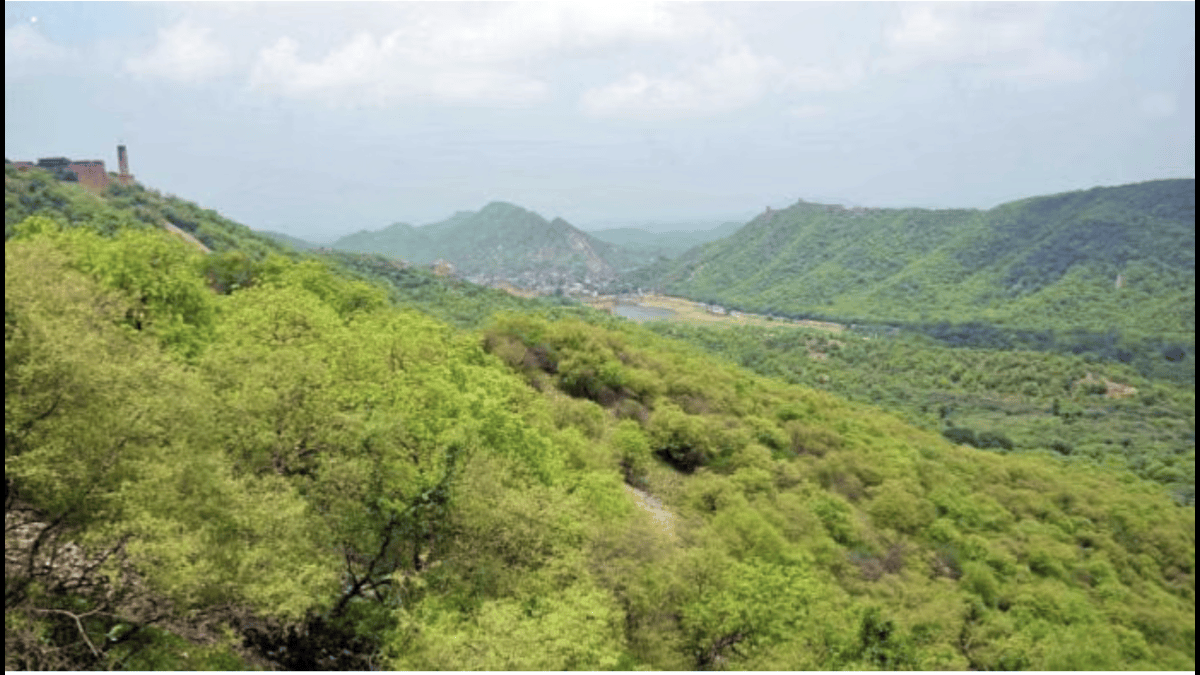
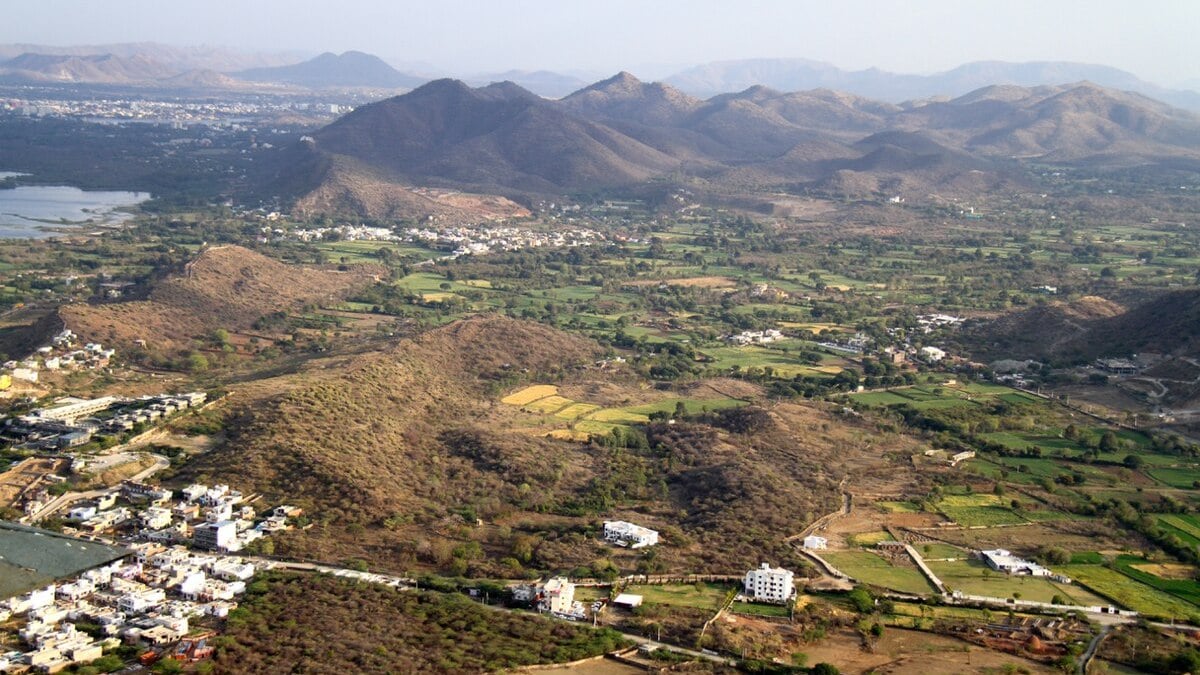
The Aravalli Hills, one of India's oldest mountain ranges, have been slowly destroyed over the past few decades.
This happened because the land was seen as valuable for mining, construction, and real estate.
The government and private companies made it possible to use this land for these projects, even though it harmed the environment.
The hills help with things like groundwater and climate control, but these benefits were ignored.
Now, the area is facing problems like low groundwater levels, heat, and bad air quality.
The government and courts have tried to stop some of the damage, but it has been hard to enforce the rules.
This shows that development was prioritized over protecting the environment, and the consequences are now affecting the quality of life in the region.

The Aravalli Hills have been destroyed over the last three decades due to economic development priorities.
Land in the Aravalli range was reclassified and used for mining, construction, and real estate projects.
The government and private companies facilitated this destruction, bending environmental laws to favor economic interests.
The degradation of the Aravalli Hills has led to environmental issues like collapsing groundwater levels and poor air quality.
Judicial interventions have acknowledged the damage but enforcement has been uneven and delayed.
- Who
- Government, private developers, mining operators, infrastructure projects, citizens
- What
- Environmental degradation of the Aravalli Hills due to economic development
- When
- Over the last three decades, with significant changes from the early 1990s
- Where
- Across the Aravalli range in western and northern India, particularly in Rajasthan and Haryana
- Why
- Economic priorities and power structures that prioritized development over environmental protection
- Aravalli Hills
- Ancient mountain range in western and northern India, predating the Himalayas
- Ecological Functions
- Absorb dust and heat, replenish groundwater, moderate climate, prevent desert expansion
- Economic Priorities
- Land viewed as economic potential leading to mining, construction, and real estate projects
- Governance Transformation
- State facilitating private accumulation over guarding public goods
- Environmental Costs
- Collapsing groundwater levels, intensifying heat, dust storms, unlivable air
- Political Convenience
- Targeting symptoms rather than causes of environmental degradation
- Judicial Interventions
- Periodic acknowledgment of illegal activities but uneven enforcement
- Development Model
- Nature treated as raw material, restraint seen as an obstacle