

4 days ago
Punjab Reviews Anti-Sacrilege Law Through Akal Takht Talks

Punjab has a law meant to protect Guru Granth Sahib from sacrilege.
The state government is considering changes to some parts of this law.
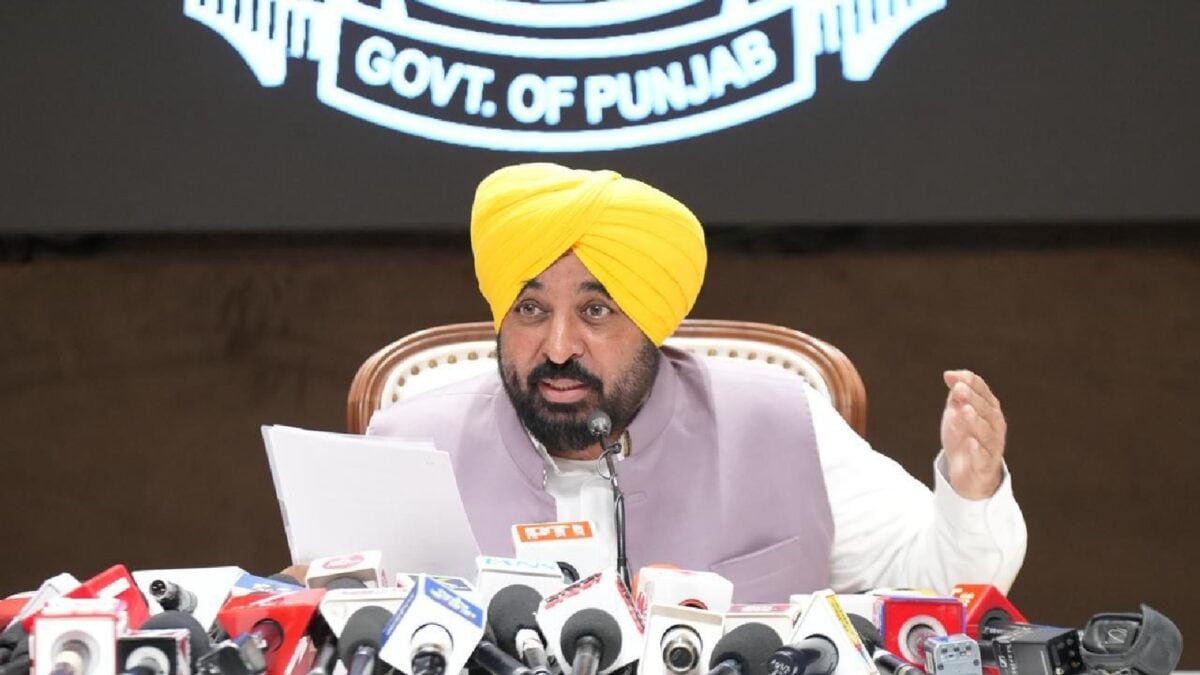
Chief Minister Bhagwant Mann met a seven-member committee about the changes.
He said people who commit sacrilege should still face life imprisonment and heavy fines.
He asked the committee to speak regularly with a panel created by the Akal Takht.
The Akal Takht had objected to some words and rules in the law.
These include Sikh terminology, the use of the word “custodian,” and numbering holy Birs.
The two groups will try to find an agreement while protecting religious sentiments and following legal rules.

Chief Minister Bhagwant Mann directed a seven-member committee to consult regularly with an Akal Takht-appointed panel on proposed amendments.
Mann said life imprisonment and heavy fines for sacrilege must remain central provisions of the law.
The consultations will examine legal, constitutional and other concerns while seeking consensus and protecting the sanctity of Guru Granth Sahib.
The Punjab Assembly passed the amendment bill unanimously on April 13, and the governor gave assent on April 17.
Akal Takht objections include the law’s Sikh terminology, the designation of a religious-text “custodian,” and unique numbers for holy Birs.
- Who
- Punjab Chief Minister Bhagwant Mann, a seven-member state committee, and a panel constituted by the Akal Takht.
- What
- They are reviewing proposed amendments to the Jaagat Jot Sri Guru Granth Sahib Satkar (Amendment) Act, 2026.
- Where
- At the Punjab chief minister’s residence in Chandigarh.
- When
- The meeting was reported on September 27; the bill passed on April 13 and received assent on April 17.
- Why
- The process aims to address concerns about provisions of the law while retaining strict punishment and protecting the sanctity of Guru Granth Sahib.
Punjab Government
Akal Takht Concerns
Punishment
Punjab Government
The government says life imprisonment and heavy fines are the core foundations of the law and must not be weakened.
Akal Takht Concerns
The Akal Takht’s reported objections concern other provisions of the law; it rejected the government’s earlier response as unsatisfactory.
Amendment process
Punjab Government
The government wants the two panels to consult, consider legal and constitutional issues, and reach a consensus before making necessary amendments.
Akal Takht Concerns
The Akal Takht directed the government to address its objections and formed a five-member panel to engage with the state government.
Wording and administration
Punjab Government
The government says the amended law should protect Guru Granth Sahib while respecting religious sentiments and legal principles.
Akal Takht Concerns
The Akal Takht specifically objected to Sikh terminology, the designation of a “custodian,” and assigning unique numbers to holy Birs.
Key facts
- Law
- Jaagat Jot Sri Guru Granth Sahib Satkar (Amendment) Act, 2026
- Chief minister
- Bhagwant Mann
- Government committee
- Seven members, including religious representatives, intellectuals and legal experts
- Core penalties
- Life imprisonment and heavy fines for sacrilege
- Assembly passage
- The Punjab Assembly unanimously passed the bill on April 13
- Governor’s assent
- Assent was granted on April 17
- Akal Takht objections
- Sikh terminology, the religious text’s “custodian,” and unique numbers for holy Birs
Quotes

Bhagwant Singh Mann
Chief Minister of Punjab
“The spirit and core objective of the law must not be compromised while discussing its provisions with the panel constituted by the Akal Takht. The provisions prescribing life imprisonment and heavy fines for perpetrators of sacrilege constitute the core foundation of this law. Therefore, the law must not be weakened at any cost.”
 livemint.com
 theprint.in
“I have asked the committee members to hold meetings with the panel constituted by the Akal Takht Sahib so that, through mutual consultation and consensus, necessary amendments to the law can be initiated, if required. Our government will approach this entire process with utmost respect and sensitivity.”
theprint.in
Sources
Related news
Punjab Panel To Discuss Akal Takht Sacrilege Law Suggestions

Punjab Forms Seven-Member Panel on Guru Granth Sahib Act

Akal Takht Expels Chawla From Khalsa Panth Over Rape Case

Punjab Delegation Seeks SIT Probe Into Former SGPC Member

SGPC Suspends Akal Takht Granthi, Driver Over Alleged Immoral Case
Punjab Conversion Claims Prompt Debate Over Faith, Drugs, Discrimination

Four Arrested in Gurdaspur With Seven High-End Pistols

Congress Set to Replace Warring as Punjab Chief

Donor Heart Reaches Noida in 16-Minute Green Corridor

Possible Warring Replacement Sparks District-Level Tensions in Punjab Congress