1 week ago
BJP’s Vande Mataram Push Draws Criticism Over Nationalism Politics
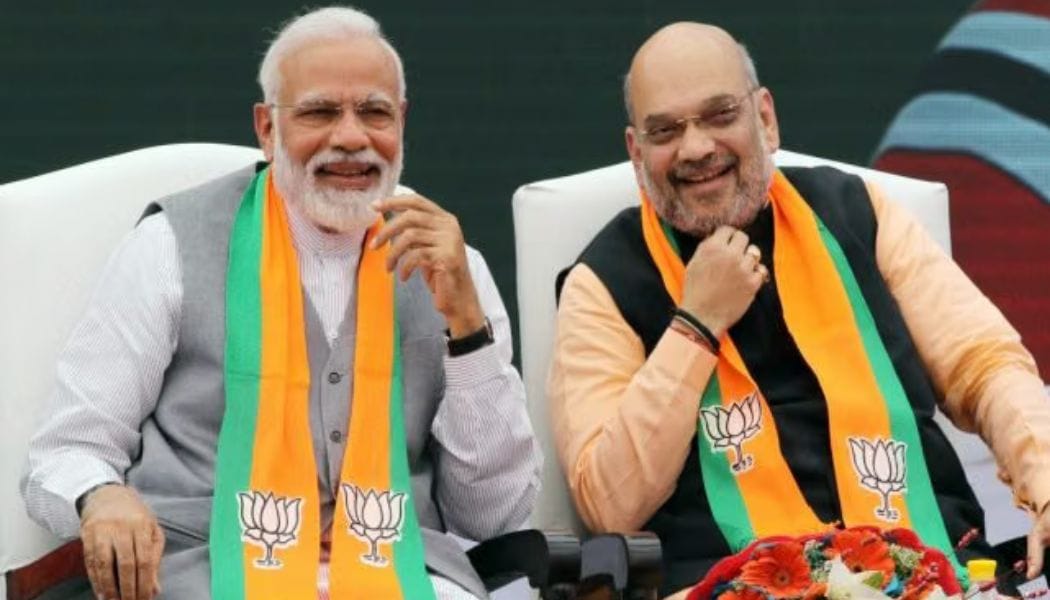
Vande Mataram is India’s national song.
India has traditionally used its first two stanzas at official events.
The Home Ministry recently encouraged singing all six stanzas.
Some Congress leaders followed this instruction, while Kerala’s government left the song out of an official ceremony.
The BJP criticized Congress for not supporting all six stanzas.
The article says the BJP is using the song to make a political argument about patriotism and religion.
It also says politicians should pay more attention to rising prices, jobs and people’s problems.
The writer worries that requiring the full song in every school could cause disagreements.
The article’s overall view is that nationalism should not replace good governance.

The Congress appeared divided after some leaders sang beyond Vande Mataram’s traditional two stanzas.
The Home Ministry directed officials to sing all six stanzas, producing different responses in Congress-ruled states.
The BJP accused Congress of minority appeasement because later stanzas reference Hindu goddesses.
The article argues that performative nationalism distracts from inflation, vacancies, protests and governance concerns.
It warns that making six-stanza Vande Mataram mandatory in schools could create social and communal tensions.
- Who
- The Bharatiya Janata Party, the Congress, the Union Home Ministry and leaders of several Congress-ruled states.
- What
- A political dispute over whether Vande Mataram should be sung in its traditional two-stanza form or in all six stanzas.
- Where
- The dispute involved New Delhi, Kerala and other Congress-ruled states in India.
- When
- The article discusses a February Home Ministry order, an Independence Day ceremony and a later BJP office-bearers’ meeting; no year is specified.
- Why
- The BJP and Home Ministry promoted the six-stanza version, while critics argued that the campaign serves performative nationalism and could distract from governance issues.
Critics of the Six-Stanza Campaign
BJP and Home Ministry Position
National song format
Critics of the Six-Stanza Campaign
The Congress Working Committee and the article’s author favor retaining the two-stanza version adopted by the Constituent Assembly.
BJP and Home Ministry Position
The Home Ministry promoted singing all six stanzas, while the BJP criticized Congress for resisting the longer version.
Nationalism and political priorities
Critics of the Six-Stanza Campaign
The article argues that the BJP’s focus on Vande Mataram is performative nationalism that distracts from inflation, jobs, protests and governance.
BJP and Home Ministry Position
The BJP used the dispute to question Congress’s nationalism and accused it of minority appeasement.
School participation
Critics of the Six-Stanza Campaign
The article warns that making six-stanza singing mandatory in government schools, private schools, madrasas and missionary schools could create local tensions.
BJP and Home Ministry Position
The Home Ministry described school community singing and efforts to popularize the national song as programmatic recommendations.
Key facts
- Traditional version
- The Congress Working Committee decided to retain the original two-stanza version of Vande Mataram.
- Home Ministry direction
- The Ministry encouraged officials to sing all six stanzas and suggested community singing in schools.
- Kerala
- Chief Minister V.D. Satheesan omitted the national song from an official Independence Day flag-hoisting ceremony.
- Other Congress-ruled states
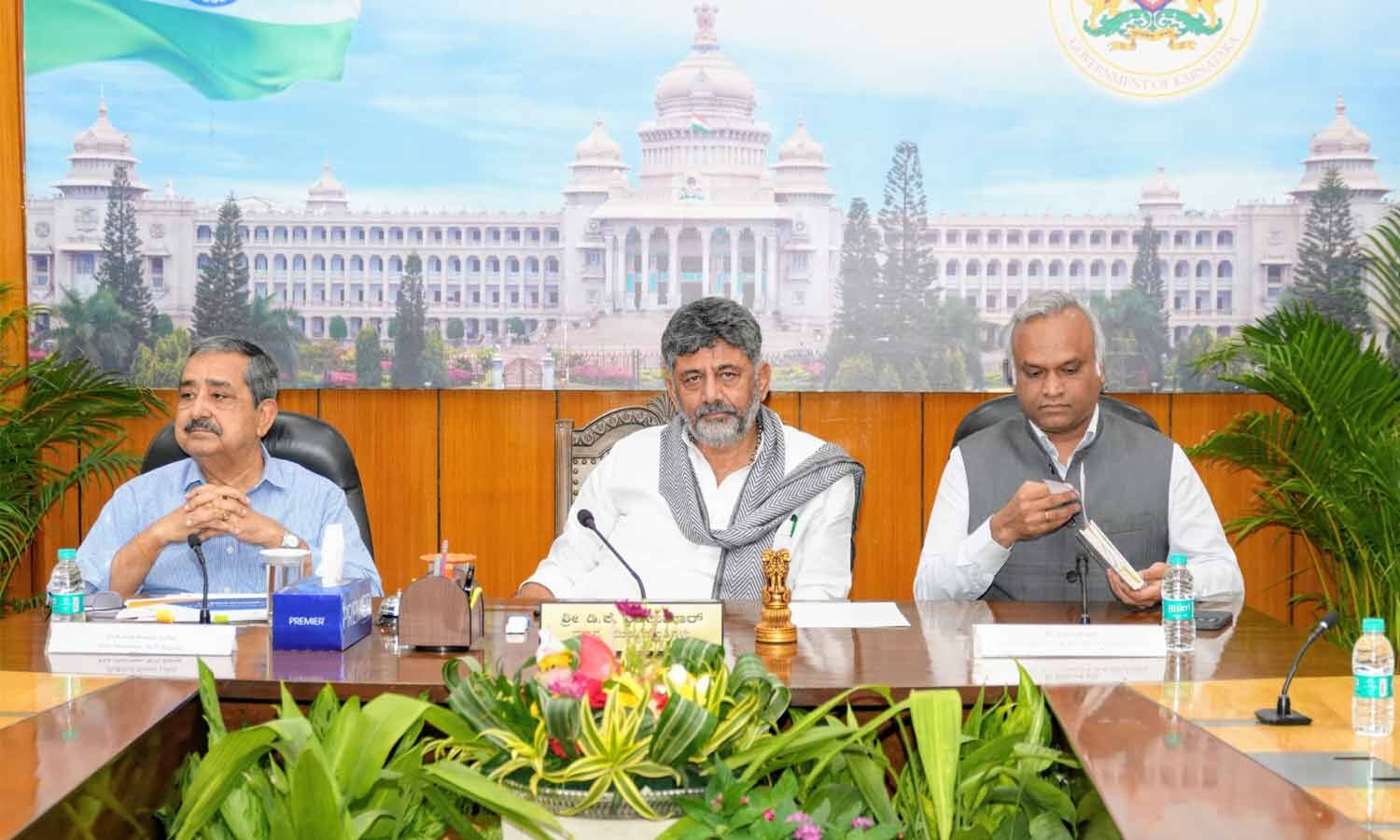
- D.K. Shivakumar, Revanth Reddy and Sukhvinder Singh Sukhu followed the instruction to sing all six stanzas.
- BJP criticism
- The BJP accused Congress of minority appeasement, citing references to Durga, Kamala and Vanee in the fifth stanza.
- Governance concerns cited
- The article highlights rising sugar prices, inflation, government vacancies and difficulties registering a police complaint.
- Author’s warning
- The article says mandatory six-stanza singing in all schools could create disputes in villages, towns and cities.
Quotes
A newsroom colleague
A colleague commenting on the Rashtrapati Bhavan announcement’s reversal.
“basically, the left arm didn’t know what the right arm was doing”
 theprint.in
Sources
Related news

Congress, BJP Clash Over Two-Stanza Vande Mataram Dispute

BJP Defends Full Vande Mataram, Condemns Congress Two-Stanza Policy
BJP Accuses Congress of Appeasement Over Vande Mataram Decision

Congress Two-Stanza Vande Mataram Policy Draws Sharp BJP Attack
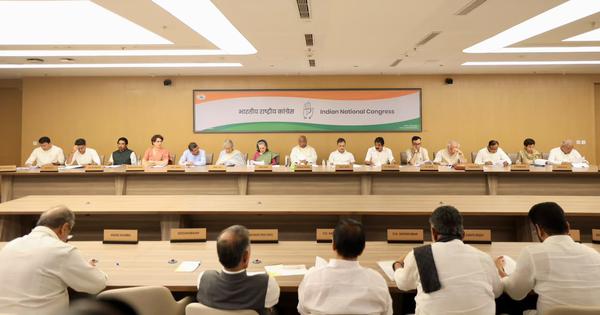
Congress Sticks to Two-Stanza Vande Mataram as BJP Attacks
Sibal Challenges Shah Over Two-Stanza Vande Mataram Criticism
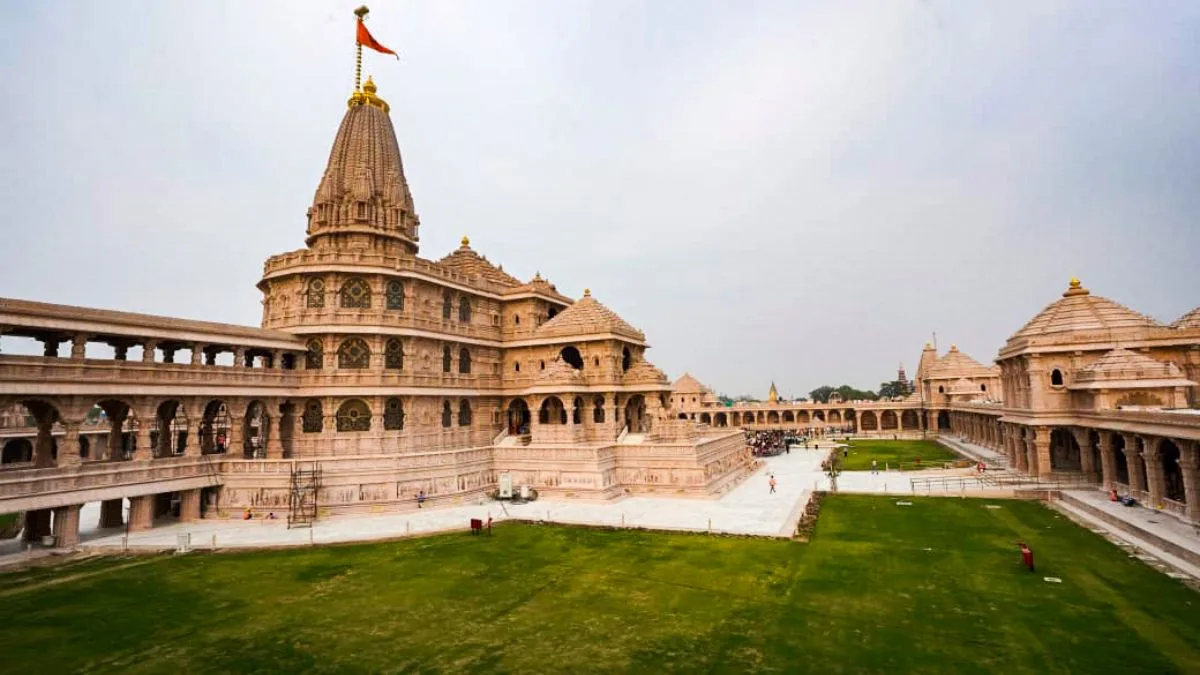
Ayodhya Temple CEO Appointment Faces Opposition Donation Allegations
Telangana BJP Alleges Congress, BRS Avoid Hyderabad Liberation Day
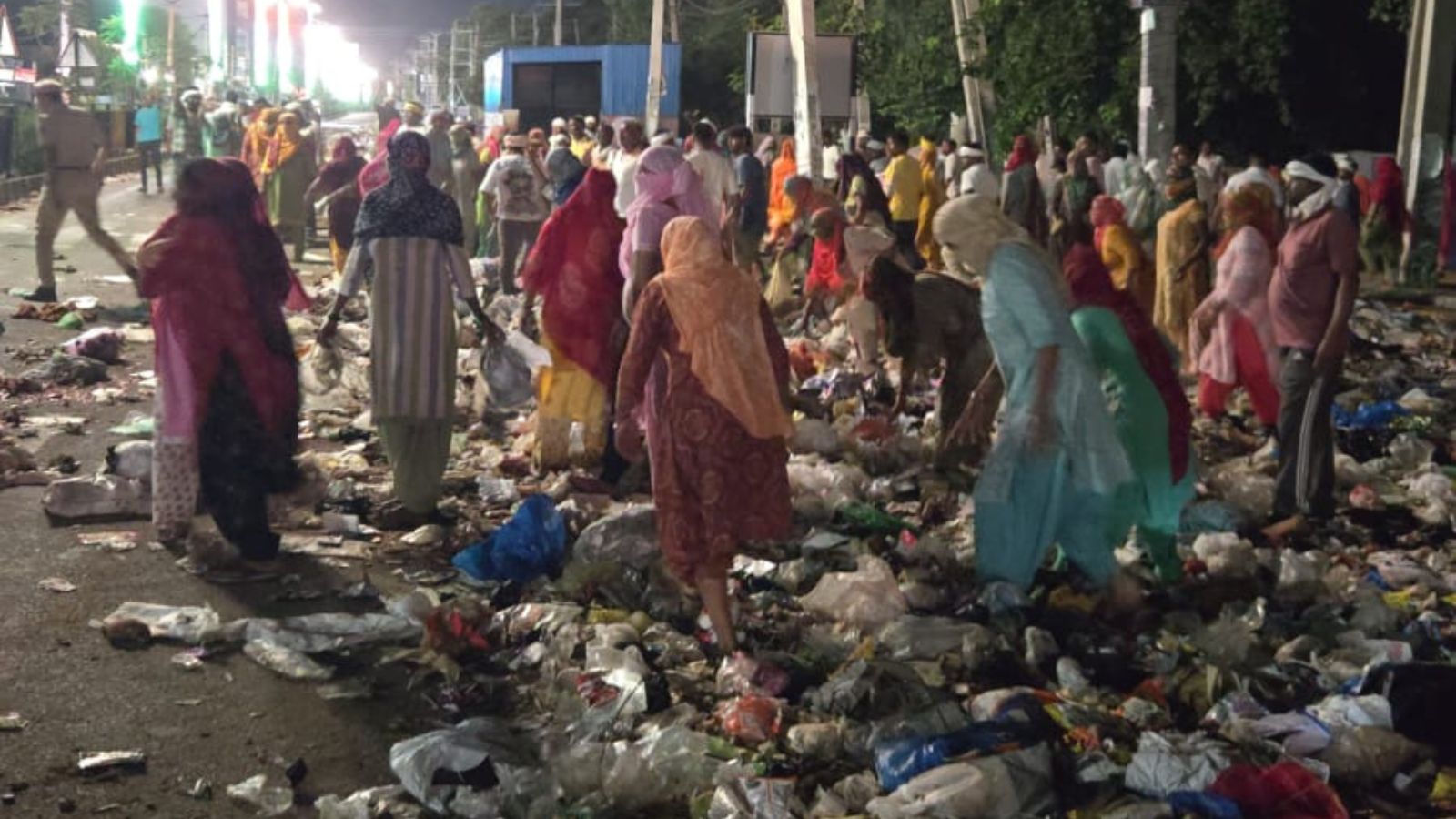
Haryana sanitation workers’ strike puts BJP government under pressure

Rival NC-BJP Protests Roil J&K as Police Halt Marches
Shivakumar Calls BJP Padayatra Cover-Up for Internal Crisis