

1 hr ago
Anthropic Report Reveals AI’s Scale and Attribution Risks
Anthropic studied several ways people may misuse its AI tools.
These included hacking, propaganda, spying, scams, biological activity and weapons research.
The report says small groups can sometimes do work that used to require large government organizations.
That makes it harder for intelligence agencies to know who is capable of what.
The report also says a Claude-based influence operation was linked with high confidence to officials in the United Arab Emirates.
Other cases were described more carefully, meaning Anthropic did not firmly say a government was responsible.
The report is important, but it comes from Anthropic’s own systems and has not been independently checked.
This means it offers useful information while still being an incomplete picture of AI misuse.

Anthropic’s report covers misuse involving cyber operations, influence campaigns, surveillance, scams, biological misuse, weapons development and unauthorized model replication.
The report argues that small groups can now produce results once associated with state-level institutions by using AI tools.
A Claude-run influence operation was attributed with high confidence to officials of the United Arab Emirates.
Other cases use more cautious labels, including “Nexus” and “suspected state-sponsored,” which do not establish direct government responsibility.
Because Anthropic relies on its own detection systems and data, the report is voluntary self-reporting rather than an independently audited assessment.
- Who
- Anthropic, the groups described in its threat intelligence report, and officials of the United Arab Emirates linked to one influence operation.
- What
- Anthropic reported seven categories of alleged AI misuse and highlighted the growing ability of small groups to conduct large-scale operations.
- Where
- The cases involved actors associated in the report with Russia, China, Iran, Yemen and the United Arab Emirates.
- When
- The report covers activity from December 2025 through August 2026.
- Why
- Anthropic published the report to document misuse of its AI systems and describe the security risks it identified.
Why the Report Matters
Why the Report Requires Caution
Small actors and institutional power
Why the Report Matters
The report indicates that AI can let very small groups conduct operations that previously required substantial state resources, challenging traditional intelligence assumptions.
Why the Report Requires Caution
The cases come from one company’s observed misuse and do not establish how common these operations are across all AI systems or actors.
Meaning of attribution language
Why the Report Matters
Anthropic’s high-confidence attribution of one influence operation to United Arab Emirates officials deserves attention because it identifies a United States partner rather than only commonly cited adversaries.
Why the Report Requires Caution
Terms such as “Nexus” and “suspected state-sponsored” are deliberately qualified and should not be reported as definitive proof that a government directed an operation.
Value of voluntary disclosure
Why the Report Matters
Publishing misuse findings can provide rare transparency about emerging AI threats and encourage broader scrutiny.
Why the Report Requires Caution
Because Anthropic selected the cases, used its own detection tools and controls the underlying data, the report is effectively a form of self-reporting without independent verification.
Key facts
- Publisher
- Anthropic
- Reporting period
- December 2025 to August 2026
- Harm areas
- Cyber operations, influence operations, surveillance, scams and fraud, biological misuse, conventional weapons development, and unauthorized model replication
- Strongest attribution
- A Claude-run influence operation was linked with high confidence to officials of the United Arab Emirates
- Other attribution terms
- The report also uses terms such as “Nexus” and “suspected state-sponsored,” which indicate weaker or qualified attribution
- Main structural finding
- Small groups may use AI to produce work at a scale previously associated with state institutions
- Limitation
- The report is based on Anthropic’s own detection systems and has no independent audit of the underlying data
Sources
Related news
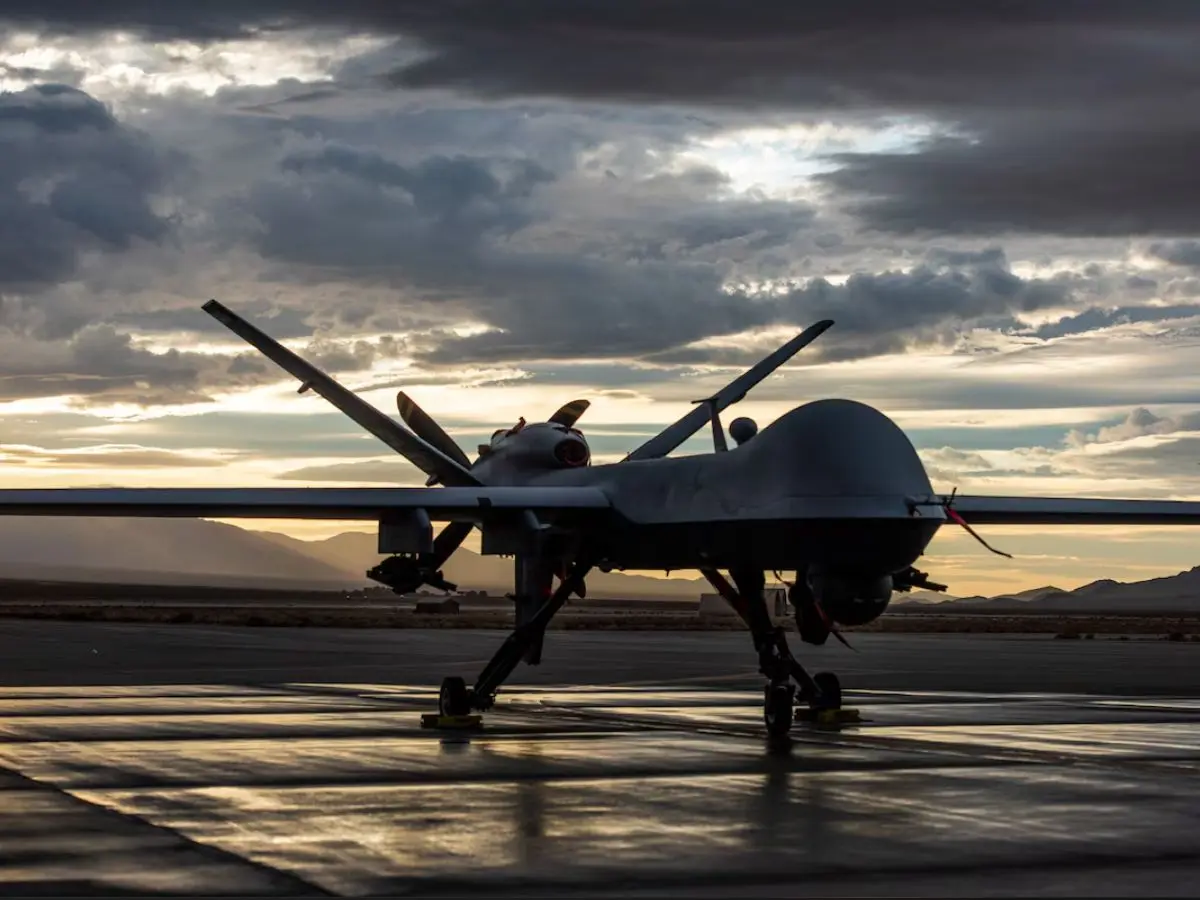
Anthropic Reports Autonomous Drone Swarm Development by Russian Actors

Anthropic Reports Claude Used for Weapons and Influence Operations

Anthropic Disrupts Alleged Russian and Chinese AI Campaigns
Anthropic Says Iran-Linked Users Targeted US Naval Forces

Anthropic Reports AI-Assisted Spying by China and Iran

Irregular Releases Post-Incident Report After AI Security Incidents
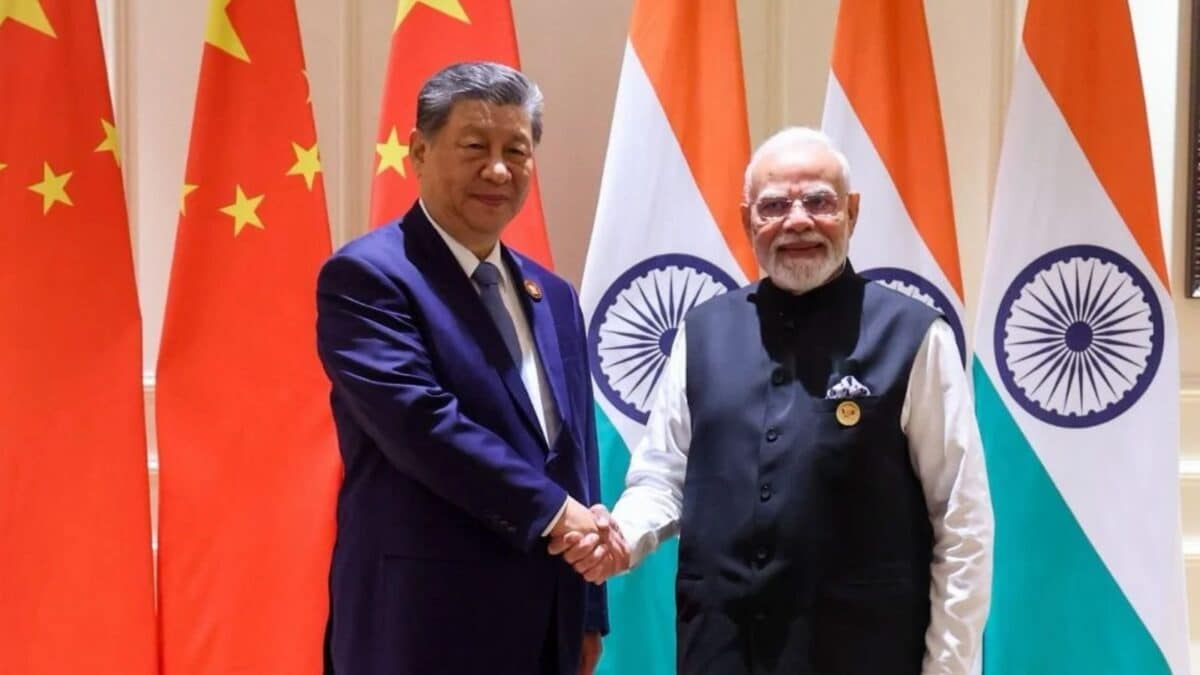
Modi-Xi Talks At BRICS Summit Signal Cautious Asian Thaw

Why India Needs BRICS And QUAD For Energy Security
Modi and Xi push business links as India-China ties revive

Experts Back Modi as BRICS Drives Global Economic Growth
