

Archive · 4 Oct 2026
How Gossip Can Help Readers Understand Literature Better
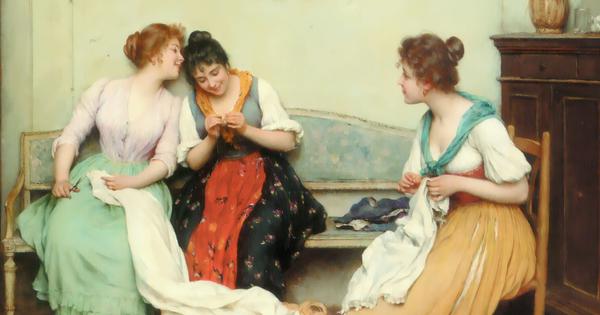
Gossip is when people talk about what others do and what it might mean.
The article says this kind of careful noticing can help us read books, too.
Readers can pay attention to what characters say and how they react.
Those clues can show their feelings, relationships and disagreements.
Writers have used gossip in stories for hundreds of years.
In Pride and Prejudice, talk about a new neighbor introduces different views about marriage.
In Much Ado About Nothing, characters use overheard conversations to bring two people together.
Looking for these clues can make books easier to understand and more enjoyable.
It can also help us think about how people act in real life.

Rachel Cusk’s novel Life of M has prompted debate over whether it draws on Natalie Portman’s life.
The article argues that gossip has long been part of literature, including 17th-century roman à clef novels.
Gossip requires people to assess social relationships, motives and behavior, and to share their judgments.
Readers can use similar skills to interpret character relationships and underlying tensions in novels and plays.
Examples from Pride and Prejudice and Much Ado About Nothing show gossip helping reveal themes and move plots forward.
- Who
- Readers, and writers including Rachel Cusk, Jane Austen and William Shakespeare.
- What
- An article argues that reading with attention to gossip and social clues can improve understanding and enjoyment of literature.
- When
- The article discusses the long history of literary gossip, dating back to the 1600s, and a recent debate about Rachel Cusk’s novel.
- Where
- The article first appeared on The Conversation.
- Why
- Gossip-like attention to conversations and relationships can help readers infer character motives, social dynamics and a work’s themes.
- Novel at the center of debate
- Life of M by Rachel Cusk
- Public figure allegedly inspiring the novel
- Natalie Portman
- Historical literary form
- The roman à clef, a novel that places real figures behind disguised characters
- Early example
- Madeleine de Scudéry’s Artamène ou le Grand Cyrus, co-written with her brother Georges
- Historical context for the example
- The Fronde, a series of uprisings from 1648 to 1653
- Works used as examples
- Pride and Prejudice and Much Ado About Nothing
- Article author
- Tabitha Rowland, a PhD researcher at the Institute of Irish Studies, University of Liverpool
- Original publisher
- The Conversation