Archive · 25 Sep 2026
G4 Ministers Press Early Reform of Eight-Decade-Old UN Security Council
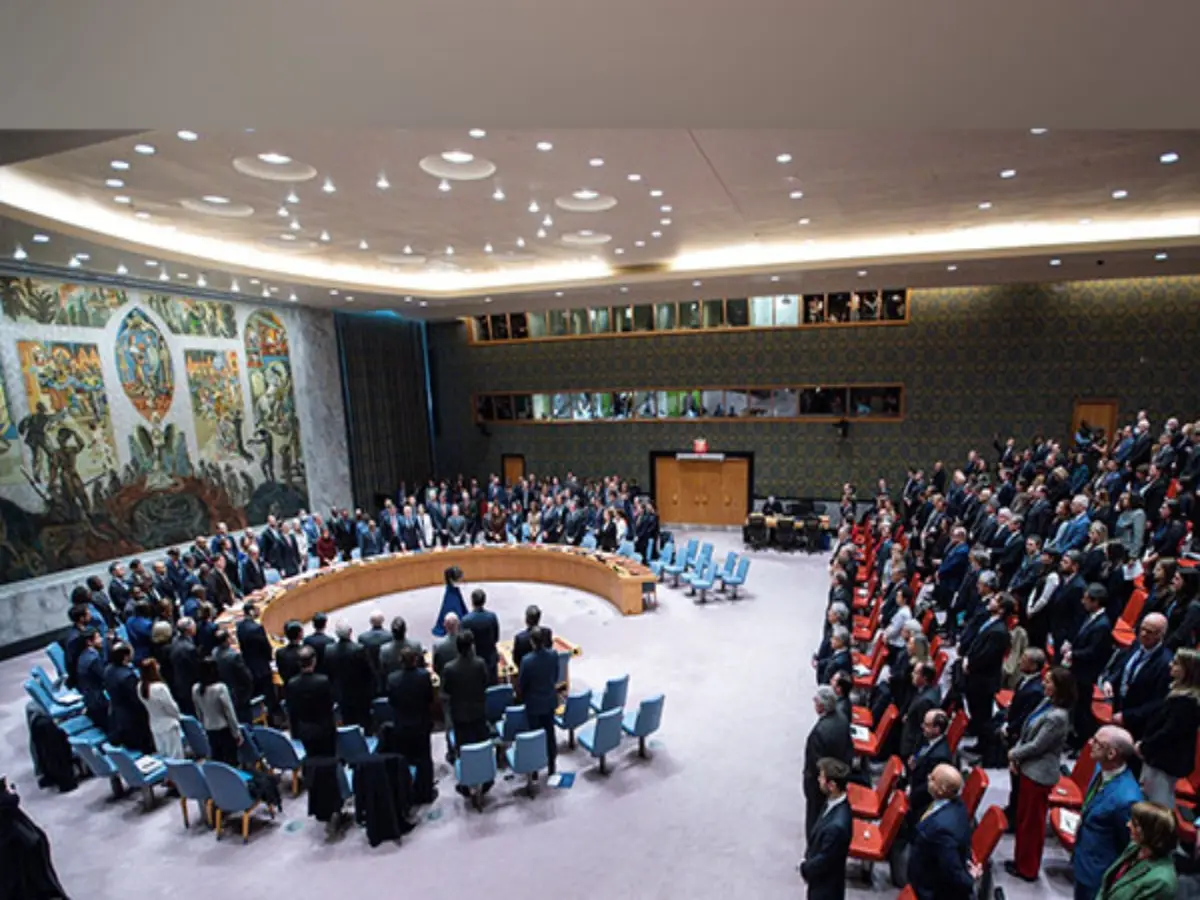
Brazil, Germany, India and Japan are asking to change how the United Nations Security Council works.
They say the Council is about 80 years old and does not match the way the world looks today.
The countries believe it is not doing its main job of helping maintain peace and security effectively.
They also questioned whether the Council fairly represents countries around the world.
The G4 ministers said talks about reform have produced few concrete results after 18 years.
They objected to a bridging proposal being presented before formal text-based negotiations began.
The G4 supports adding more countries as permanent and non-permanent members.
It also supports stronger representation for African countries.
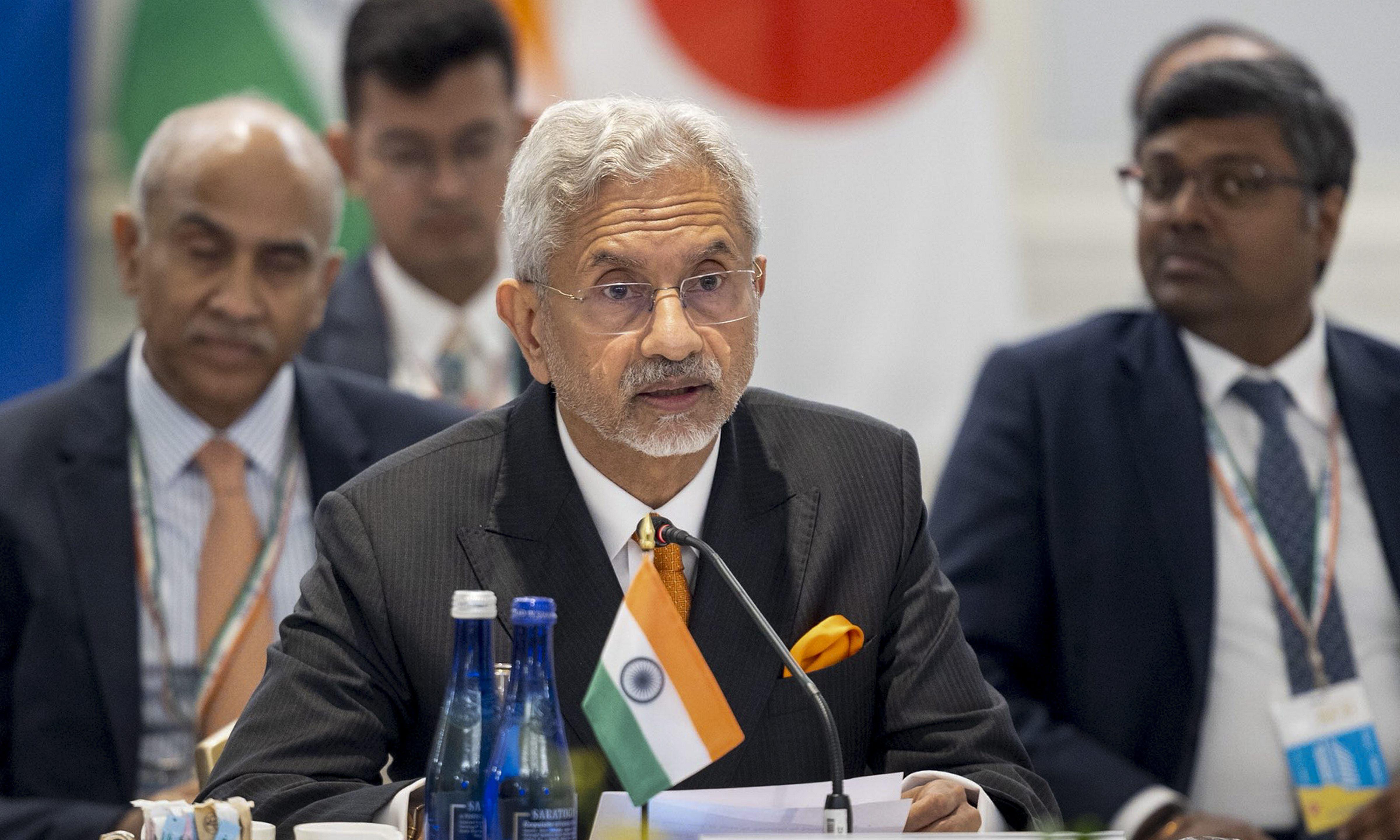
India’s S. Jaishankar and Germany’s Johann David Wadephul called for a more representative and effective Council.

Brazil, Germany, India and Japan called for early reform of the United Nations Security Council.
The G4 said the Council is failing to effectively maintain international peace and security.
They argued that its eight-decade-old structure does not reflect contemporary geopolitical realities.
The group criticized 18 years of largely ineffective Intergovernmental Negotiations on reform.
The G4 supported expanding both permanent and non-permanent Council membership, including stronger African representation.
- Who
- The G4 countries—Brazil, Germany, India and Japan—and their foreign ministers, including Mauro Vieira, Johann David Wadephul, S. Jaishankar and Motegi Toshimitsu.
- What
- They called for early reform of the United Nations Security Council, including expansion of both permanent and non-permanent membership categories.
- When
- The ministers met on September 22, described as Tuesday, during the 81st session of the United Nations General Assembly.
- Where
- On the margins of the United Nations General Assembly session.
- Why
- They said the Council’s eight-decade-old structure does not reflect contemporary geopolitical realities and has hindered its ability to address current and future peace and security challenges.
G4 Reform Position
Bridging-Proposal Approach
Timing of negotiations
G4 Reform Position
The G4 wants text-based negotiations to begin as a high priority and expressed reservations about presenting a bridging proposal beforehand.
Bridging-Proposal Approach
A so-called bridging proposal was presented before text-based negotiations began; the articles do not state its proponents’ detailed position.
Council membership
G4 Reform Position
The G4 says expansion in both permanent and non-permanent categories is central to reform and is supported by a majority of UN member states.
Bridging-Proposal Approach
The G4 said the bridging proposal did not account for the views of a clear majority of member states favoring expansion in both membership categories.
- Countries involved
- Brazil, Germany, India and Japan
- Institution targeted
- United Nations Security Council
- Main criticism
- The Council’s eight-decade-old architecture does not reflect contemporary geopolitical realities.
- Core responsibility
- Maintaining international peace and security
- Reform talks
- The G4 described 18 years of Intergovernmental Negotiations as largely ineffective in producing concrete outcomes.
- Membership proposal
- The G4 supports expansion in both permanent and non-permanent membership categories.
- African representation
- The ministers reaffirmed support for enhanced African representation, including in the permanent category.