

3 days ago
Traffic Jams Offer Five Lessons for Managing Workplace Chaos
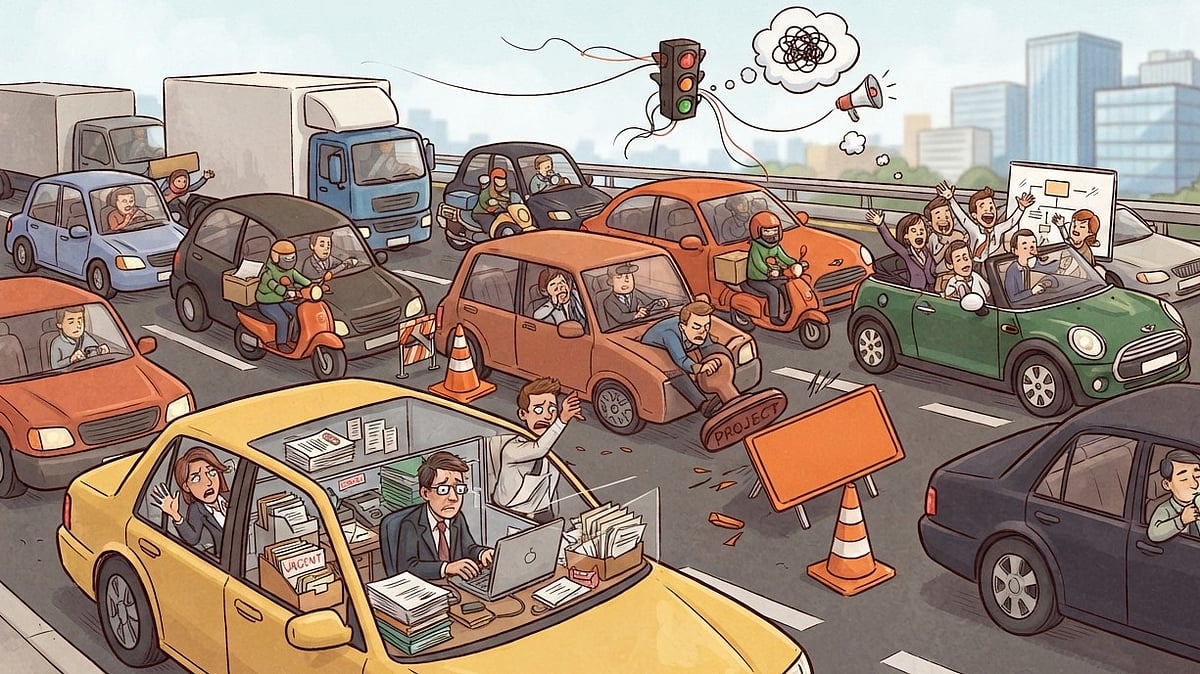
Traffic jams can teach us how workplaces work.
When cars stop, the problem may be a blocked lane or narrow road, not the cars at the front.
Work projects can also slow down because one important task or approval is blocked.
Adding more people does not always make a project faster.
Teams need clear goals and should not change direction too often.
Good communication helps everyone understand their jobs and who makes decisions.
Sometimes the smartest choice is to wait instead of making the problem worse.
Progress depends on the whole system, not just one person.

Managers should identify the real bottleneck before pressuring people to work faster.
Adding more people to a struggling project can create more opinions, meetings and confusion.
Frequently changing strategies, processes or priorities can leave teams busy without making progress.
Clear communication about responsibilities, decision-making and procedures can help prevent workplace confusion.
Sometimes waiting for an obstruction to clear is more effective than taking unnecessary action.
- Who
- Managers, employees and teams are the people discussed; management consultant Vriddhi Chawla, HR consultant Riddhima Baweja and psychologist Vijaya provide comments.
- What
- The article explains five management lessons inspired by traffic jams: find bottlenecks, avoid unnecessary staffing, maintain direction, communicate clearly and know when to wait.
- Where
- Traffic situations and workplaces are used as the settings for the lessons.
- When
- Why
- Traffic jams reveal patterns of impatience and poor coordination that can also appear in organisations.
Key facts
- Core lesson
- Find what is creating a blockage before asking people to work faster.
- Staffing
- More people do not necessarily improve efficiency and may pull a project in different directions.
- Strategy
- Constantly changing strategies or priorities can prevent meaningful progress.
- Communication
- Teams should understand responsibilities, final decision-makers and procedures for handling problems.
- Patience
- Waiting can be a strategic choice when available interventions may worsen the situation.
- Workplace example
- A project may stall when a designer waits for content, the content team waits for data and the data team waits for approval.
Quotes
Riddhima Baweja
HR consultant quoted on the limits of adding people to projects.
“Patience is a keyword for any situation, especially a traffic jam. Same applies to a situation at office or at home. When things don’t move a desired pace, keeping a ‘wait n watch’ approach is the best.”
 freepressjournal.in
“Too many persons cramped in one space or one project can take away the focus and in turn pull the goal in different directions. And that doesn't help. More persons don’t necessarily mean efficiency.”
freepressjournal.in
Sources
Related news
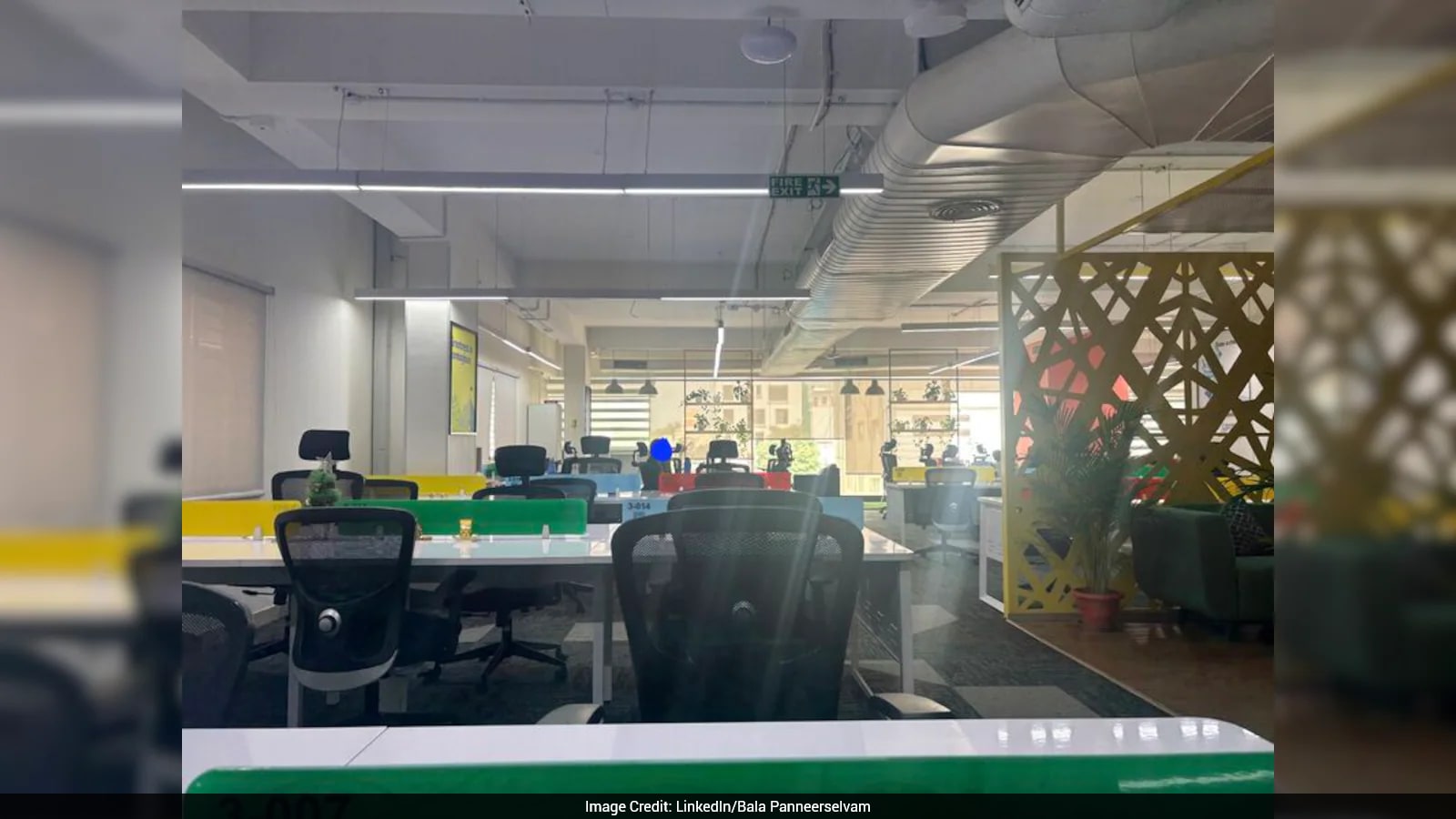
Bengaluru Traffic Leaves Office Empty, Entrepreneur Warns Productivity Suffers

Hyderabad Traffic Jams Turn Daily Commutes Into Major Nightmare

Simple daily habits that quietly boost workplace productivity

The Hidden Work That Keeps Every Airport Moving

Chakan's Industrial Growth Fuels Traffic Woes, Hits Workers
