

Archive · 5 Jun 2025
Study: Low-Calorie Diets Linked to Higher Depressive Symptoms
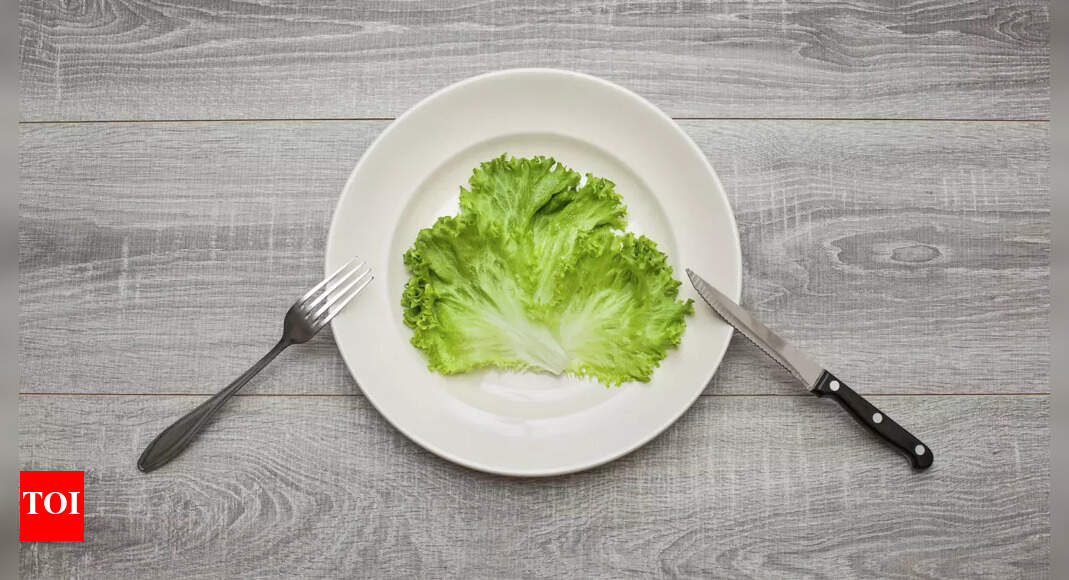
Imagine your body is a car.
You need the right fuel to run smoothly.
This study looked at people who cut down on how much fuel (calories) they took in.
The study found that people who cut calories, especially men and those who are overweight, were more likely to feel down.
It's like the car not getting enough fuel and starting to sputter.
While healthy eating is good, cutting calories too much might lead to feeling sad or grumpy.
This may be because their bodies are not getting enough of certain good nutrients and therefore causing stress.
Some experts also think that it is also because the participants were failing to lose weight or going through weight cycling.

Study in BMJ Nutrition Prevention & Health found link between low-calorie diets and depressive symptoms.
Researchers analyzed data from over 28,000 adults in the US National Health and Nutrition Examination Survey.
Participants followed different diet types: calorie-restrictive, nutrient-restrictive, established, or no diet.
Those on calorie-restrictive diets had higher depressive symptom scores.
Men and overweight individuals are especially vulnerable to the effects of restrictive eating.
- Who
- Researchers studied over 28,000 adults.
- What
- Study links low-calorie diets to increased depressive symptoms.
- When
- 2007-2018
- Where
- US
- Why
- To understand the mental health implications of specific diet types.
Prior Research
Current Research
Depression
Prior Research
Current study contradicts the previous research
Current Research
Prior studies suggested that low calorie diets improve depressive symptoms.
- Published In
- BMJ Nutrition Prevention & Health
- Study Participants
- 28,525 adults
- Reported Depressive Symptoms
- 8%
- Diet Types
- Calorie-restrictive, nutrient-restrictive, established dietary patterns
- PHQ-9 Score Increase (Calorie-Restrictive Diets)
- 0.29 points higher