Archive · 29 Sep 2026
Qatar Tries to Revive Iran-US Talks Over Strait
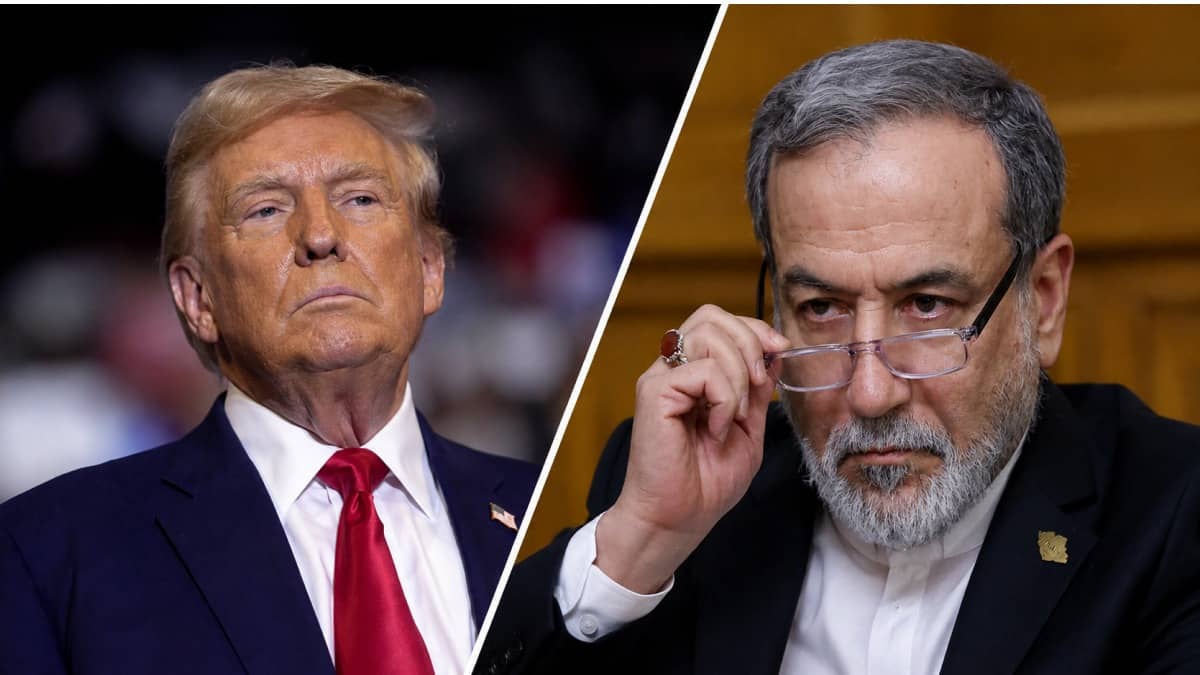
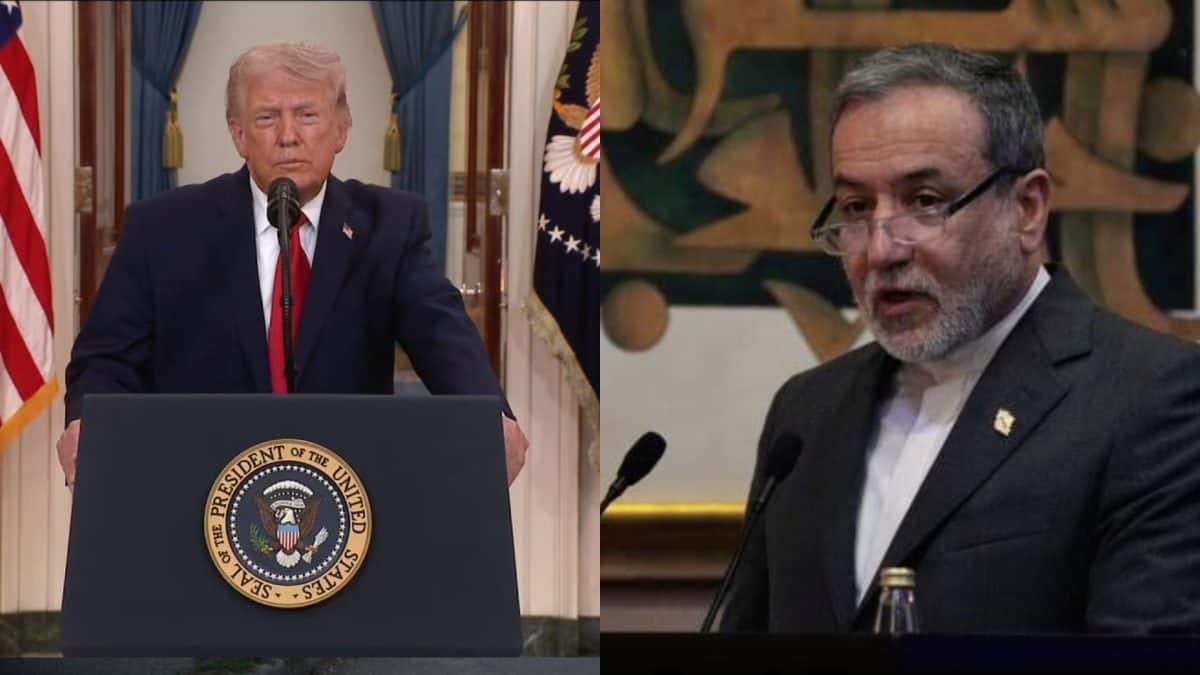
Qatar is trying to help Iran and the United States restart negotiations.
The countries are communicating indirectly through mediators rather than meeting directly.
Iranian Foreign Minister Abbas Araghchi is expected to meet Qatari mediators in New York on Tuesday.
Iran has offered a seven-day plan to reopen the Strait of Hormuz and reduce the fighting.
In exchange, Iran wants the United States to ease military pressure, oil sanctions and release frozen Iranian money.
Iran also wants to return to talks about its nuclear program.
Donald Trump says he rejected Iran’s proposal, but he also says more talks may happen.
Iran says it has not yet received a formal response through the mediators.
Iran says it is ready for diplomacy but is also prepared if the fighting starts again.

Qatari mediators held indirect discussions with Iran and the United States in New York and are expected to meet Abbas Araghchi on Tuesday.
Iran says it is awaiting Washington’s formal response to its proposal, despite Donald Trump publicly rejecting it.
Tehran’s seven-day plan would reopen the Strait of Hormuz if Washington eases military pressure, oil sanctions and releases frozen Iranian assets.
The proposal also calls for renewed nuclear negotiations and an end to hostilities involving Iran and Lebanon.
Both sides continue to signal opposing positions while leaving room for further diplomacy and possible renewed conflict.
- Who
- Iranian Foreign Minister Abbas Araghchi, Qatari mediators, the Iranian government and the United States, with Donald Trump commenting on the proposal.
- What
- Indirect Iran-US discussions are continuing over Iran’s seven-day plan to end hostilities and reopen the Strait of Hormuz.
- When
- Further discussions were reported on Monday; Araghchi is expected to meet mediators on Tuesday, and Trump said more talks could occur this week.
- Where
- New York, where Araghchi remains after attending the United Nations General Assembly; separate discussions with the United States are also being arranged.
- Why
- The effort seeks to resolve the conflict, reopen the Strait of Hormuz and address Iran’s demands for reduced military pressure, sanctions relief, released frozen assets and renewed nuclear negotiations.
Iran’s Position
US Position
Status of the proposal
Iran’s Position
Iran says it has not received a formal rejection through mediators and is awaiting Washington’s final position. Araghchi also disputes the US description of the plan.
US Position
Donald Trump said he rejected Iran’s proposal, and US Ambassador to the United Nations Mike Waltz said Washington rejected its demands for sanctions relief and access to frozen assets before nuclear negotiations.
Conditions for reopening Hormuz
Iran’s Position
Iran says it would reopen the Strait of Hormuz within seven days if the United States eases military pressure, sanctions and releases frozen assets.
US Position
The United States has rejected the proposal as presented; US officials have not accepted Iran’s stated conditions in the reports.
Diplomacy and conflict
Iran’s Position
Iran says it is ready for a diplomatic solution but is fully prepared for fighting to resume if necessary.
US Position
Trump has kept further talks possible and said negotiations would continue, while also keeping all options on the table.
- Mediator
- Qatar is conducting separate discussions with Iran and the United States.
- Iranian representative
- Foreign Minister Abbas Araghchi is expected to meet mediators in New York on Tuesday.
- Iran’s proposal
- The plan calls for the Strait of Hormuz to reopen within seven days if specified conditions are met.
- Iranian conditions
- Iran seeks reduced US military pressure, eased oil sanctions and the release of frozen Iranian assets.
- Additional framework
- The proposal includes renewed negotiations over Iran’s nuclear program and an end to hostilities involving Iran and Lebanon.
- US position
- Donald Trump said he rejected the proposal, while US officials indicated that some form of agreement would ultimately be needed.
- Iranian position
- Iran says it is awaiting Washington’s formal final response and remains ready for diplomacy while preparing for possible renewed hostilities.