

Archive · 11 Jan 2026
Indians Consume Twice Recommended Salt Daily
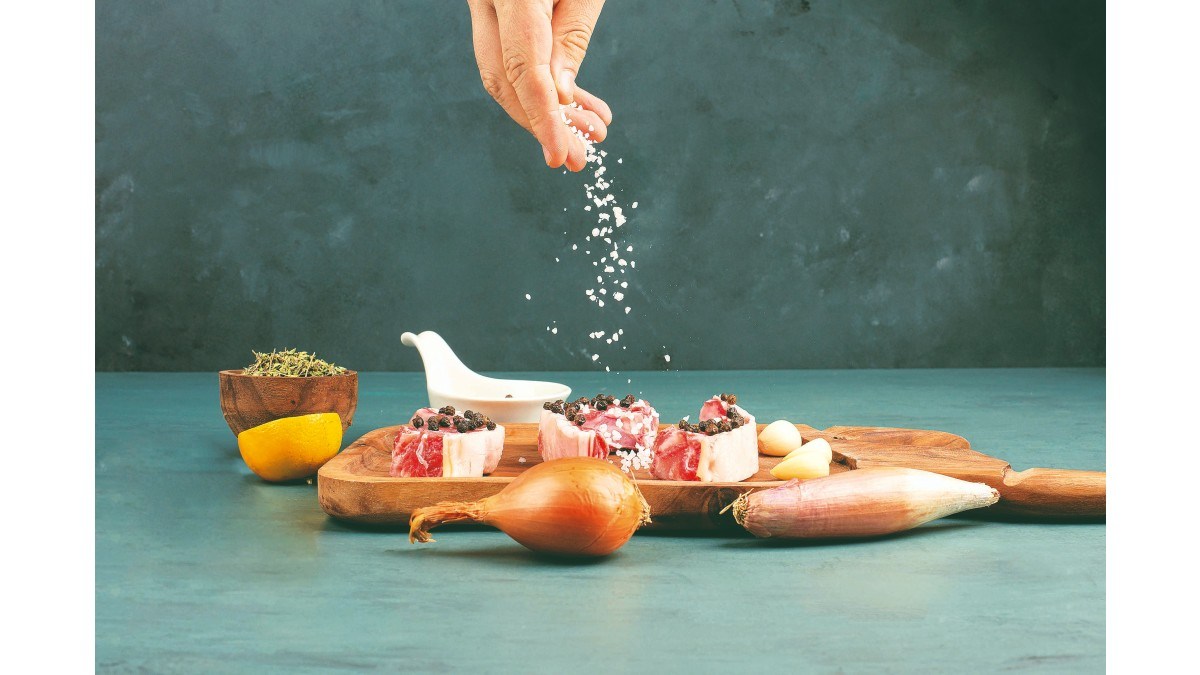
A recent report shows that Indians eat too much salt every day, about 11 grams, which is more than double what the World Health Organization says is safe.
This extra salt can cause serious health problems like high blood pressure, heart disease, and kidney issues.
The salt comes from home-cooked food and processed foods.
Doctors say it's important to reduce salt and use herbs and spices instead to stay healthy.
People, especially those over 40 and living in cities, should be careful about how much salt they eat.

Indians consume an average of 11 grams of salt daily, more than double the WHO's recommended 5 grams.
Excessive salt intake increases the risk of hypertension, stroke, heart disease, and kidney disorders.
Primary sources of excess salt include home-cooked food and processed/packaged foods.
Common symptoms of high salt intake are heaviness, headaches, fatigue, and swelling in the feet.
Doctors recommend reducing added salt, avoiding processed foods, and using herbs and spices for flavor.
- Who
- Average Indians, particularly those over 40 and urban populations
- What
- Excessive salt consumption, over twice the WHO recommended limit
- When
- Ongoing, with increasing consumption of processed foods
- Where
- India, with regional variations in eating habits
- Why
- Excessive salt consumption leads to health risks such as hypertension, stroke, heart disease, and kidney disorders
- Average Indian Salt Consumption
- 11 grams per day
- WHO Recommended Limit
- 5 grams per day
- Primary Sources of Excess Salt
- Home-cooked food, processed and packaged foods
- Common Symptoms of High Salt Intake
- Heaviness, headaches, fatigue, swelling in feet
- Health Risks of Excessive Salt
- Hypertension, stroke, heart disease, kidney disorders
- Vulnerable Populations
- People over 40, sedentary lifestyles, urban populations
- Recommended Actions
- Reduce added salt, avoid processed foods, use herbs/spices for flavor
