Archive · 6 Oct 2026
Russia Reports No Plague Cases After Lab Worker’s Death
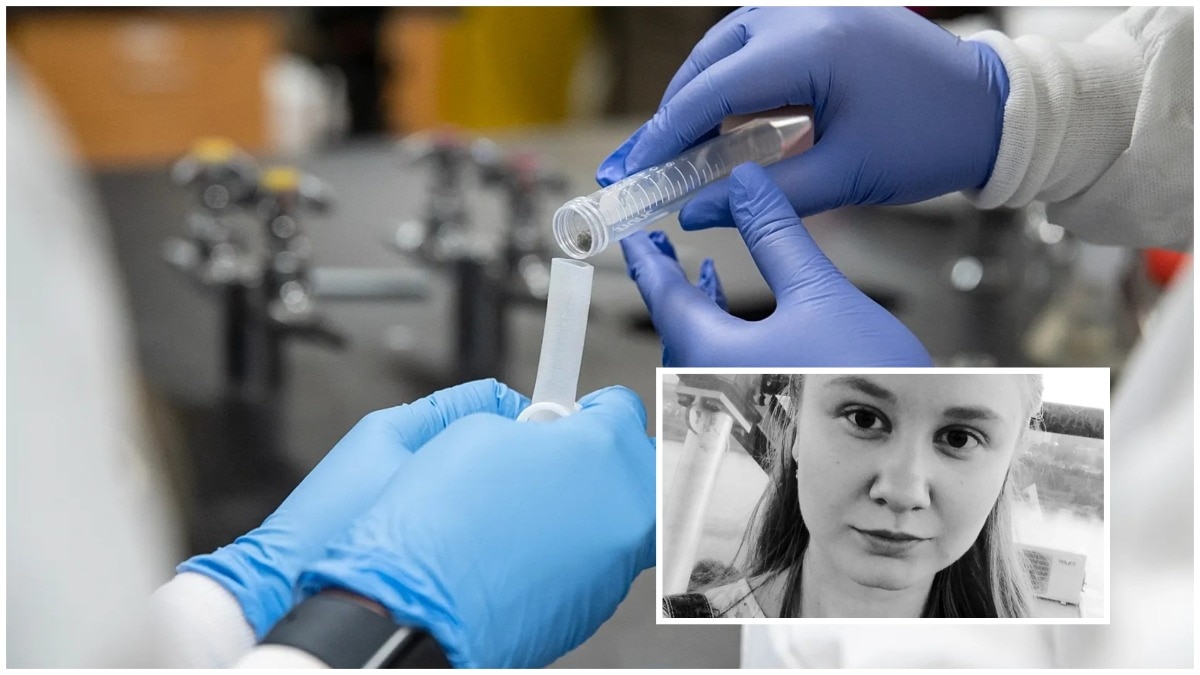
A 28-year-old worker at a research institute in Irkutsk became very sick with pneumonia and died.
Because the institute studies plague and other dangerous germs, people worried she might have caught plague.
Russian officials said tests found no plague-related germs in her samples or among people who had contact with her.
They also said they found no safety-rule breach at the institute.
Tests among contacts found Covid-19 and rhinovirus, but no plague.
Officials said about 60% of people placed under quarantine had been released by Tuesday.
Biologist Kevin Esvelt said the cause of death should be explained, while noting that a dangerous outbreak was only a possibility.
US Secretary of State Marco Rubio also called on Russia to share more information.

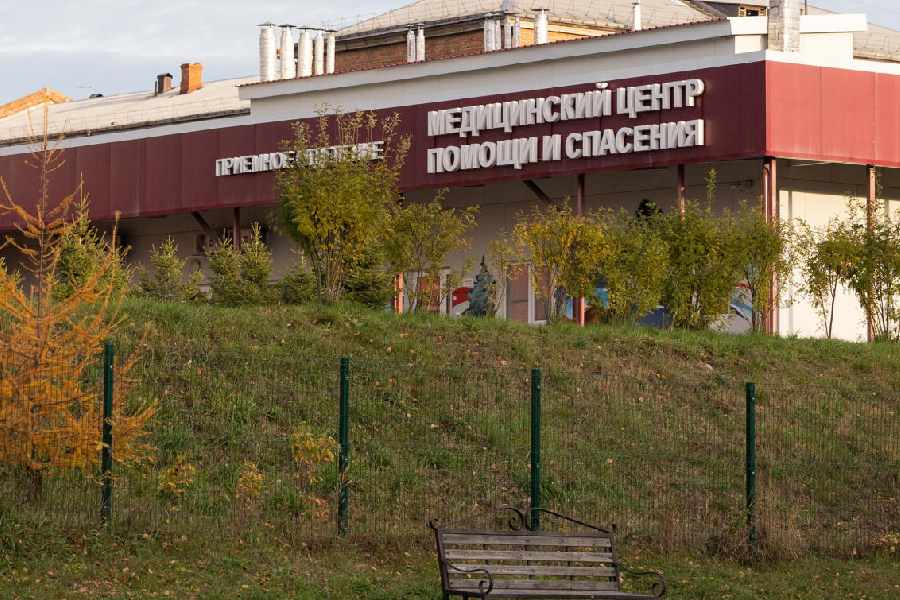
A 28-year-old worker at Irkutsk’s anti-plague research institute died after being hospitalized with severe pneumonia.
Russian authorities said tests found no plague-linked microorganisms in her samples and no plague cases among her contacts.
Authorities reported two Covid-19 cases and two rhinovirus cases among people tested; about 60% of those quarantined had been released by Tuesday.
Officials said the regional health situation was stable and that investigations found no emergency or breach of safety protocols at the institute.
Kevin Esvelt questioned the lack of an identified cause, while US Secretary of State Marco Rubio urged Russia to share more information.
- Who
- A 28-year-old worker at the Irkutsk Anti-Plague Research Institute; Russian health authorities; Kevin Esvelt; and US Secretary of State Marco Rubio.
- What
- The worker died after severe pneumonia of undetermined cause; Russian authorities reported no plague cases among contacts or plague-linked microorganisms in her samples.
- When
- The worker died on Friday; Russian authorities and Rubio made statements on Monday and Tuesday.
- Where
- Irkutsk, Siberia, Russia; Rubio spoke to reporters in Iceland.
- Why
- Her death raised concern about possible plague because she worked at an anti-plague research institute and reports raised the possibility of exposure to live bacteria.
Calls for answers and concern
Russian authorities’ findings
Cause of death and possible infection
Calls for answers and concern
Kevin Esvelt said it would be surprising if doctors did not know the cause of pneumonia and described a lethal, transmissible pathogen as a possibility, not a confirmed finding. Reports also cited an initial statement by Buryatia’s head suggesting plague, later qualified as “maybe” plague.
Russian authorities’ findings
Russian authorities said the cause was unestablished, tests found no microorganisms linked to the worker’s research, and no plague cases were found among contacts.
Disclosure and response measures
Calls for answers and concern
Esvelt questioned reports of hospital lockdowns and deployment of security and hazmat personnel, asking why authorities would not identify the suspected agent. Rubio said Russia should share more information.
Russian authorities’ findings
Russian authorities said they promptly introduced anti-epidemic measures, including identifying contacts, medical observation, and daily laboratory testing, and reported that the regional health situation was stable.
- Worker
- 28-year-old employee of an anti-plague research institute in Irkutsk
- Reported illness
- Severe pneumonia; Russian authorities described its cause as unestablished or unknown
- Testing
- Authorities said samples showed no microorganisms linked to her work
- Contacts
- About 200 people were reportedly placed under medical observation
- Contact test results
- Two Covid-19 cases and two rhinovirus cases were detected; no plague cases were reported
- Quarantine update
- A local official said about 60% of those placed under quarantine had been released by Tuesday
- Official safety findings
- Authorities said there was no institute emergency or safety-protocol breach
- US response
- Marco Rubio urged Russia to share more information and said the United States was watching closely