2 weeks ago
Restoring J&K's statehood key to political stability
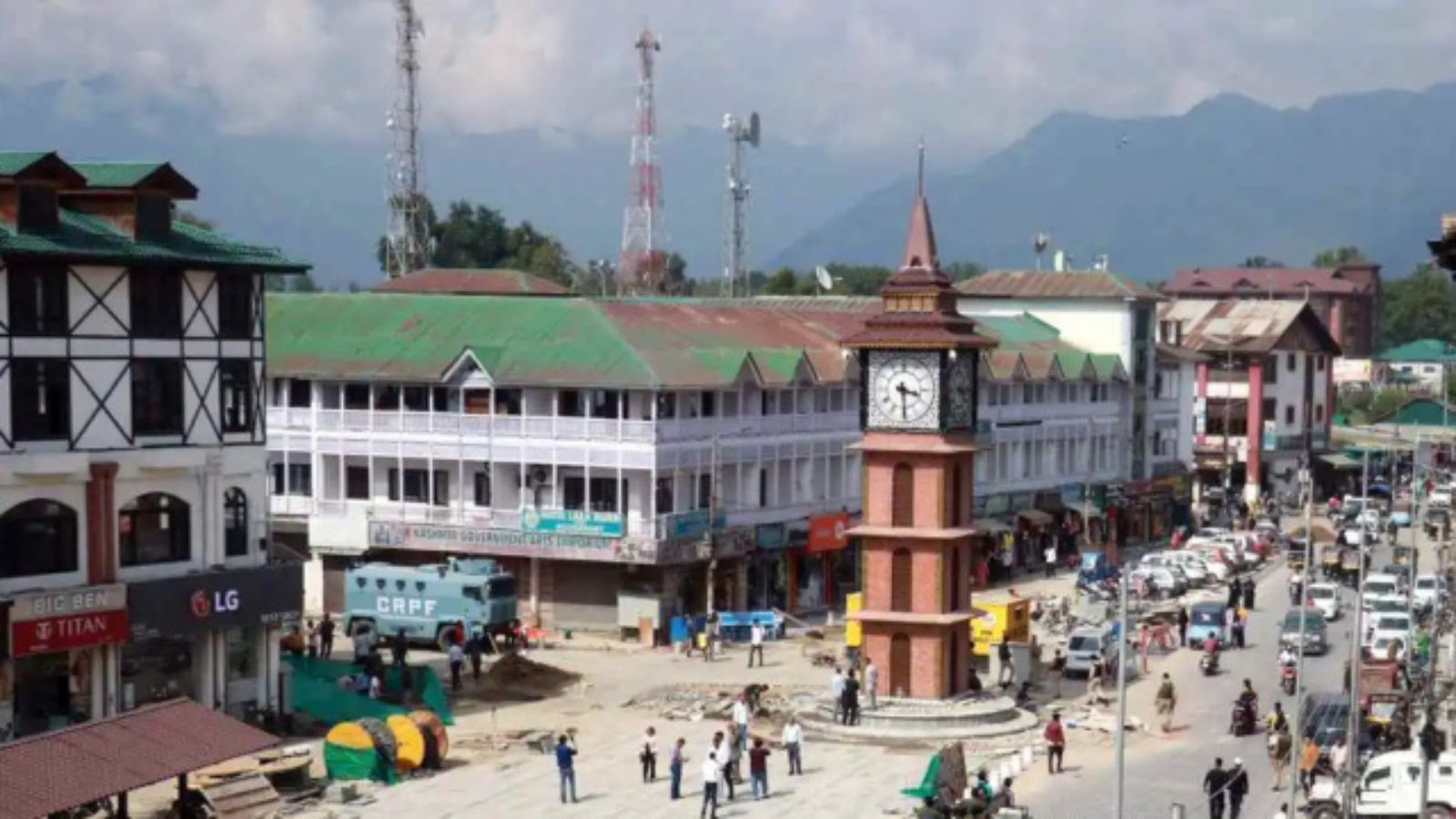
Jammu and Kashmir, often called J&K, is a region in the north of India.
For many years, it had special rules that gave it more independence within India.
In August 2019, India changed those rules and split the region into two smaller parts.
After the change, India's central government had much more control over how the region was run.
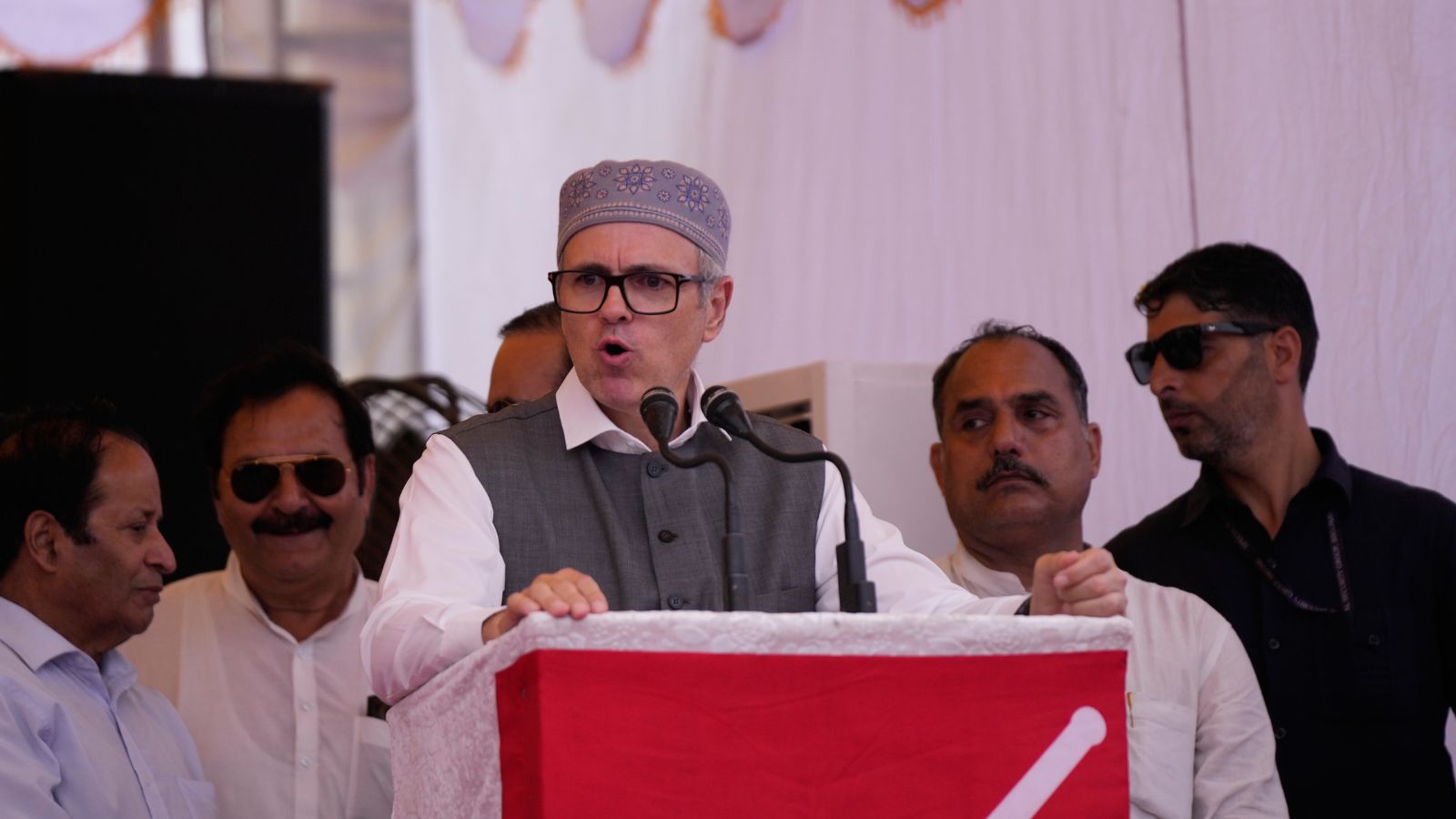
In 2024, people voted and a new elected government led by Omar Abdullah was formed.
But J&K is still not a full-fledged state like most other parts of India.
Some important jobs, like running the police and managing land, are still handled by a leader chosen by India's central government.
Many people and political parties want J&K to become a full state again.
The central government says this will happen at an 'appropriate time' but has not said when.
Others worry more about safety and security and support the current arrangement.

J&K has alternated between elected governments and central rule since its 1947 accession to India.
On August 5, 2019, India revoked Articles 370 and 35A and split J&K into the Union Territories of Jammu and Kashmir and Ladakh.
Assembly elections held in 2024 after a Supreme Court directive brought a National Conference-led government headed by Omar Abdullah to power.
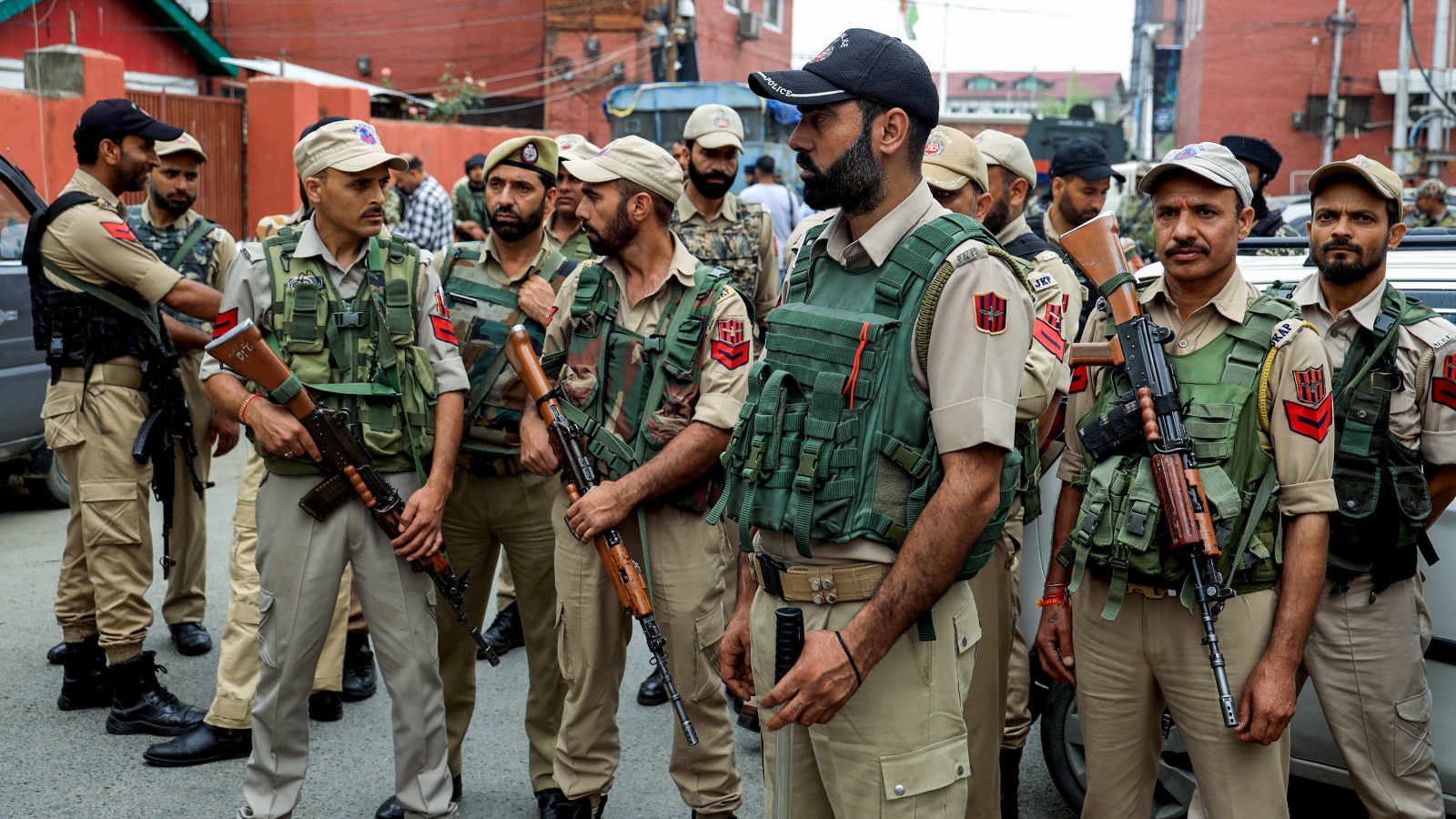
Public order, police, land administration and significant bureaucratic authority remain with the Lieutenant Governor rather than the elected government.
The Centre says statehood will be restored at an 'appropriate time' without a definite timeline, while NC-led parties demand immediate restoration.
- Who
- The Government of India, the Lieutenant Governor, and a National Conference-led alliance headed by Omar Abdullah, along with regional parties demanding statehood restoration.
- What
- The debate over restoring full statehood to Jammu and Kashmir, which was bifurcated into two Union Territories in 2019.
- Where
- Jammu and Kashmir, India — specifically the Kashmir Valley and Jammu regions, with Ladakh created as a separate Union Territory.
- When
- Ongoing; the constitutional changes occurred on August 5, 2019, and Assembly elections followed in 2024.
- Why
- Regional parties argue prolonged Union Territory status and limited powers for elected leaders weaken democratic governance, while the Centre cites national security and governance priorities.
Supporters of immediate statehood (NC-led opposition)
Central government and supporters of current arrangement
Timing of statehood restoration
Supporters of immediate statehood (NC-led opposition)
Regional parties led by the National Conference demand immediate restoration of full statehood, arguing prolonged uncertainty weakens democratic governance.
Central government and supporters of current arrangement
The Centre says statehood will be restored at an 'appropriate time' but has announced no definite timeline.
Impact of the 2019 reorganisation
Supporters of immediate statehood (NC-led opposition)
Many political leaders say governance reforms could have been implemented through an elected state government, and the changes caused detentions and temporary economic disruption.
Central government and supporters of current arrangement
The Centre argued the move would strengthen national integration, improve governance, curb terrorism, reduce corruption and encourage investment.
Regional preferences within J&K
Supporters of immediate statehood (NC-led opposition)
The Kashmir Valley has the strongest demand for immediate statehood.
Central government and supporters of current arrangement
Parts of Jammu show greater support for the present constitutional arrangement.
Key facts
- Region
- Jammu and Kashmir (former state, now a Union Territory), India
- Date of reorganisation
- August 5, 2019
- Constitutional provisions revoked
- Articles 370 and 35A
- New Union Territories
- Jammu and Kashmir; Ladakh
- 2024 election result
- National Conference-led alliance headed by Omar Abdullah formed the government
- Subjects under Lieutenant Governor
- Public order, police, land administration, and significant bureaucratic authority
- Centre's position on statehood
- To be restored at an 'appropriate time'; no definite timeline announced
- Key historical milestones
- 1947 accession; 1952 Delhi Agreement; 1963 Moi-e-Muqaddas theft; 1987 Assembly elections; 1990 Governor's Rule; 1996 Assembly elections
Sources
Related news
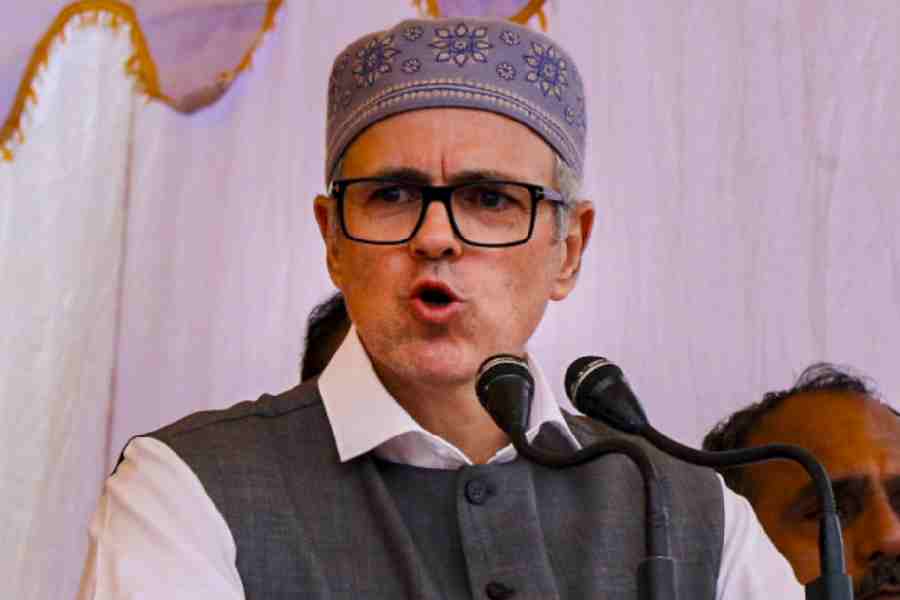
Omar Abdullah laments lost political capital over J-K statehood delay
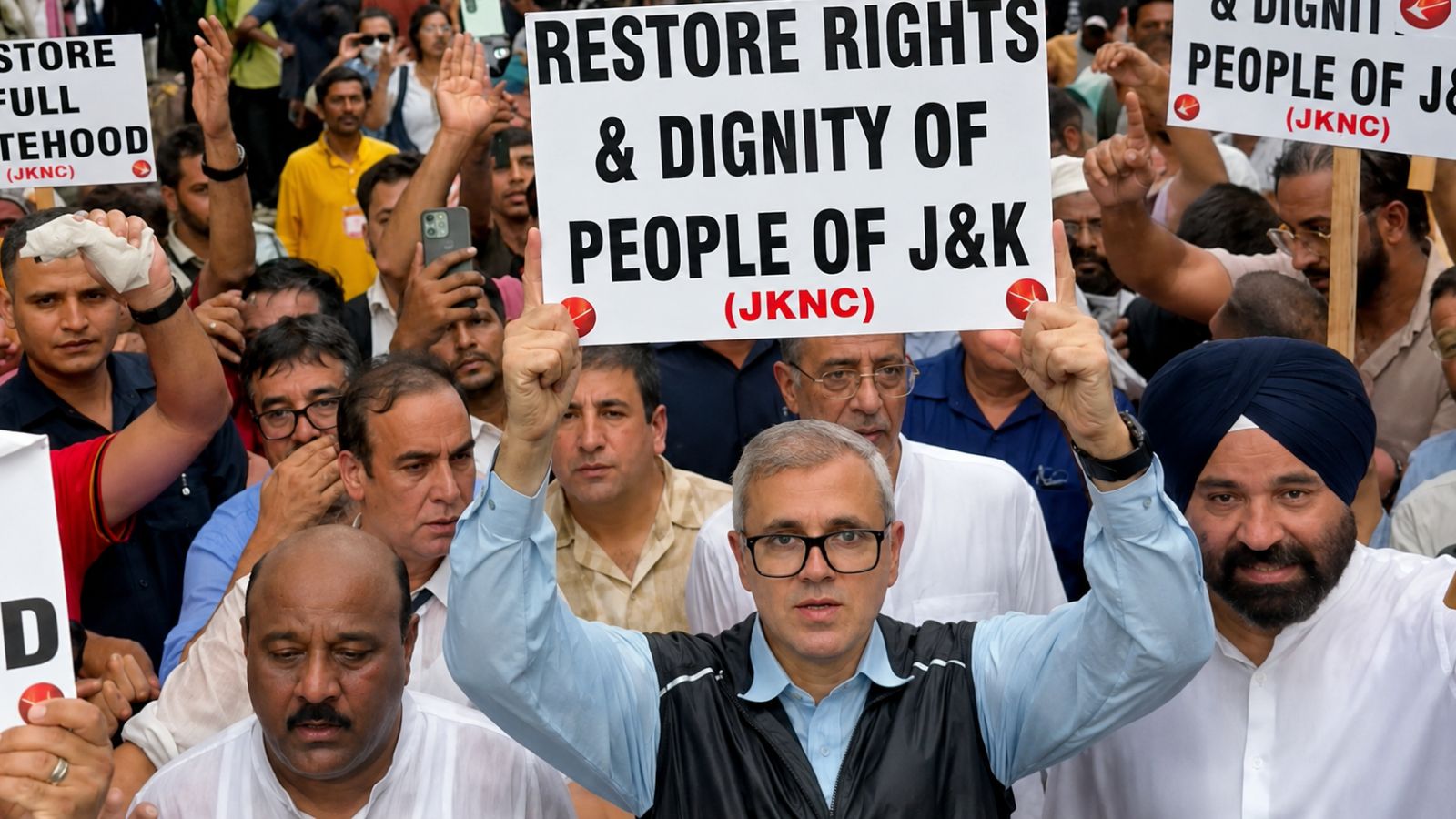
Omar Abdullah Protests, Demands Statehood on Article 370 Anniversary

Omar Abdullah renews J&K statehood, special status demand on Independence Day

NC asks Centre to restore statehood to Jammu and Kashmir
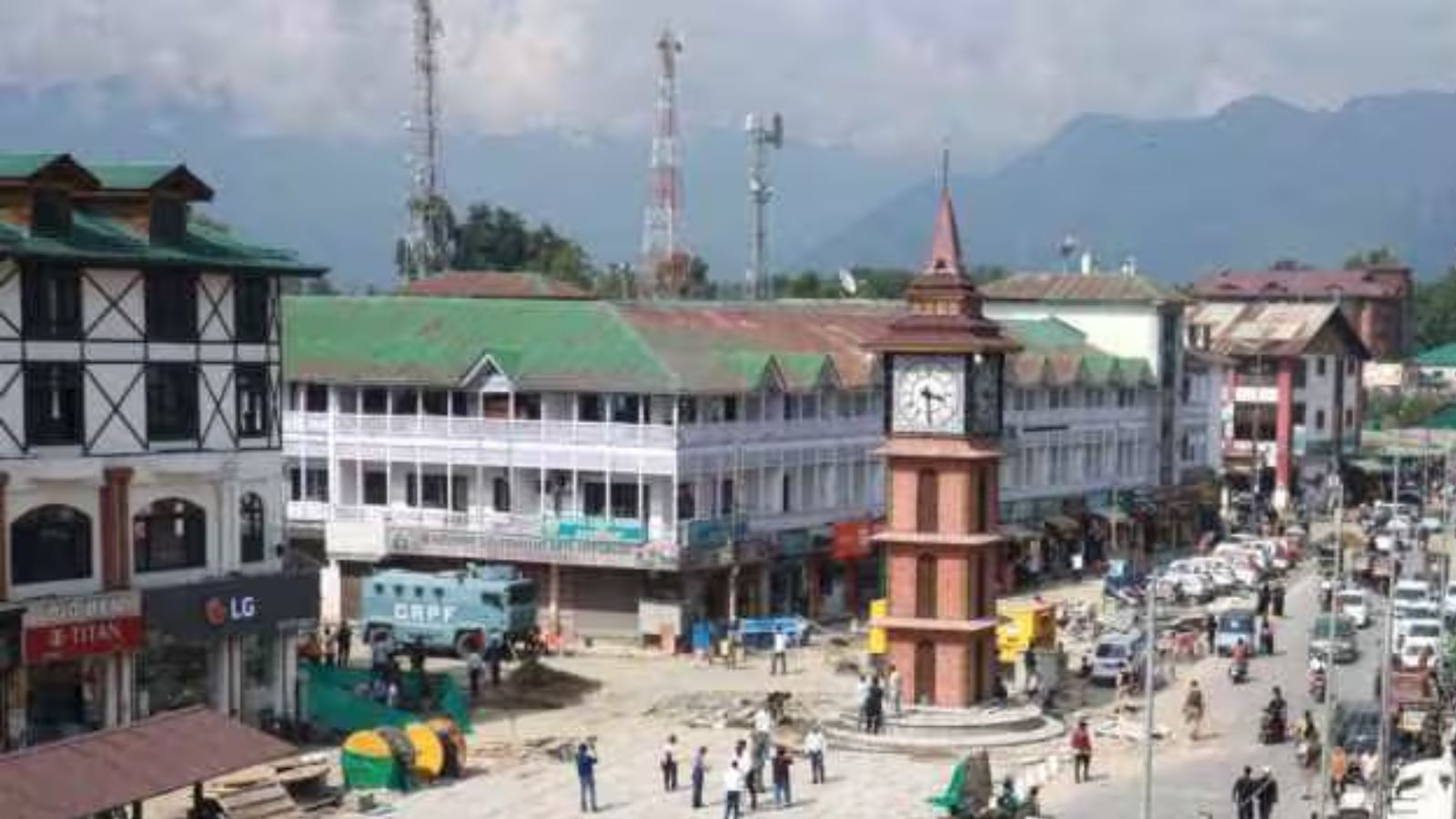
Kashmir leaders protest Article 370 anniversary as people move on

Rival NC-BJP Protests Roil J&K as Police Halt Marches
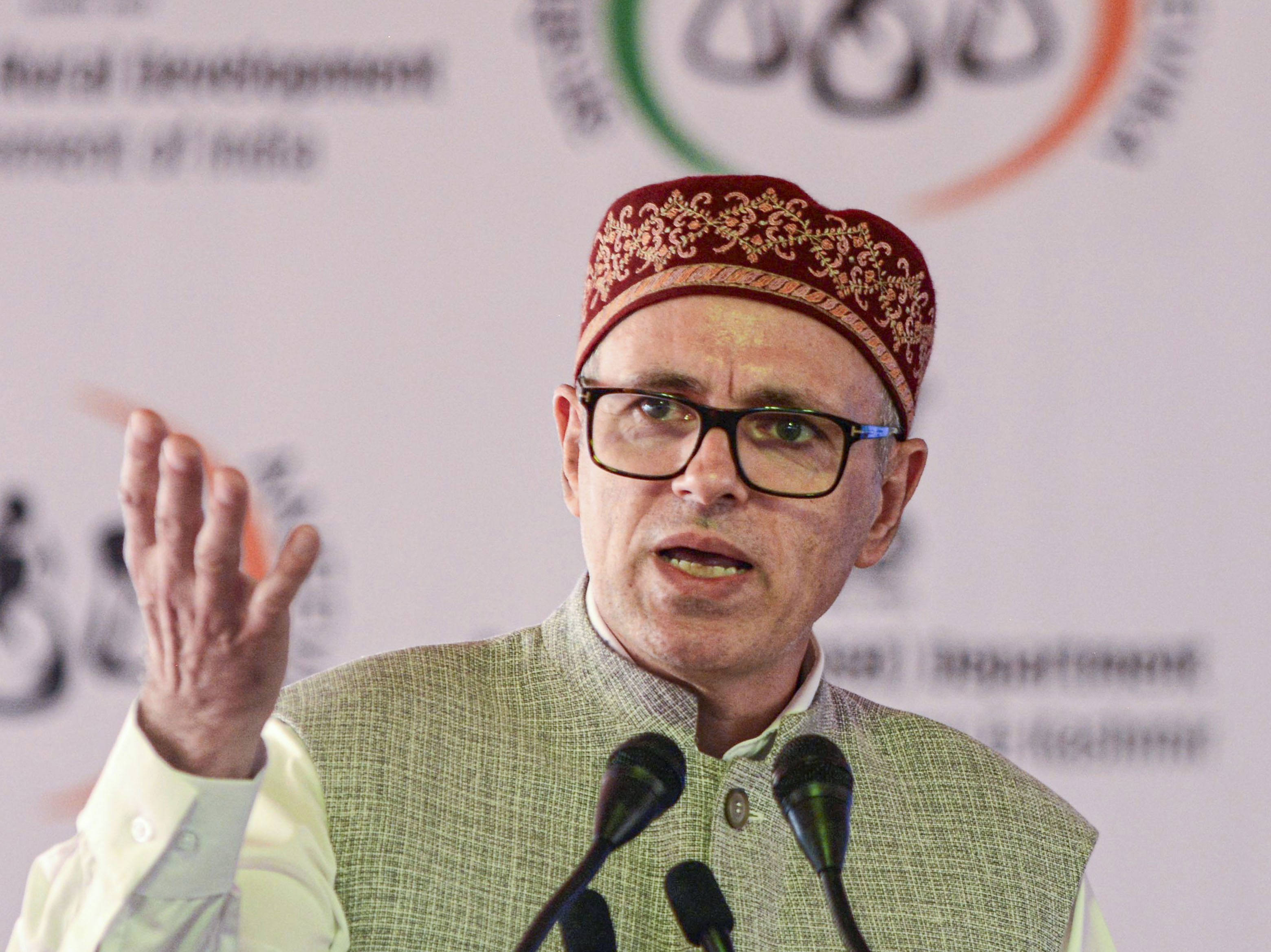
Omar Abdullah Alleges Unequal Treatment of Srinagar Political Protests
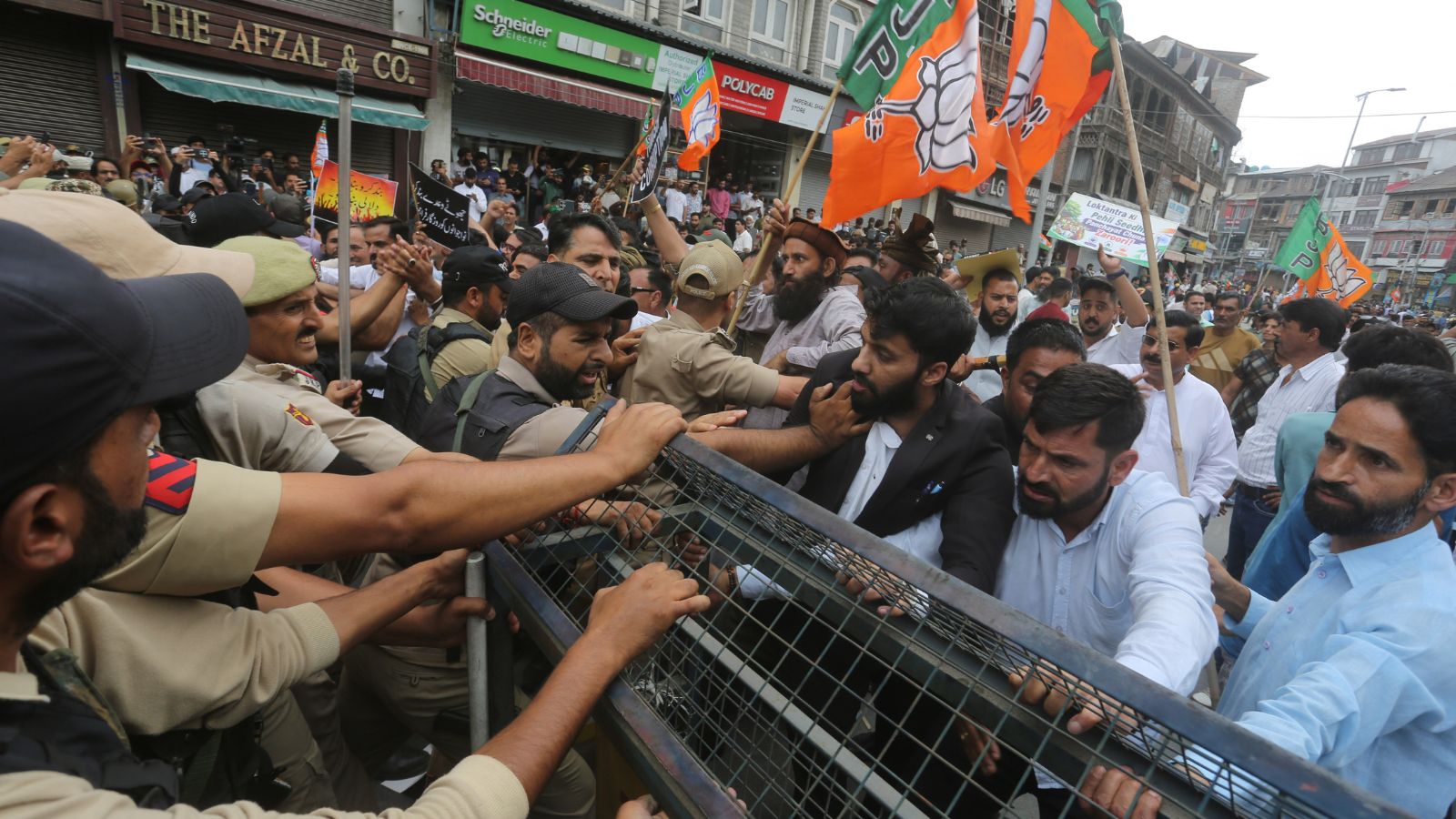
BJP, National Conference Hold Rival Protests Across Srinagar Streets
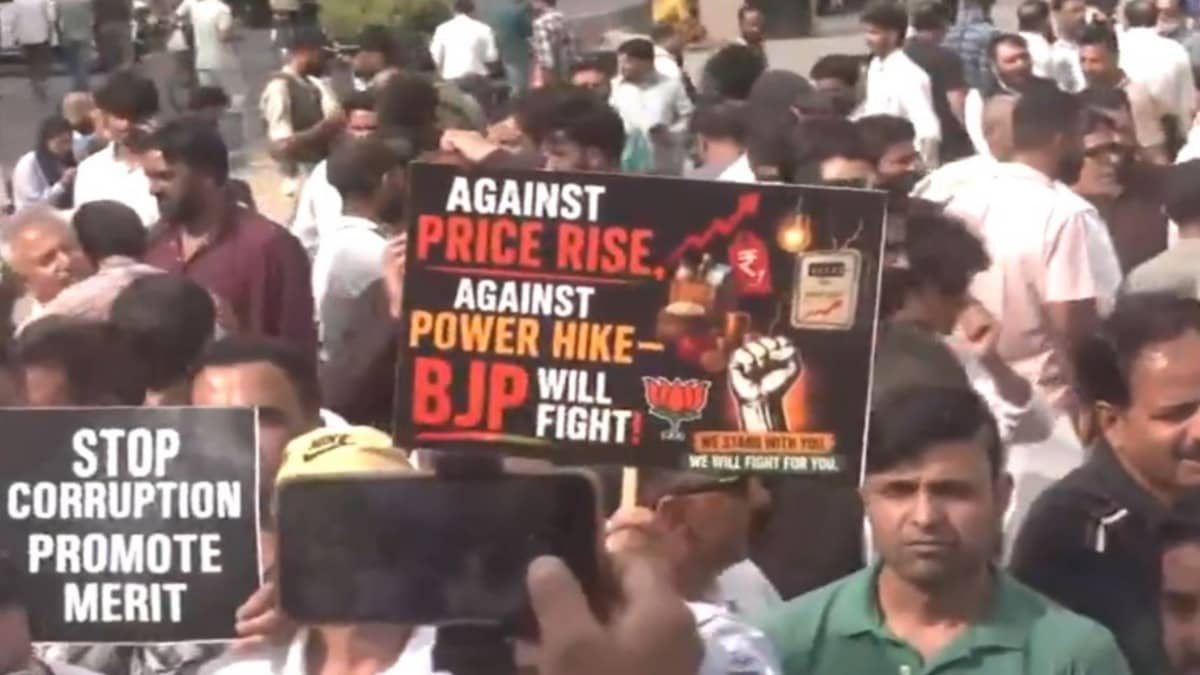
BJP Protests NC Govt Over Unemployment, Price Hike in J&K
India Live Updates: J&K Protests, Court Hearing, Delhi Incidents