3 days ago
Why India’s Clock Towers Still Matter in the Smartphone Age

People can now check the time on phones and watches, so clock towers are not needed for that job.
But India’s towers are also important landmarks.
They were built for many reasons, including to serve markets, schools and city centres.
Their designs and clocks tell stories about the people and communities that created them.
Some used old water-powered ways of measuring time, while others have gears and pendulums.
Debasish Das has recorded nearly 150 towers across India.
Experts say repairs should protect the original building and clock parts.
The towers help cities remember their history and feel distinctive.

Clock towers across India have served as landmarks and public timekeepers in markets, schools, railway stations, civic squares and other places.
Horologist Debasish Das has documented nearly 150 towers and says they reflect varied histories, patrons and architectural purposes.
The towers have used different mechanisms over time, including water clocks, weight-driven clocks and pendulum-regulated systems.
The Allahabad High Court questioned the need for a proposed clock tower in Firozabad when people can check time on phones and watches.
Experts argue that preserving working mechanisms and authentic craftsmanship helps retain the towers’ historical and civic meaning.
- Who
- Horologist and author Debasish Das, architect Brinda Somaya and conservation experts discuss India’s clock towers.
- What
- The article explores the history, varied roles and continuing cultural importance of India’s clock towers.
- Where
- Across India, with examples in Delhi, Firozabad, Gondal, Jodhpur and Mumbai.
- When
- The article describes towers built over centuries and recent restoration work on Mumbai’s Rajabai Clock Tower.
- Why
- Although smartphones and watches make towers unnecessary for telling time, they remain landmarks and preserve community memory and a sense of place.
Clock towers are redundant
Clock towers still matter
Need for public timekeeping
Clock towers are redundant
People can check the time on smartphones and watches, making clock towers unnecessary for timekeeping.
Clock towers still matter
Even if no longer needed to tell time, towers give time a public presence and help communities remember their history and place.
Modern repairs
Clock towers are redundant
Replacing an original mechanical clock with a quartz mechanism can make the clock functional.
Clock towers still matter
Debasish Das warns that this can reduce a living timepiece to a façade and erase the original mechanism’s character.
Key facts
- Towers documented
- Debasish Das has documented nearly 150 clock towers across India.
- Book
- Clock Towers of India: Sentinels of Time, published by Niyogi in 2026.
- Rajabai Clock Tower height
- The article says its restoration took place at a height of 280 feet.
- Rajabai Clock Tower namesake
- Mumbai merchant Premchand Roychand named the tower after his mother, Rajabai.
- Delhi tower maintenance
- The clock at Shri Vishwanath Sanskrit Mahavidyalaya must be manually wound every seven days.
- Older timekeeping interval
- The described water-clock bowl sank once every 24 minutes.
- Mechanisms described
- Water clocks, weight-driven mechanical clocks and pendulum-regulated mechanisms.
Quotes

Brinda Somaya
Mumbai-based architect whose firm worked on the Rajabai Clock Tower restoration.
“The project demanded research, patience and respect for craftsmanship. Even during the restoration process at a height of 280 feet, the clock continued to function. It reinforced a fundamental principle of conservation: understand the building first, intervene sensitively, and allow it to continue its life without losing its authenticity.”
 indianexpress.com
“Strictly speaking, we no longer need clock towers to tell the time. Our smartwatches have made the clock tower redundant. But we still need them to remind us where we have come from and to give our cities a sense of place and memory.”
indianexpress.com
Sources
Related news
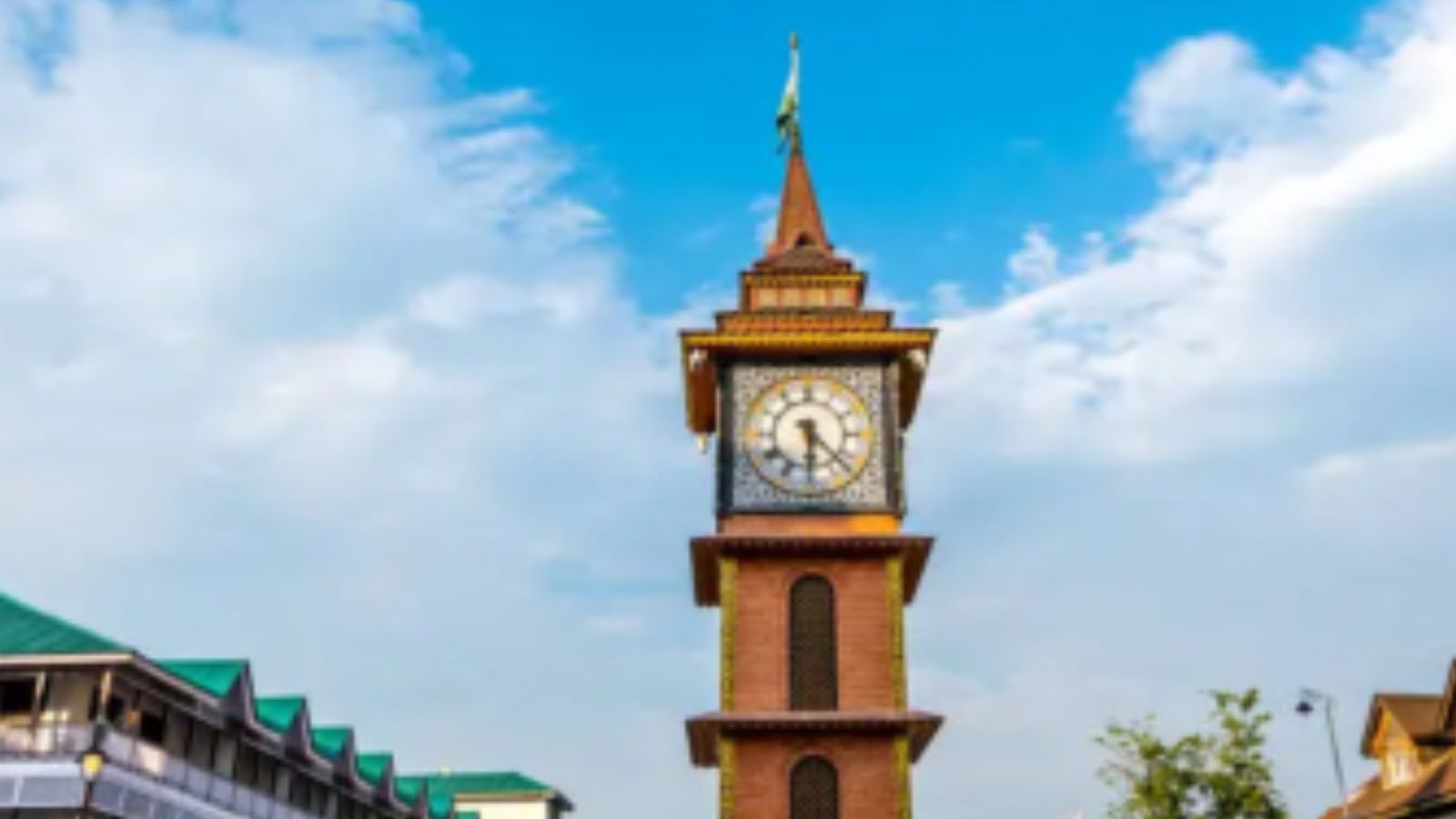
Allahabad High Court Questions Need for Firozabad Clock Tower

Indian Watch Brands Showcase A Legacy Of Innovation
India’s Watch Culture Grows as Mumbai Hosts Global Exhibition
Godrej Archive Traces Modern India Through Everyday Objects

Byculla Cha Raja Marks 75 Years With Iconic Idol

Artists Trace How Memory and Time Remain in Material

Industry Leaders Highlight India’s Telecom Growth at IMC 2026
Indian Swim Team Completes Historic Catalina Channel Double Crossing

Nokia’s India Expansion Faces High Local Component Costs

GSV Plans Nationwide Campuses After Achieving 100% Placements