Archive · 25 Sep 2025
Moon's Rust: Earth's Atmosphere Linked to Lunar Hematite
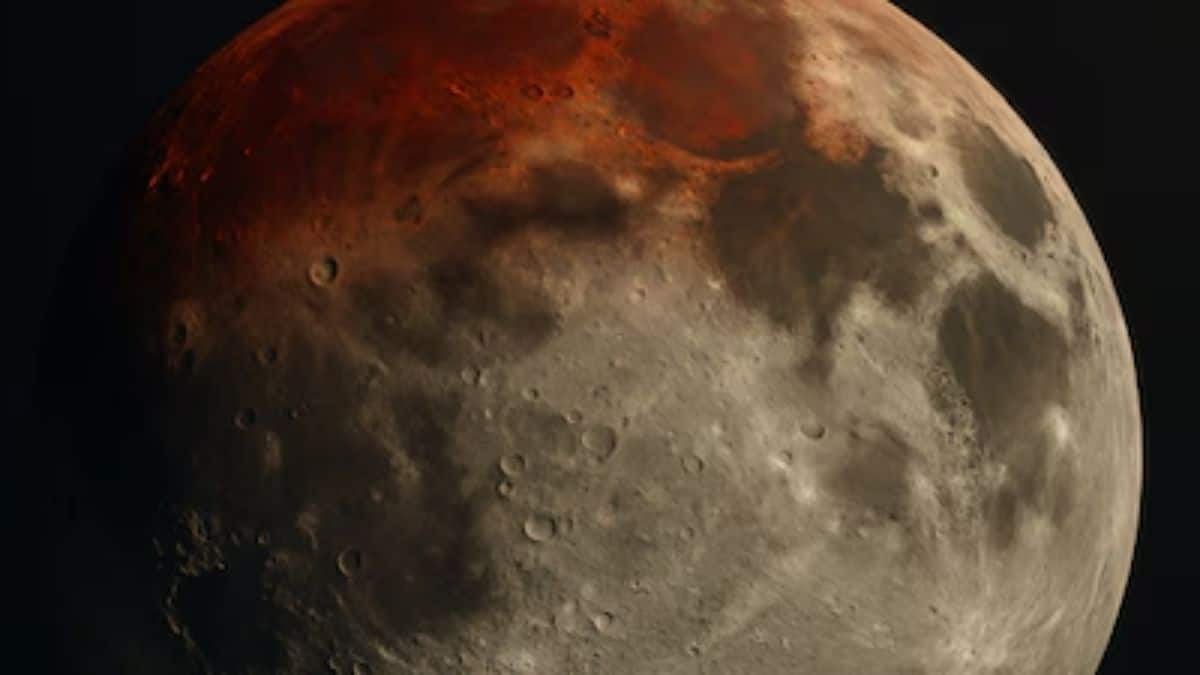
The Moon is getting rusty!
Scientists found rust, called hematite, on the Moon, especially at its poles.
Rust needs oxygen and water.
The Moon has little of both.
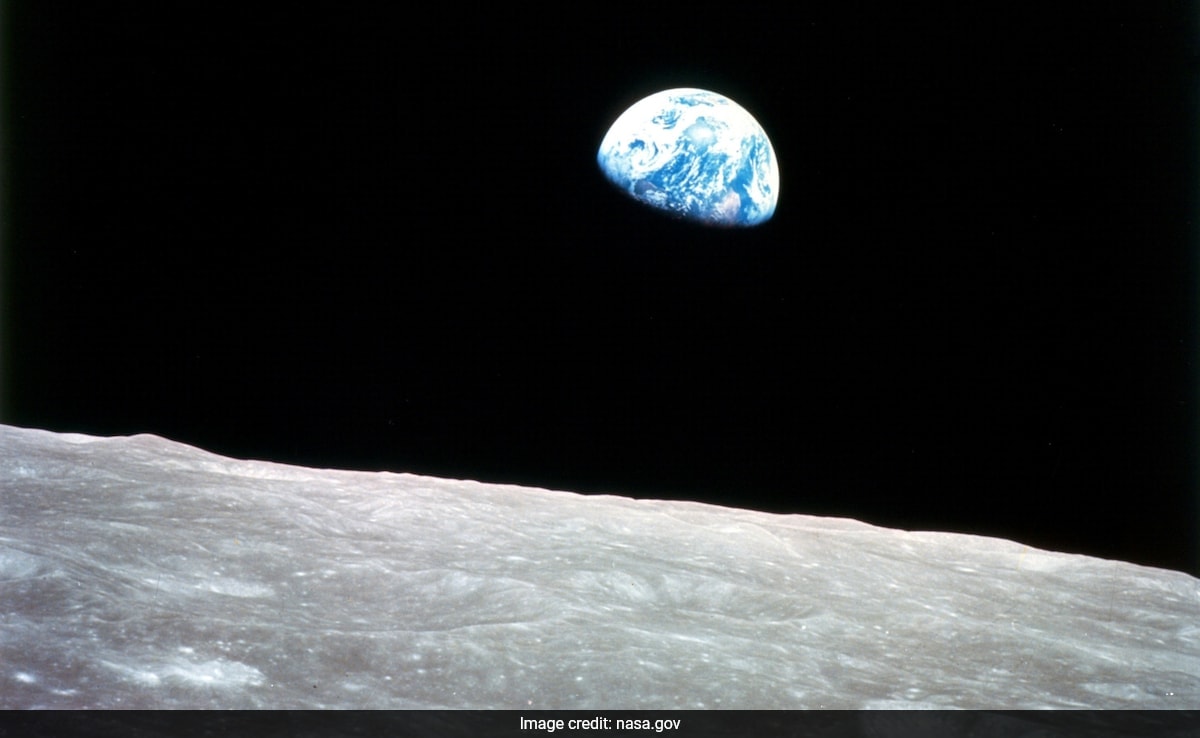
Scientists believe oxygen from Earth's atmosphere is causing the rust.
For about six days of the lunar cycle, the Moon passes through Earth's magnetic tail, which may allow oxygen to travel.
Also, Earth protects the Moon from some sun particles, helping the rusting process.
This discovery helps scientists better understand how Earth and the Moon connect.

Scientists have discovered hematite (rust) on the Moon's surface.
The rust is primarily found near the Moon's poles.
Scientists believe oxygen from Earth's atmosphere is a key factor.
The Moon passes through Earth's magnetotail, potentially allowing oxygen transfer.
Earth's magnetotail shields the Moon from solar winds, affecting oxidation.
- Who
- Scientists, including Ziliang Jin
- What
- Discovered hematite (rust) on the Moon's surface and linked Earth's atmosphere as a cause
- When
- Findings reported earlier this month
- Where
- On the Moon's surface, particularly at the poles
- Why
- To understand lunar environment and interaction with Earth.
- Discovery
- Hematite (rust) found on the Moon's surface, particularly near its poles
- Rust Component
- Hematite, a form of iron oxide
- Key Players
- Ziliang Jin (Macau University of Science and Technology)
- Earth's Role
- Oxygen from Earth's atmosphere may contribute to the rusting process
- Lunar Cycle
- Moon passes through Earth's magnetotail for about six days per cycle
- Solar Influence
- Earth's magnetotail shields Moon from solar winds, allowing oxidation