

Archive · 11 Dec 2025
2025's Top Scientific Discoveries: Quantum, Space, and Health Breakthroughs
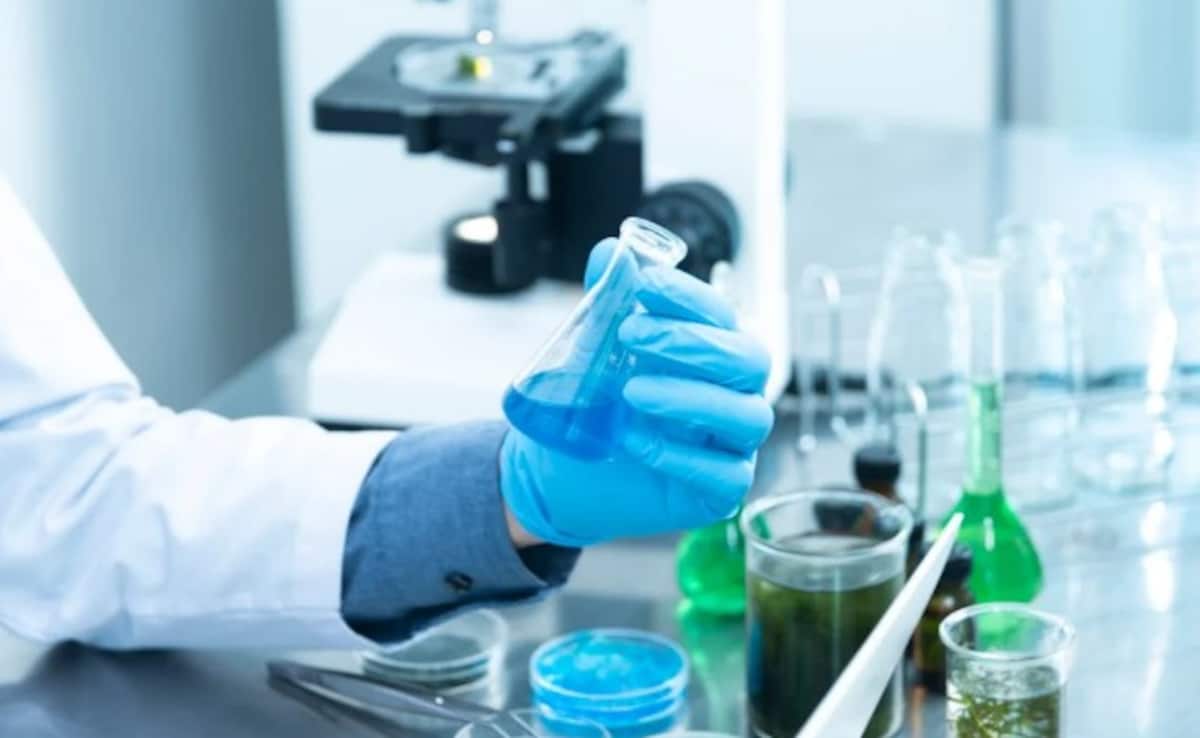
In 2025, scientists made amazing discoveries.
The James Webb Space Telescope found a super old galaxy and a new moon.
NASA sent two spacecraft to Mars.
Doctors used special tools to fix rare diseases and found new ways to fight HIV and malaria.
They also made a pill for menopause and a needle-free allergy treatment.
Quantum computers got better, and new batteries were created to help the environment.
Archaeologists found that Neanderthals used fire much earlier than we thought.
Finally, scientists saw algae moving in super cold ice and found sugars from space that might help explain how life started.

The James Webb Space Telescope discovered the most distant galaxy, MoM-z14, and a new Uranus moon, S/2025 U 1.
NASA's ESCAPADE mission launched to Mars, and 128 new moons were found orbiting Saturn.
New treatments for rare ovarian cancer, prostate cancer, and T-cell leukemia were developed, and CRISPR cured a metabolic disorder in a baby.
A new HIV PrEP, malaria antibodies, a non-hormonal menopause pill, and a needle-free allergy treatment were approved.
Quantum computing advances included Microsoft's Majorana 1 chip, and new sodium-ion and solid-state batteries were created.
- Who
- Scientists, researchers, and space agencies like NASA
- What
- Breakthroughs in space exploration, health, technology, archaeology, and biology
- When
- 2025
- Where
- Global, with specific discoveries in the US, England, and space
- Why
- To advance knowledge, improve health, and understand the universe
- Space
- JWST discovered the most distant galaxy, MoM-z14, and a new Uranus moon, S/2025 U 1. NASA launched ESCAPADE to Mars, and 128 new Saturn moons were found.
- Health
- New treatments for rare ovarian cancer, prostate cancer, and T-cell leukemia. CRISPR cured a metabolic disorder, and a new HIV PrEP and malaria antibodies were approved.
- Technology
- Quantum computing advances with Microsoft's Majorana 1 chip. New sodium-ion and solid-state batteries, and CO₂-capturing material from plastic bottles.
- Archaeology
- Neanderthals used fire 400,000 years ago in Suffolk, England.
- Biology
- Algae moved in ice at -15°C, and asteroid Bennu samples contained life-essential sugars.