

Archive · 8 Jan 2026
Drones Detect Deadly Whale Virus in Arctic
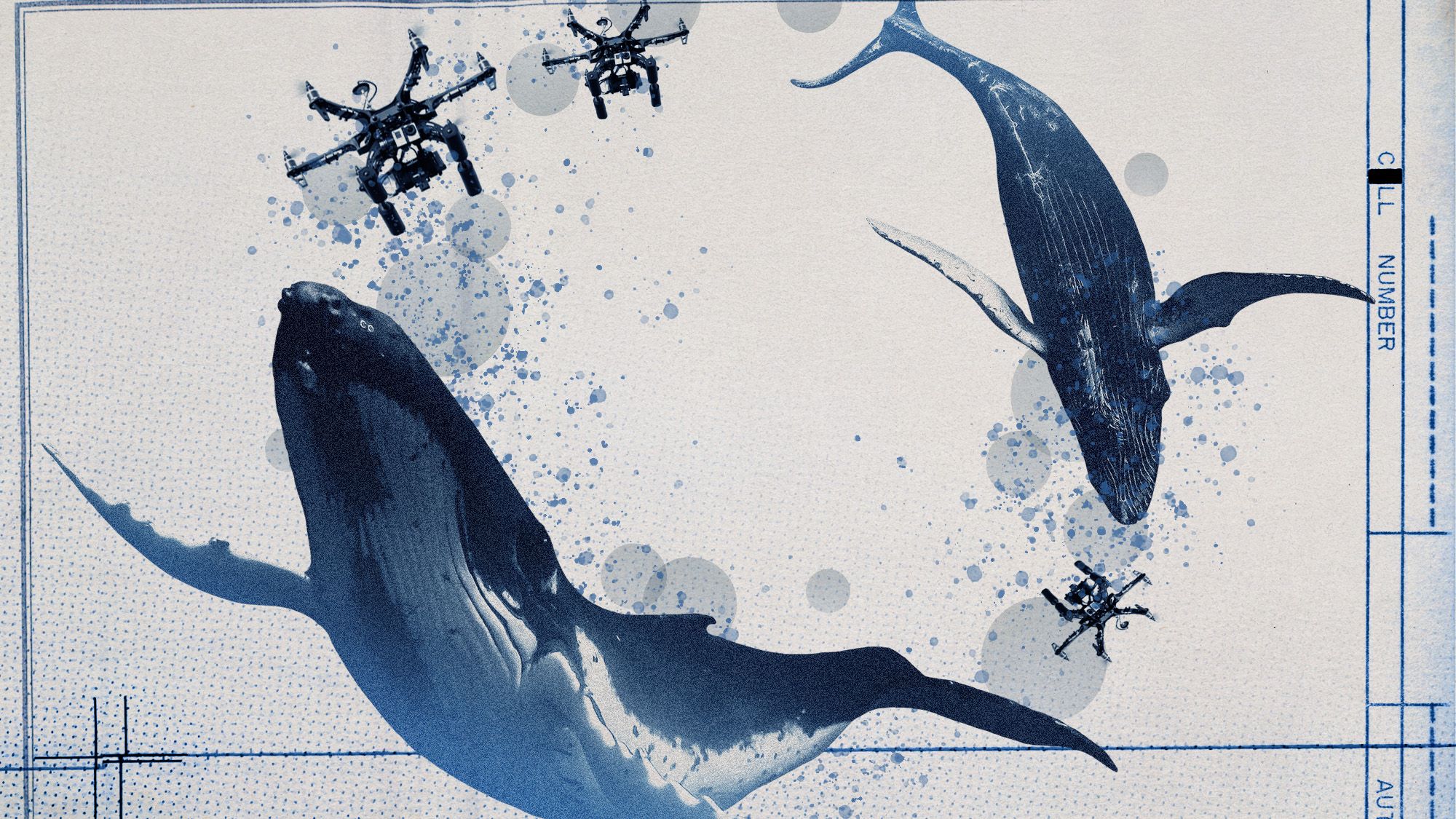
Scientists have found a dangerous virus in whales in the Arctic using drones.
The drones collect breath samples from whales, which help researchers check for diseases without harming the animals.
This virus, called Cetacean morbillivirus, can make whales very sick.
Normally, studying whales is hard because they live in remote places, and taking samples usually involves getting close to them with boats.
But drones make it easier and safer.
The researchers hope to keep using this method to protect whales from diseases, especially as climate change and human activities affect their habitats.
They also suggest ways to help sick whales, like changing shipping routes to avoid them.

Drones collected breath samples from humpback, sperm, and fin whales in the northeast Atlantic, detecting a potentially deadly virus called Cetacean morbillivirus.
The virus can cause severe disease and immunosuppression in cetaceans, with previous outbreaks leading to mass die-offs.
Traditional sampling methods are invasive and stressful for whales, but drone technology allows for minimal disturbance.
Researchers emphasize the importance of long-term surveillance to understand how stressors like climate change and human activity impact whale health.
Potential interventions to help sick whales include altering shipping lanes and limiting human-whale interactions if the disease poses a risk to humans.
- Who
- Researchers led by Helena Costa, with Terry Dawson from King's College London
- What
- Detection of a potentially deadly whale virus using drones
- When
- Study published in BMC Veterinary Research (exact date not specified)
- Where
- Northeast Atlantic, above the Arctic Circle
- Why
- To monitor and diagnose whale health minimally invasively, especially in remote Arctic regions
- Study Journal
- BMC Veterinary Research
- Whale Species Studied
- Humpback, Sperm, and Fin Whales
- Virus Detected
- Cetacean morbillivirus
- Research Method
- Drone-collected whale breath samples
- Research Location
- Northeast Atlantic, above the Arctic Circle
- Potential Impact of Virus
- Immunosuppression and severe disease in cetaceans
- Lead Author
- Helena Costa
- Co-Author and Professor
- Terry Dawson, King's College London