

Archive · 19 Aug 2025
Salmonella: Causes, Prevention, and How to Stay Safe
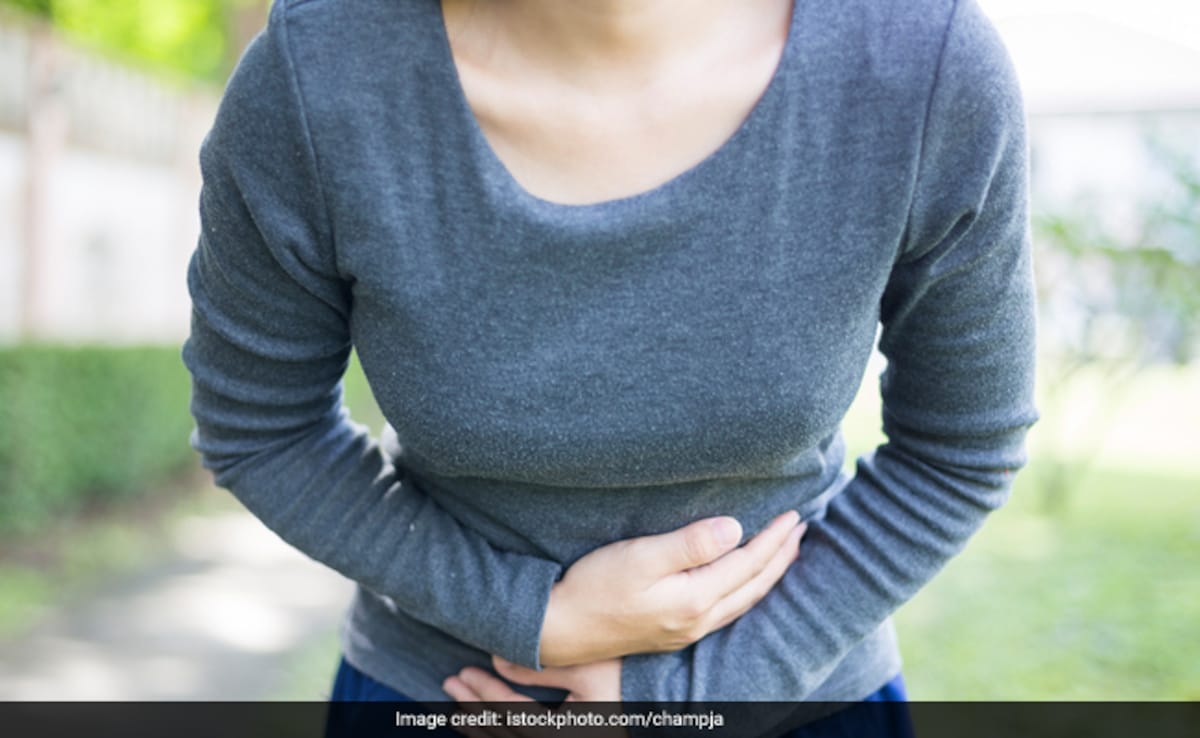
Salmonella is a germ that can make you sick if you eat contaminated food.
It often causes tummy troubles like diarrhoea and fever.
You can catch it from undercooked food, especially meat and eggs, or from unwashed fruits and veggies.
To stay healthy, cook food well, wash your hands often, and keep your kitchen clean.
Avoid touching animals like reptiles and amphibians, which can carry the germ.
If you follow these steps, you can avoid getting sick from Salmonella.

Salmonella is a bacteria causing the foodborne illness salmonellosis.
Infections result from consuming contaminated food or water.
Symptoms include diarrhoea, fever, and abdominal cramps.
Undercooked meat, eggs, and unpasteurised products are primary sources.
Preventive measures include proper food handling and hygiene practices.
- Who
- Salmonella can infect anyone, but is particularly dangerous for young children, older adults, and people with weakened immune systems.
- What
- Salmonella is a bacteria causing the foodborne illness salmonellosis.
- When
- Symptoms can appear within a week of infection.
- Where
- Salmonella infections can occur worldwide.
- Why
- Salmonella infections occur from consuming contaminated food or water.
- Illness Type
- Foodborne
- Common Symptoms
- Diarrhoea, Abdominal Cramps, Fever, Nausea, Vomiting
- Primary Sources
- Undercooked meat, eggs, seafood, unpasteurised milk
- Risk Factors
- Poor hygiene, unsafe food handling
- Preventative Measures
- Thorough cooking, handwashing, avoiding cross-contamination
- Animal Risk
- Reptiles and amphibians can carry Salmonella
- Temperature for Cooking
- 74°C (165°F) for chicken