Archive · 19 Sep 2026
Supreme Court Stays Ruling Against Income Tax Section 147A

Section 147A is a rule about which tax officers can issue certain reassessment notices.
It says local tax officers, rather than the National Faceless Assessment Centre, can do this work.
The Punjab and Haryana High Court said the rule was unconstitutional.
It also cancelled some notices because they were not sent through the required automated and faceless process.
The Union government and tax authorities disagreed with that decision.
They asked the Supreme Court to review it.
The Supreme Court has temporarily paused the High Court’s ruling.
The related tax proceedings must also pause until the case is finally decided.
The Supreme Court plans to hear the main case on December 3, 2026.

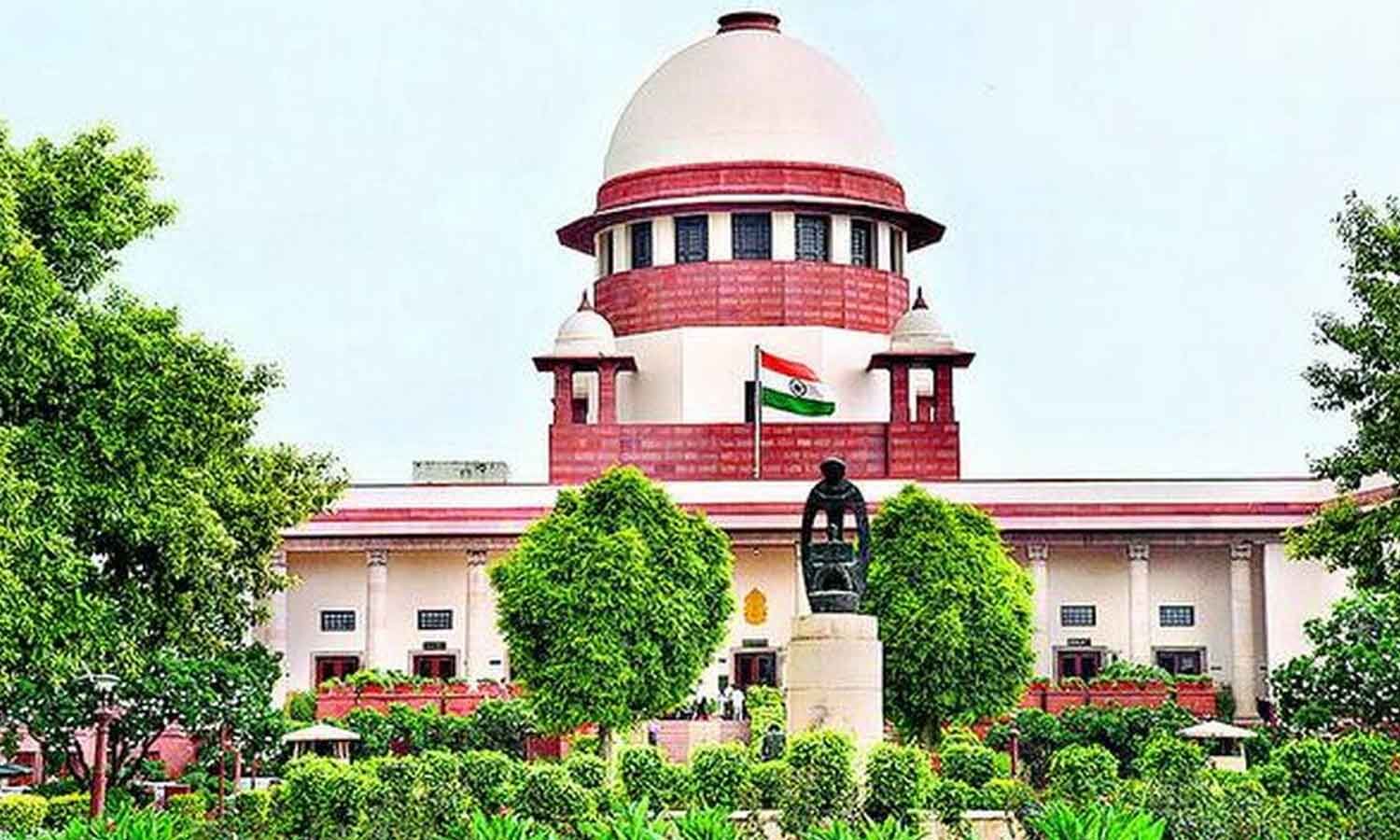
The Supreme Court stayed the Punjab and Haryana High Court judgment declaring Section 147A unconstitutional.
The stay was granted while hearing the Union government and tax authorities’ challenge to the High Court ruling.
Assessment and reassessment proceedings linked to the case cannot continue until the Supreme Court gives its final decision.
The High Court had also set aside Section 148 notices issued by jurisdictional officers without randomised allocation and faceless processing.
The Supreme Court listed the matter for final hearing on December 3, 2026.
- Who
- The Supreme Court, the Union government, the Central Board of Direct Taxes, other income tax authorities, and petitioners affected by reassessment notices.
- What
- The Supreme Court stayed a Punjab and Haryana High Court judgment declaring Section 147A of the Income Tax Act unconstitutional and setting aside certain Section 148 notices.
- When
- The interim stay was issued on Friday; the final hearing is scheduled for December 3, 2026. Section 147A applies retrospectively from April 1, 2021.
- Where
- The dispute concerns the Punjab and Haryana High Court and the Supreme Court in New Delhi.
- Why
- The Union government and income tax authorities challenged the High Court’s ruling on Section 147A and its finding that certain notices were invalid because they did not follow randomised allocation and faceless processing.
Petitioners and High Court Position
Union Government and Tax Authorities
Constitutionality of Section 147A
Petitioners and High Court Position
The petitioners challenged Section 147A under Articles 14, 19(1)(g), and 265, and the Punjab and Haryana High Court declared it unconstitutional.
Union Government and Tax Authorities
The Union government, the Central Board of Direct Taxes, the Deputy Commissioner of Income Tax, and the National Faceless Assessment Centre appealed to the Supreme Court against that decision.
Retrospective legislative change
Petitioners and High Court Position
The High Court held that the legislature could not retrospectively declare a legal position valid in a way that circumvented constitutional courts’ findings about the earlier procedure.
Union Government and Tax Authorities
The government’s appeal seeks consideration of the amended provision’s validity, scope, effect, retrospectivity, and applicability.
Issuance of reassessment notices
Petitioners and High Court Position
The High Court held that notices issued by jurisdictional Assessing Officers were unsustainable when they bypassed randomised allocation and the faceless process required under Section 151A and its scheme.
Union Government and Tax Authorities
The tax authorities challenged the ruling; the Supreme Court has stayed its operation while requiring the related assessment proceedings to remain paused.
- Disputed provision
- Section 147A of the Income Tax Act, 1961
- Purpose of Section 147A
- It defines the Assessing Officer for Sections 148 and 148A as an officer other than the National Faceless Assessment Centre or its assessment units.
- Retrospective effect
- April 1, 2021
- High Court ruling
- The Punjab and Haryana High Court declared Section 147A unconstitutional on September 10 and set aside certain Section 148 notices.
- Interim Supreme Court direction
- Related assessment and reassessment proceedings must not proceed until final disposal of the case.
- Supreme Court bench
- Justices J.B. Pardiwala and K. Vinod Chandran
- Next hearing
- December 3, 2026