

Archive · 18 Sep 2025
India's Smart Cities: Public-Private Partnerships Explained
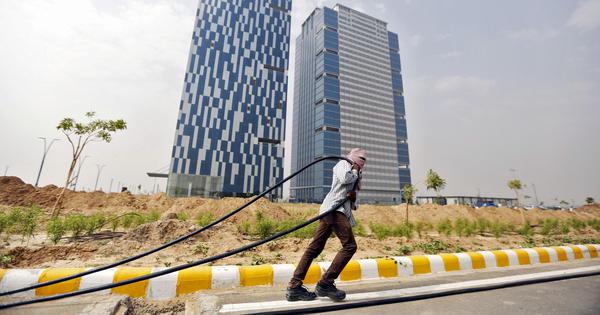
India is working on making its cities smarter.
They chose 100 cities to upgrade with new technology and infrastructure.
This will cost a lot of money.
To pay for it, they're using Public-Private Partnerships, where private companies help build and run things.
This means the public might have to pay extra fees.
Some people worry this is a problem, because services become more expensive, and the plans might create debt.
The government hopes the plan will improve cities.

Smart Cities Mission launched in 2015 to modernize 100 urban areas.
Mission estimated to cost Rs 7 lakh crore over 20 years.
Public-Private Partnerships are a key part of project implementation.
Funding comes from central and state governments and other sources.
Model has been implemented despite past failures, according to some critics.
- Who
- India's Ministry of Urban Development and private partners
- What
- Implementing the Smart Cities Mission via Public-Private Partnerships
- When
- Launched in 2015
- Where
- 100 selected urban areas across India
- Why
- To modernize infrastructure and improve efficiency.
Concerns with PPP Model
N/A
Financial Impact
Concerns with PPP Model
Can create high fiscal cost, hidden debt due to high capital costs and profit expectations.
N/A
N/A
Service Delivery
Concerns with PPP Model
Private companies may prioritize profits over citizen needs, potentially increasing service costs.
N/A
N/A
- Mission Goal
- Modernize 100 urban areas with tech & infrastructure
- Estimated Cost
- Rs 7 lakh crore (~$105 billion) over 20 years
- Central Government Allocation
- Rs 48,000 crore initially
- Funding Sources
- Central/State funds, municipal bonds, user charges
- Key Partners
- Private sector, World Bank, Asian Development Bank