

Archive · 18 Jan 2026
Gender-Diverse Roles in Ancient Mesopotamia
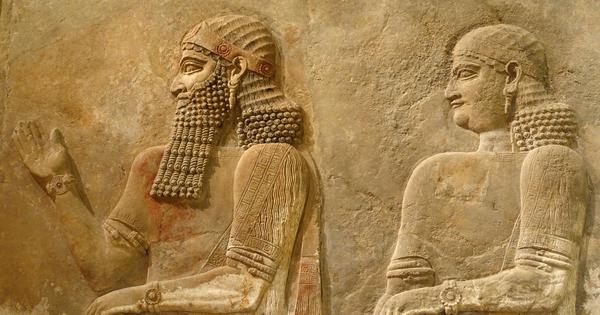
A long time ago in a place called Mesopotamia, people who were not just male or female had special jobs.
These people were called assinnu and ša rēši.
The assinnu worked in temples for the goddess Ištar, who could change their gender.
The ša rēši worked in the king's palace and were very important.
They could do things that other men couldn't, like go into the women's quarters.
These people were respected because of their unique gender, not in spite of it.
This shows that in some ancient societies, people who were different were valued and had important roles.

Gender-diverse individuals in ancient Mesopotamia held important religious and political roles.
Assinnu were religious servants of the goddess Ištar and were believed to have magical and healing powers.
Ša rēši were high-ranking royal courtiers who were closely trusted by the king and could lead armies.
Their gender ambiguity was seen as a gift from Ištar, allowing them to perform unique and powerful roles in society.
These individuals were respected and held positions of power because of their gender diversity, not despite it.
- Who
- Gender-diverse individuals in ancient Mesopotamia, including assinnu and ša rēši
- What
- These individuals held important religious and political roles
- When
- Around 4,500 years ago
- Where
- In the region of Mesopotamia, which includes modern Iraq and parts of Syria, Turkey, and Iran
- Why
- Their gender ambiguity was seen as a gift from the goddess Ištar, allowing them to perform unique and powerful roles in society
- Region
- Modern Iraq, parts of Syria, Turkey, and Iran
- Time Period
- 4,500 years ago
- Deity
- Ištar (Inanna)
- Professional Titles
- Assinnu, ša rēši
- Writing System
- Cuneiform
- Cultural Groups
- Sumerians, Akkadians, Assyrians, Babylonians
- Gender Fluidity
- Bestowed by Ištar
- Political Influence
- Assinnu could influence kings