

Archive · 20 May 2025
Fascinating Scorpion Facts: From Ancient Origins to Survival Skills
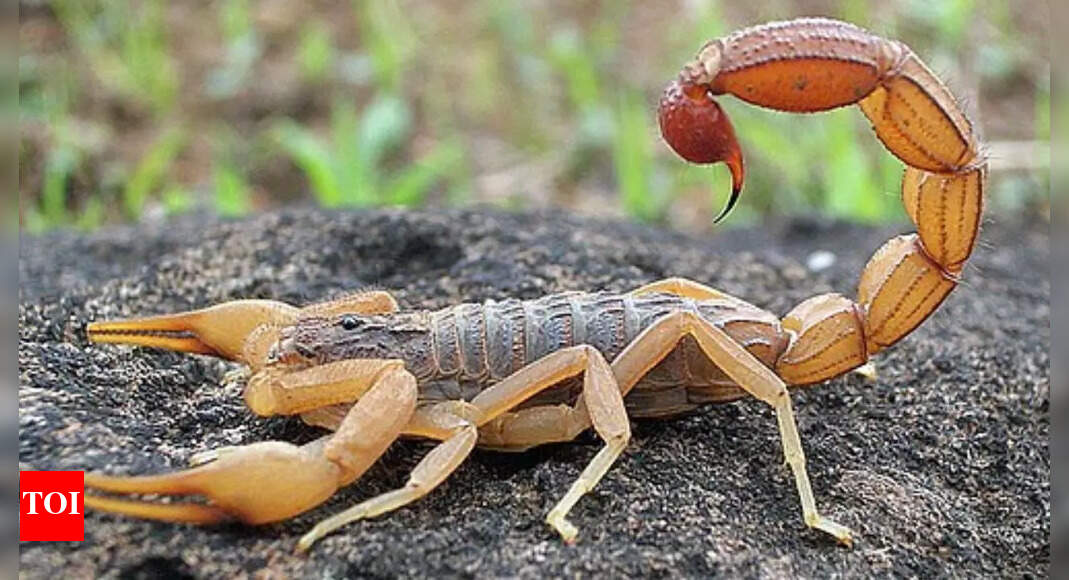
Scorpions are like tiny, ancient tanks that have been around for a very long time!
They're related to spiders and have pincers and stingers.
Unlike insects, they have live babies.
Scorpions can live a long time, especially in captivity, and are super tough, able to survive without food for ages!
They also glow in the dark under special lights and have a cool dance they do before they mate.
While they have venom, most scorpions aren't dangerous to people, and they play a vital role in controlling insect populations.
They are some of the most resilient creatures on Earth.

Scorpions are ancient arachnids with a lineage over 400 million years old.
They give birth to live young, a process called viviparity, and can live up to 25 years.
Scorpions are remarkably resilient, capable of surviving long periods without food and being submerged in water.
Scorpions engage in a unique courtship ritual called 'promenade à deux' before mating.
Scorpions glow under ultraviolet light and produce venom but pose little threat to humans.
- Who
- Ancient predators, members of the arachnid family, including over 2,000 species of scorpions.
- What
- Arthropods with pincers and venomous stingers, known for their ability to glow under UV light and unique mating rituals.
- When
- Dating back over 400 million years, with ancestors from the Carboniferous period.
- Where
- Found globally, excluding Antarctica, thriving in deserts, forests, and grasslands.
- Why
- Scorpions have adapted to survive harsh conditions. They are built for survival, using little oxygen and getting moisture from their food.
Potential threats
Positive aspects
Predation
Potential threats
Some species' venom is dangerous, as it is potent enough to harm humans.
Positive aspects
Most species are not dangerous to humans and play a vital role in controlling insect populations.
- Evolutionary History
- Over 400 million years
- Global Distribution
- Found on every continent except Antarctica
- Lifespan
- 2 to 10 years (in the wild), up to 25 years (in captivity)
- Family
- Arachnida
- Reproduction Method
- Viviparity
- Survival Abilities
- Can survive a year without eating