

Archive · 14 Sep 2025
NFTs: A Deep Dive Into Digital Collectibles and Their Impact
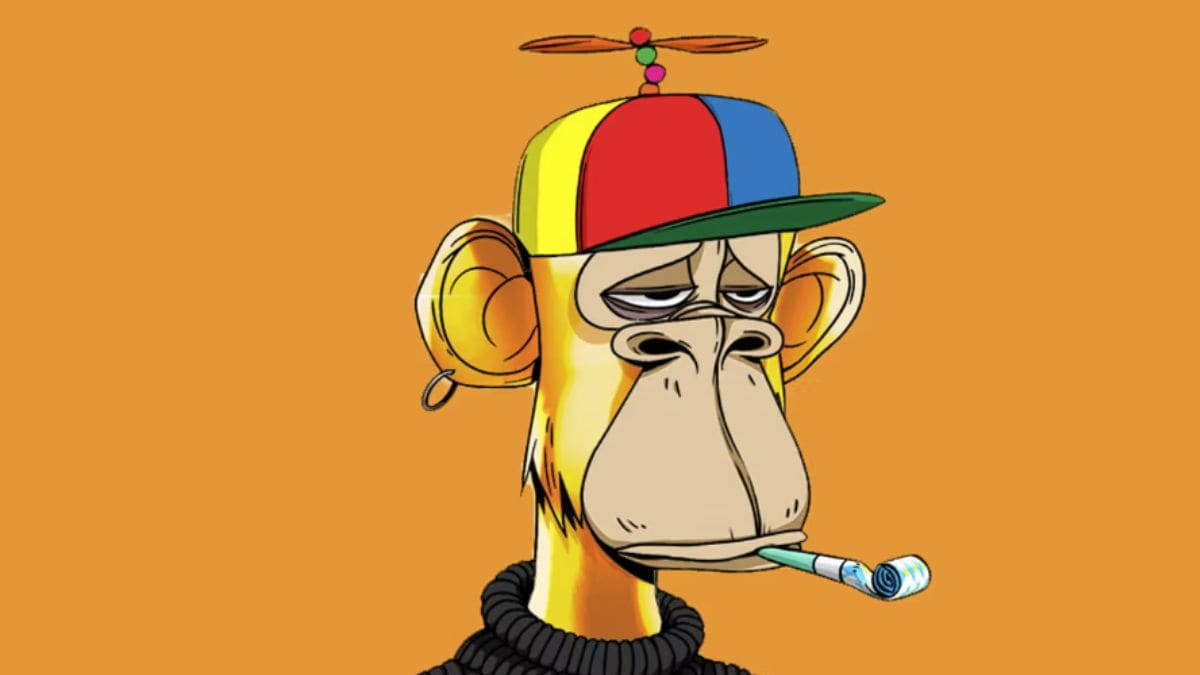
Imagine digital trading cards, but each one is unique and can't be copied.
That's an NFT.
These are digital assets like art, music, or collectibles, with each one having its own special code, making it one-of-a-kind.
You can buy, sell, and trade them, just like physical items.
NFTs use something called blockchain technology, which makes sure everyone knows who owns what.
The first NFTs came around 2014 but really took off around 2021.
The technology enables artists and creators to get paid whenever their digital work is resold.
Many big companies and celebrities use them, and their uses continue to evolve, from collectibles to loyalty programs.

NFTs are unique digital assets, verifiable on a blockchain.
Early NFTs included CryptoPunks and CryptoKitties.
OpenSea is a dominant marketplace for NFTs.
NBA Top Shot was one of the first mainstream NFT projects.
NFTs offer new possibilities for digital ownership and monetization.
- Who
- Artists, collectors, brands, and marketplaces are involved in the NFT space.
- What
- NFTs are unique digital assets representing ownership, traded on blockchains.
- When
- NFTs gained prominence in 2017 with the launch of CryptoPunks and CryptoKitties, with a boom from 2020-2022.
- Where
- NFTs exist primarily online, traded on marketplaces such as OpenSea.
- Why
- NFTs provide verifiable ownership of digital assets, and offer new ways for creators to monetize work.
- Initial NFT
- Quantum, 2014
- Notable NFT Project
- CryptoPunks, CryptoKitties, Bored Ape Yacht Club
- NFT Marketplace Dominance
- OpenSea
- NBA Top Shot Launch
- October 2020
- 2025 Global NFT Market Value (est.)
- $49 Billion