

Archive · 22 Dec 2025
Pulses Prices Expected to Stay Stable
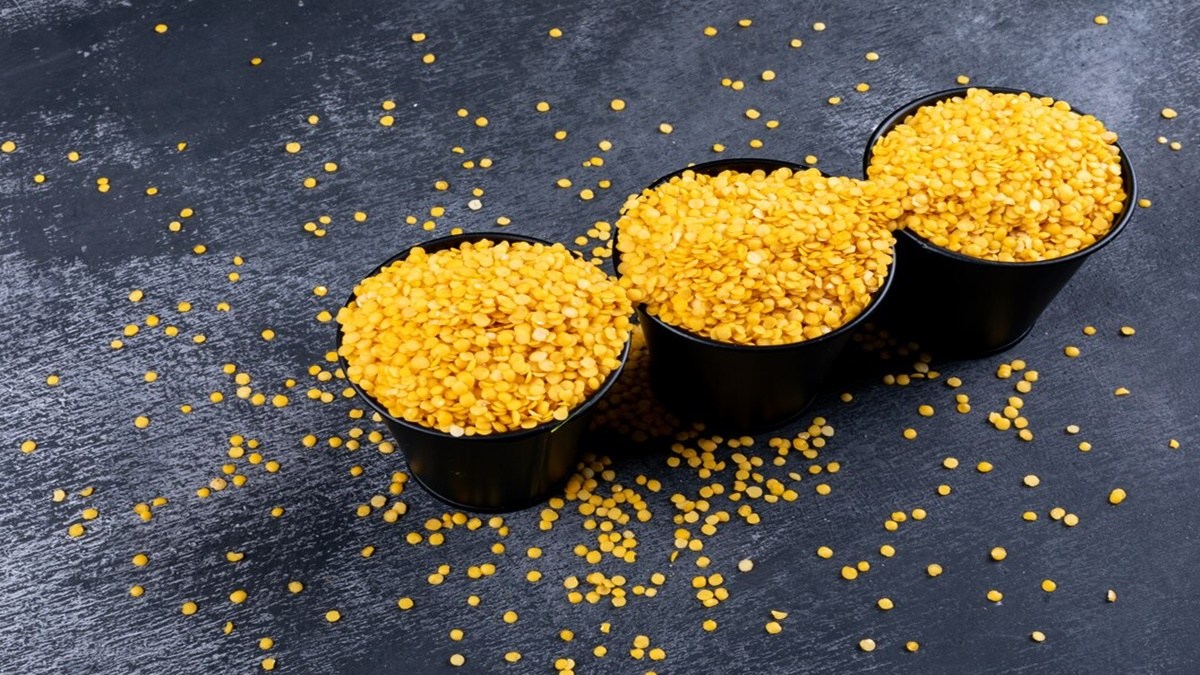
The prices of pulses like gram, lentils, and urad are expected to stay stable in the coming months.
This is because the government has a good amount of pulses stored, and farmers have planted more pulses this year.
The weather is also good for growing these crops.
The government has also decided to continue agreements with other countries to import pulses duty-free for another five years.
India imports a lot of pulses from countries like Mozambique, Myanmar, and Malawi.
The government wants to make India self-sufficient in pulses by 2030 and has allocated a lot of money to increase production.

Pulses prices expected to remain stable due to higher rabi sowing and adequate buffer stock.
Rabi pulses sowing increased by 14.5% year-on-year to 13.4 million hectares.
Government to extend MoUs with Mozambique, Myanmar, and Malawi for duty-free pulse imports for five years from April 2026.
India aims to increase pulses production to 35 million tonnes by 2030-31 from 25.68 million tonnes in 2024-25.
Government allocated Rs 11,440 crore to achieve self-sufficiency in pulses production.
- Who
- Department of Consumer Affairs, Government of India
- What
- Pulses prices are expected to remain stable due to better crop prospects and adequate buffer stock
- When
- The stability is expected in the coming months, with MoUs extended from April 2026
- Where
- India, with imports from Mozambique, Myanmar, Malawi, and other countries
- Why
- Due to increased sowing areas, conducive weather conditions, and adequate buffer stock
- Buffer Stock
- 2 million tonnes
- Rabi Sowing Increase
- 14.5% year-on-year
- Annual Imports from Mozambique
- 0.2 million tonnes of tur
- Annual Imports from Myanmar
- 0.1 million tonnes of tur and 0.25 million tonnes of urad
- Annual Imports from Malawi
- 50,000 tonnes of tur
- Pulses Production Target
- 35 million tonnes by 2030-31
- Government Allocation for Pulses
- Rs 11,440 crore
- Current Pulses Production
- 25.68 million tonnes in 2024-25
