Archive · 22 Sep 2026
NHAI Issues Uniform Design Rules for High-Speed Highways
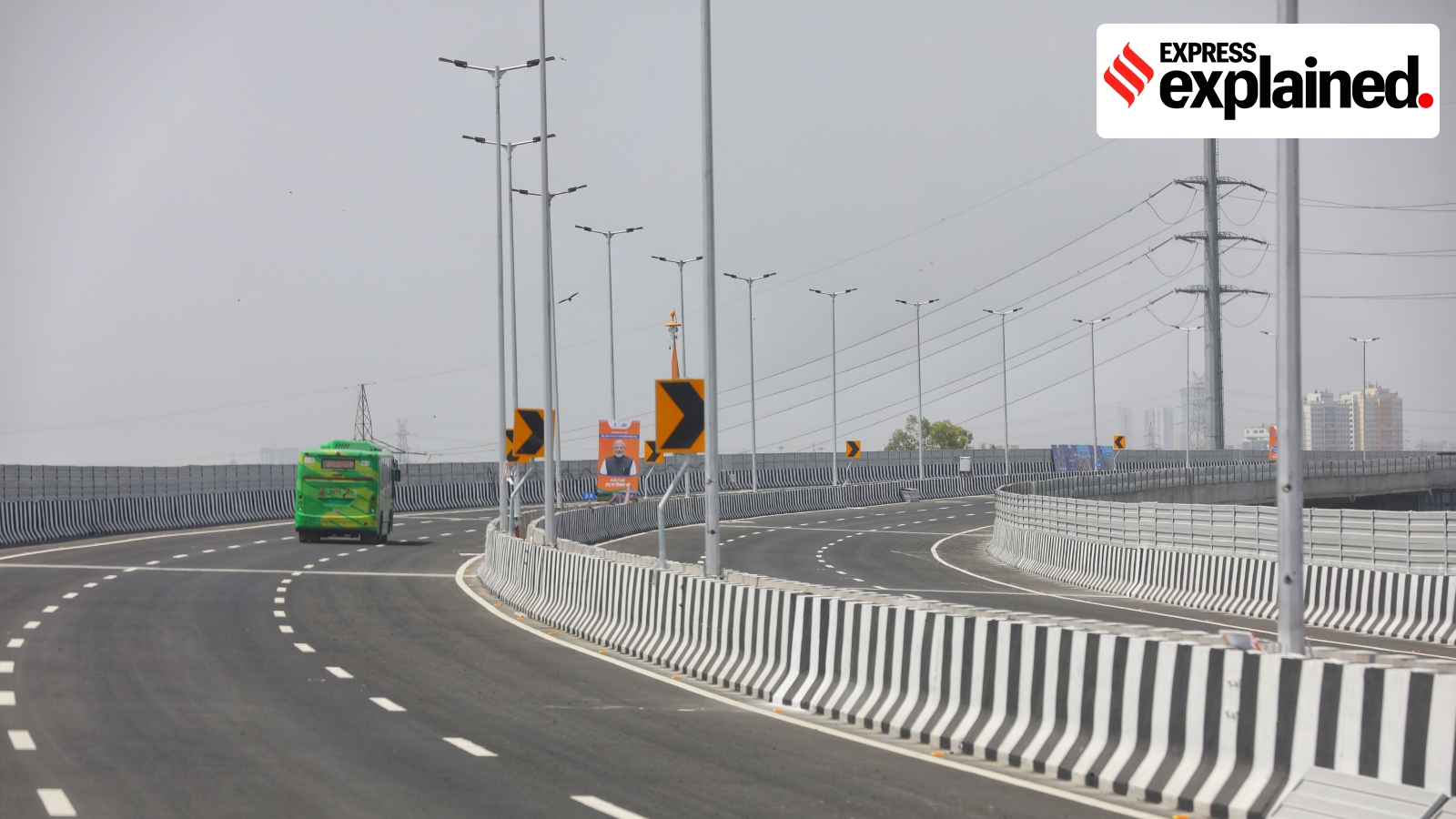
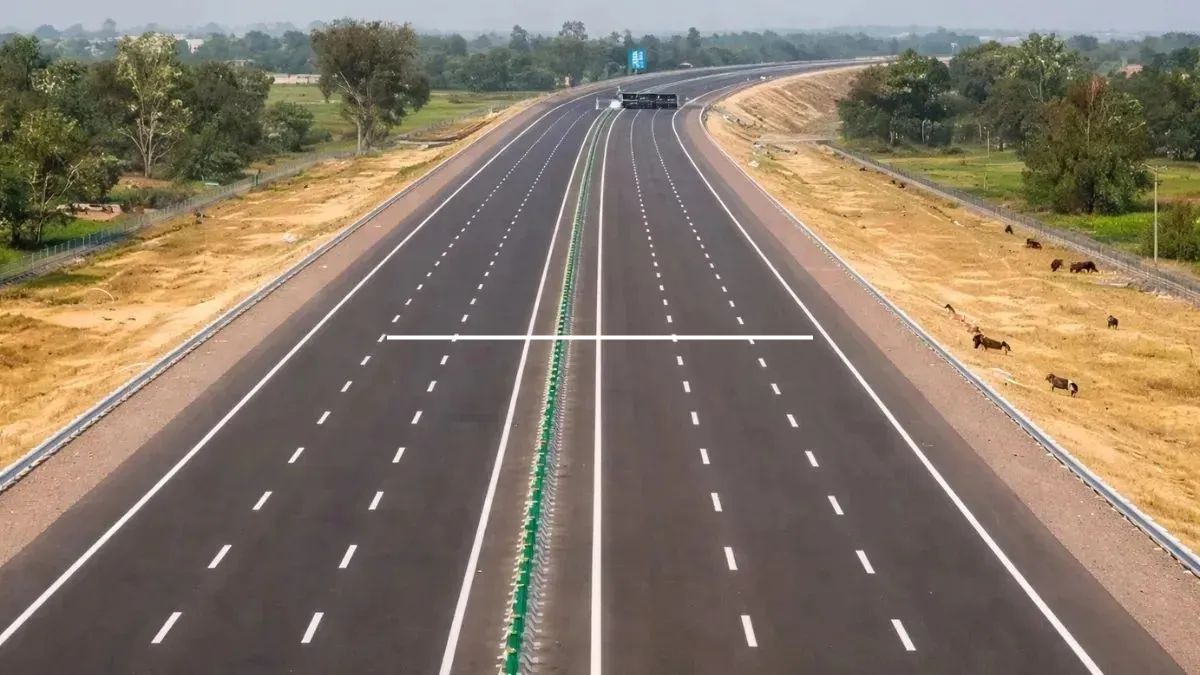
India is creating common rules for some very fast highways.
These roads are access-controlled, meaning vehicles can enter and leave only at planned places.
Expressways are excluded from the framework described in the first report.
The number of lanes will depend on how much traffic a road carries.
Busier roads will have wider roads or larger structures.
Roads must not have normal crossings where other roads meet them.
Drivers will receive warning signs well before exits.
Fences or concrete walls will help stop people from entering the highways illegally.
The rules also prepare corridors for barrier-less toll collection and require features such as service roads and safer pedestrian access.
India is planning a much larger high-speed road network, although the reports cite different dates for some long-term targets.

NHAI issued uniform design and safety standards for upcoming four- and six-lane access-controlled national highways, excluding expressways.
The framework aims to eliminate differing technical standards used in Detailed Project Reports for these projects.
Road width and structures will depend on traffic: four lanes up to 15,000 vehicles, four lanes with six-lane structures from 15,000 to 25,000, and six lanes above that up to 40,000.
The rules require controlled access through ramps, no at-grade intersections, advance exit signs, corridor boundary walls and provisions for barrier-less tolling.
India’s operational high-speed corridor network is about 3,052 kilometres, while reported expansion targets range from 18,000 kilometres by 2028-29 to 50,000 kilometres under longer-term plans.
- Who
- The National Highways Authority of India (NHAI).
- What
- Introduced uniform design, traffic-planning and safety rules for upcoming high-speed access-controlled national highways.
- When
- The rules were issued as India prepares to expand its high-speed road network; the articles do not give an exact issuance date.
- Where
- Across India’s planned access-controlled national highway network.
- Why
- To make project planning more consistent and improve safety, access control and traffic assessment on high-speed corridors.
- Covered projects
- Upcoming four- and six-lane greenfield and brownfield access-controlled national highways, other than expressways.
- Traffic up to 15,000 vehicles
- Four-lane highway, four-lane structures and a 60-metre corridor.
- Traffic from 15,000 to 25,000 vehicles
- Four-lane highway, six-lane structures and a 70-metre corridor.
- Traffic from 25,000 to 40,000 vehicles
- Six-lane highway, six-lane structures and a 70-metre corridor.
- Access and signage
- No at-grade intersections; access must use designed ramps, with exit signs placed 5 km, 2 km, 1 km and 500 metres in advance.
- Network status
- About 3,052 km of access-controlled national high-speed corridors and expressways were operational; 10,389 km had been awarded, with 4,809 km completed and 5,580 km under implementation.
- Expansion targets
- One report cites 18,000 km operational by 2028-29 and 26,000 km awarded by 2032-33; another cites 50,000 km by 2036-37, while the first gives 50,000 km by 2047.