

Archive · 31 Oct 2025
Mukul Kesavan Reflects on the 1984 Anti-Sikh Violence
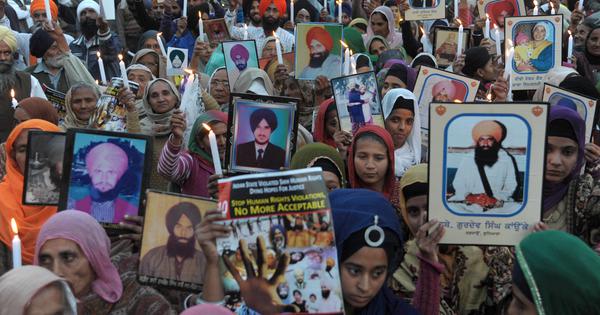
A writer named Mukul Kesavan is thinking back to a terrible time in 1984 when people were hurt just because they were Sikhs.
He remembers how Sikhs were targeted, and he wonders how Sikhs managed to go about their daily lives after such violence.
He imagines what he might do if he were in their shoes, perhaps trying to hide his identity to be safe.
He thinks about how majorities have historically been involved in hurting minorities.
The writer feels that it's hard to truly understand what victims went through, but he expresses strong sympathy and talks about how he plays his role in society.

Mukul Kesavan reflects on the anti-Sikh violence that began on October 31, 1984.
He recounts how Sikhs were targeted, with gangs stopping buses and killing men based on their appearance.
Kesavan questions when Sikhs, who contributed significantly to Delhi's urban landscape, became less visible.
He considers how Sikhs continued their daily lives, like taking the bus to school, after the violence subsided.
The author explores themes of minority experiences, empathy, and his own role and reactions to such events.
- Who
- Mukul Kesavan
- What
- Reflecting on the 1984 violence against Sikhs and the experience of being a minority.
- When
- October 31, 1984, and the subsequent period.
- Where
- Delhi
- Why
- The author reflects on the violence that occurred following Indira Gandhi's assassination and questions the societal changes and sense of security for Sikhs.
Author's Reflection
Societal Observation
Personal Experience vs. Majority Behavior
Author's Reflection
Kesavan deeply considers his own hypothetical actions and fears ('How far would I have gone to get away?') if he were targeted, imagining attempts to alter his appearance to survive.
Societal Observation
He observes that 'pogroms all majorities have form,' suggesting a pattern of majority groups inflicting harm on minorities throughout history.
Empathy and Understanding
Author's Reflection
Kesavan finds it difficult to truly relive the experience of murder and feels that empathy requires 'feeling like the other felt,' concluding his own feeling is 'ardent sympathy'.
Societal Observation
He notes the societal shift where Sikhs became 'rare sightings' and questions the timing of this marginalization, linking it to the violence and subsequent elections.
- Date of Violence
- October 31, 1984
- Author's Age at the Time
- 27