

Archive · 8 Sep 2026
Blood Pressure Reading of 137/86: What It Means
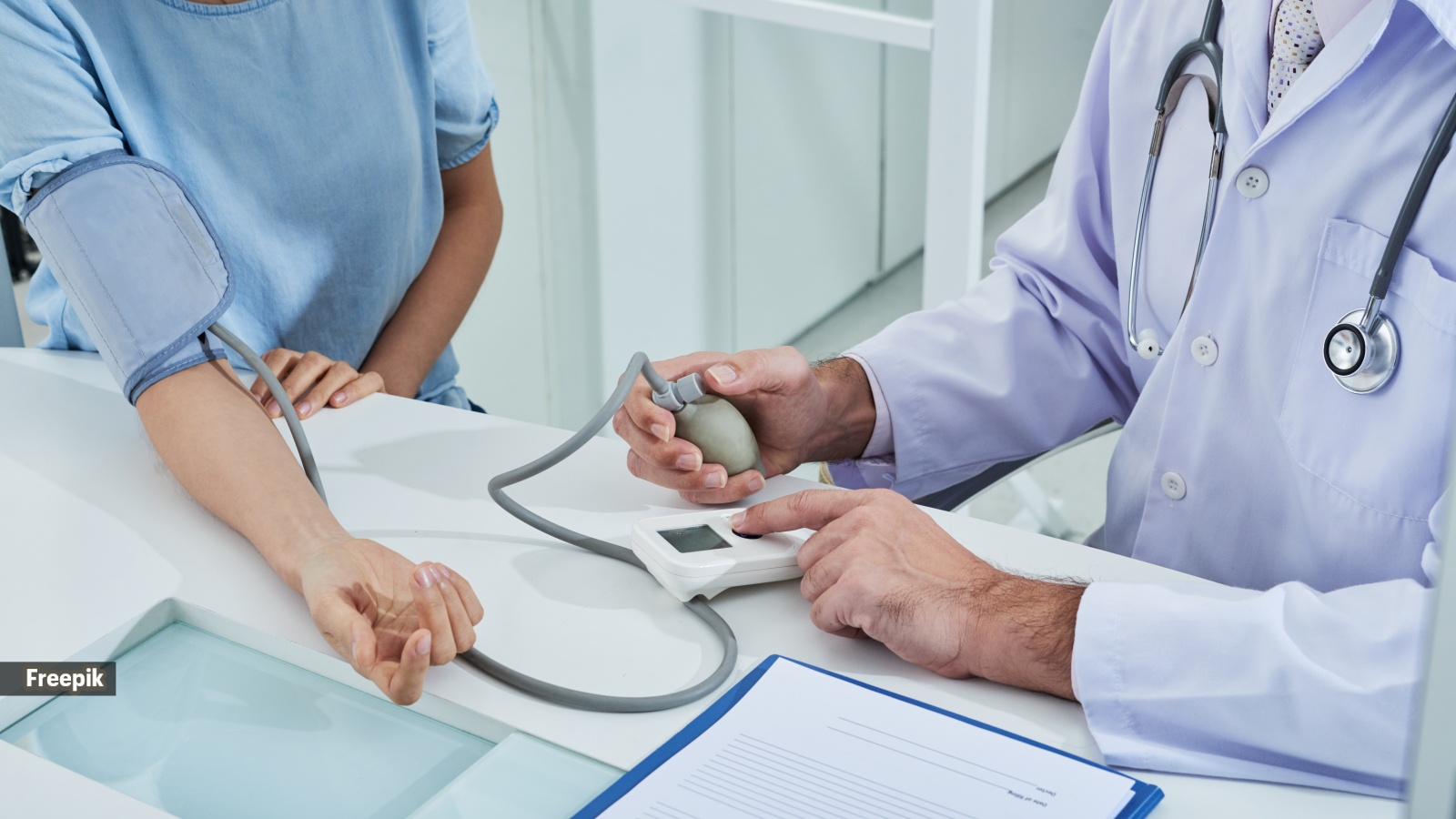
Blood pressure is shown with two numbers: the first measures pressure when the heart pumps, and the second measures pressure when the heart relaxes.
A reading of 137/86 is a little higher than ideal.
Under American guidelines, it is in the Stage 1 hypertension range.
However, one reading is only a snapshot and does not prove that someone has high blood pressure.
The pulse of 70 is usually a normal resting pulse.
Feelings such as stress, recent exercise, or drinking coffee can temporarily raise blood pressure.
Sitting quietly with your feet flat and your arm supported can make the reading more reliable.
If readings stay high, a doctor can review them and decide whether further monitoring or treatment is needed.

A reading of 137/86 mmHg falls within the Stage 1 hypertension range under current American guidelines.
One reading alone does not diagnose hypertension because blood pressure changes throughout the day.
A resting pulse of 70 beats per minute is generally considered normal.
Stress, exercise, caffeine, smoking, poor sleep, and incorrect measurement technique can temporarily raise blood pressure.
Consistently high readings should be discussed with a doctor, who considers average readings and overall cardiovascular risk.
- Who
- The reading was explained by Dr Aseem Dhall, Director and Head of Cardiac Sciences at ISIC Multispeciality Hospital.
- What
- A blood pressure reading of 137/86 mmHg with a pulse of 70 was assessed as slightly above ideal but not diagnostic by itself.
- When
- The article does not specify when the reading was taken.
- Where
- The article discusses both clinic and home blood-pressure measurements.
- Why
- The explanation addresses whether the reading is normal and when repeated elevated readings require medical advice.
- Blood pressure reading
- 137/86 mmHg
- Guideline classification
- Stage 1 hypertension under current American guidelines
- Pulse
- 70 beats per minute, generally within the normal resting range
- Clinic threshold for discussion
- Consistent readings of 140/90 mmHg or higher
- Home threshold for discussion
- Readings around 135/85 mmHg or higher
- Possible temporary influences
- Stress, anxiety, exercise, caffeine, smoking, poor sleep, and measurement technique
- Medication decisions
- Based on average readings, age, medical history, and overall cardiovascular risk