

Archive · 23 Jul 2025
Essential Vitamins: Functions, Needs, and Food Sources
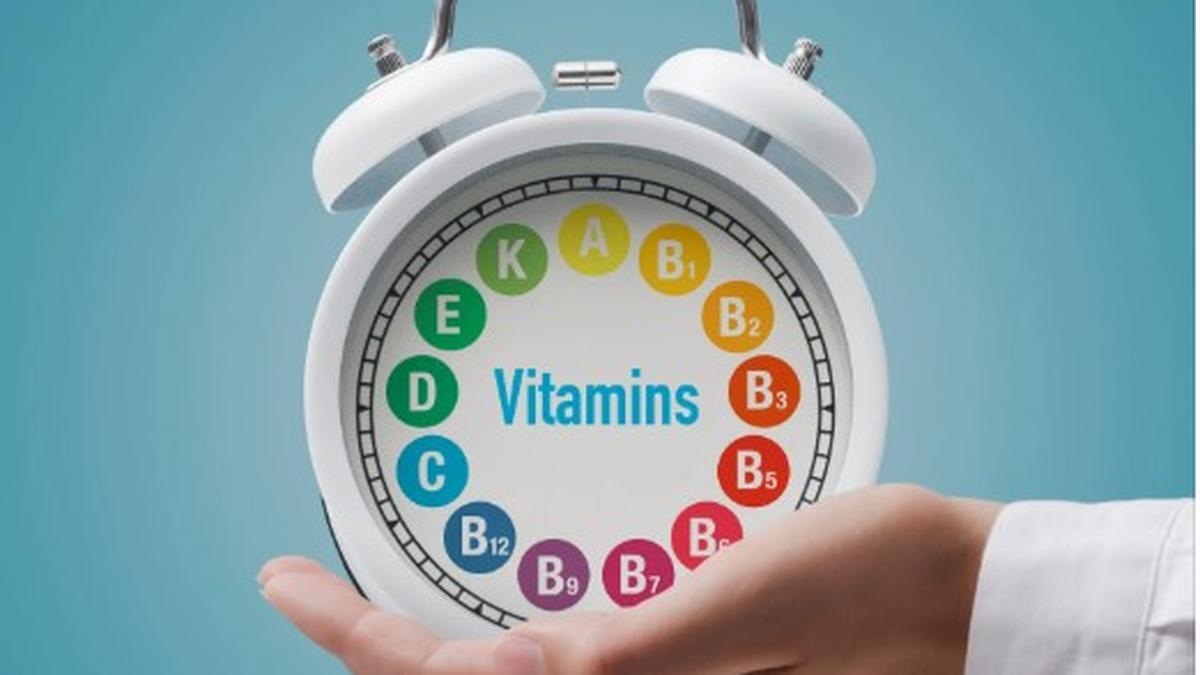
Vitamins are essential for your body to work properly.
Vitamin A helps you see and keeps your skin and immune system healthy.
The B vitamins help your nerves, digestion, and blood.
Vitamin C helps heal cuts and keeps your bones strong.
Vitamin D is important for bones and muscles.
Vitamin K helps your blood clot.
You can get vitamins from foods like fruits, vegetables, dairy, and meat.

Vitamin A supports vision and immune health, found in eggs and dairy.
Vitamin B encompasses eight nutrients, crucial for nervous system, digestion, and blood cell production.
Vitamin C (ascorbic acid) aids wound healing and is found in fruits and vegetables, like citrus.
Vitamin D is vital for bones and muscles, obtained from sun exposure, diet, and supplementation.
Vitamin K is essential for blood clotting, and deficiencies are more common in children.
- Who
- Focuses on vitamins A, B, C, D, and K.
- What
- Overview of essential vitamins, their functions, and food sources.
- When
- Published July 23, 2025
- Where
- N/A
- Why
- To inform readers about the importance of vitamins for health.
- Vitamin A Sources
- Eggs, oily fish, dairy products, and beta-carotene (carrots, peppers, spinach, pumpkin).
- Vitamin B Function
- Nervous system, digestion, red blood cell production.
- Vitamin C Function
- Wound healing, tissue repair, maintaining blood vessels and bones.
- Vitamin D Function
- Bones, teeth, and muscles.
- Vitamin K Function
- Blood clotting.
- Best Food Source
- Liver (rich in A, B, D, and K).