

Archive · 7 Dec 2025
WHO Warns of Rising Malaria Risk in India
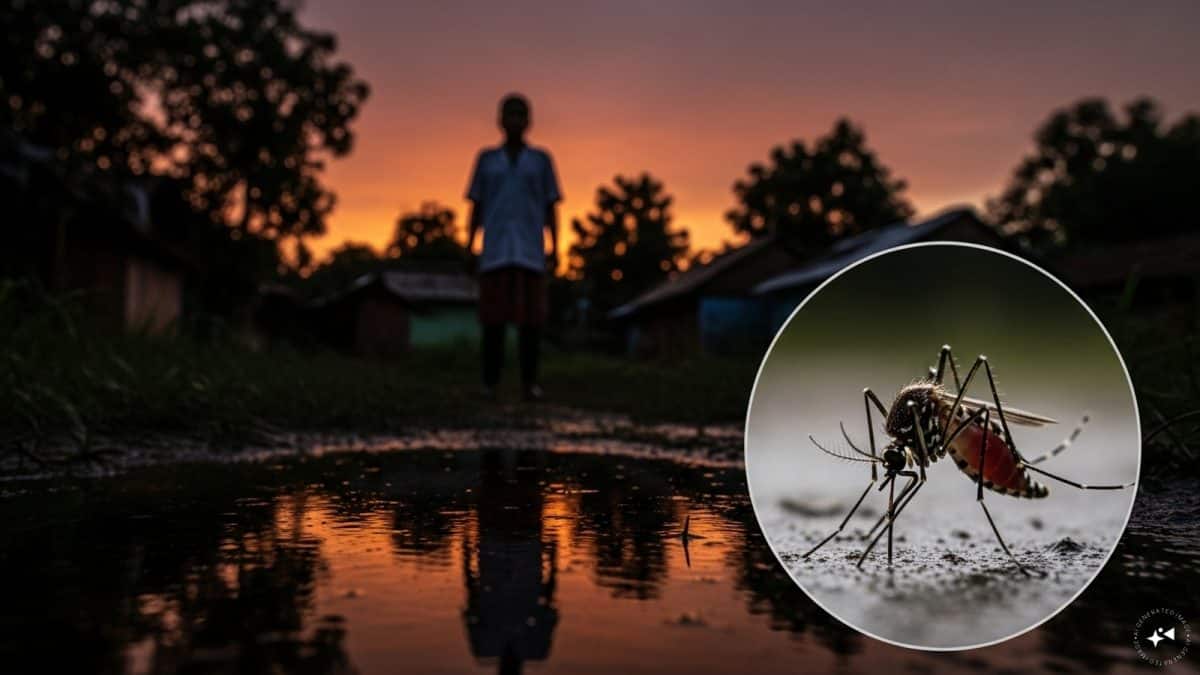
India is working hard to reduce malaria, but the World Health Organization (WHO) says the country still has the most malaria cases in the South-East Asia Region.
Doctors say that not enough people are getting tested or treated quickly, especially in far-away and tribal areas.
They also say that mosquitoes are breeding more because of changes in the environment.
To fix this, the government needs to distribute better tools like vaccines and bed nets, and improve healthcare in all areas.
Doctors also suggest that regular monitoring, quick testing, and continuous mosquito control are important to reduce malaria cases.

India has the highest malaria burden in the South-East Asia Region, according to the latest WHO report.
Weak surveillance, delayed testing, and late treatment are undermining malaria control efforts in India.
Key factors contributing to the malaria burden include inadequate mosquito control and irregular rapid testing.
Enhanced malaria control instruments, such as vaccines and better bed nets, are available but need wider distribution.
Improved field monitoring, continuous mosquito control, and public health education are crucial for reducing malaria cases.
- Who
- WHO, Indian healthcare experts, and the Indian government
- What
- Rising malaria risk in India due to weak surveillance and delayed treatment
- When
- Ongoing, with increased risk during monsoon season
- Where
- India, particularly in remote, border, and tribal areas
- Why
- Inadequate mosquito control, irregular rapid testing, delayed medical care, and environmental changes
- Region with Highest Malaria Burden
- South-East Asia
- Key Factors for Malaria Persistence
- Weak surveillance, delayed testing, late treatment, inadequate mosquito control
- Challenging Areas for Malaria Control
- Remote, border, and tribal areas
- Enhanced Malaria Control Instruments
- Vaccines, better bed nets, preventive medical treatments
- Critical Measures for Malaria Control
- Improved field monitoring, continuous mosquito control, public health education, rapid testing, treatment follow-up
- Additional Resources Needed
- Rapid testing and treatment procedures
- Importance of Data Exchange
- Regular data exchange between states and Nepal
- Effective Measures for Malaria Control
- Prompt insecticide applications, proper waste management, accessible mosquito net distribution