

2 days ago
Lizzie Borden Case Revisited in Netflix’s Monster

In 1892, Andrew Borden and his wife Abby were found dead in their home.
Police accused Andrew’s daughter, Lizzie Borden, of killing them with a hatchet.
Prosecutors said she had a possible inheritance-related motive and was inside the house.
They also pointed to her attempt to buy prussic acid and her burning of a dress after the deaths.
However, no eyewitness saw the killings.
The hatchet found in the basement had no blood on it, and the prosecution could not prove it was the weapon.
The jury found Lizzie not guilty after about 90 minutes.
She remained a subject of public suspicion even after her acquittal.
Her former home later became a museum and bed-and-breakfast, and Netflix’s Monster has brought the case to a new audience.

Lizzie Borden was accused of killing her father and stepmother in Fall River, Massachusetts, on August 4, 1892.
Prosecutors said Andrew and Abby Borden were killed with a hatchet while Lizzie was at home.
Suspicious circumstances included an attempted purchase of prussic acid and the burning of a dress after the killings.
The prosecution had no eyewitnesses or conclusively identified murder weapon, and the hatchet found in the basement tested negative for blood.
An all-male jury acquitted Lizzie on June 20, 1893, but the case remains an unsolved mystery revisited by Netflix’s Monster.
- Who
- Lizzie Borden was accused of killing her father, Andrew Borden, and her stepmother, Abby Borden.
- What
- Andrew and Abby Borden were killed, and Lizzie was tried and acquitted.
- Where
- The killings took place at the Borden family home in Fall River, Massachusetts.
- When
- The killings occurred on August 4, 1892; Lizzie was acquitted on June 20, 1893.
- Why
- Prosecutors argued that Lizzie had an inheritance-related motive and an opportunity because she was home with the victims.
Prosecution’s Case
Defense and Jury’s View
Motive and opportunity
Prosecution’s Case
Prosecutors argued that Lizzie wanted an inheritance and had the opportunity because she was inside the house with Andrew and Abby.
Defense and Jury’s View
The defense benefited from the absence of direct evidence proving that Lizzie committed the killings.
Suspicious behavior
Prosecution’s Case
Prosecutors highlighted Lizzie’s attempted purchase of prussic acid, changing accounts of her whereabouts, and the burning of a dress after the deaths.
Defense and Jury’s View
The prussic-acid evidence was ruled inadmissible, and the dress evidence did not prove that it contained blood from the victims.
Murder weapon and proof
Prosecution’s Case
Investigators found a broken hatchet head buried in basement ash, which prosecutors could suggest was connected to the crime.
Defense and Jury’s View
The hatchet head tested negative for blood, no eyewitnesses existed, and the prosecution could not establish the weapon or prove guilt beyond reasonable doubt.
Key facts
- Victims
- Andrew Borden and Abby Borden
- Accused
- Lizzie Borden
- Date of killings
- August 4, 1892
- Location
- Fall River, Massachusetts
- Key evidence
- An attempted purchase of prussic acid and the burning of a dress after the killings
- Weapon evidence
- The hatchet head found in the basement showed no blood and was not conclusively linked to the murders
- Verdict
- An all-male jury acquitted Lizzie on June 20, 1893, after about 90 minutes
- Current site
- The Borden home operates as a museum and bed-and-breakfast
Sources
Related news

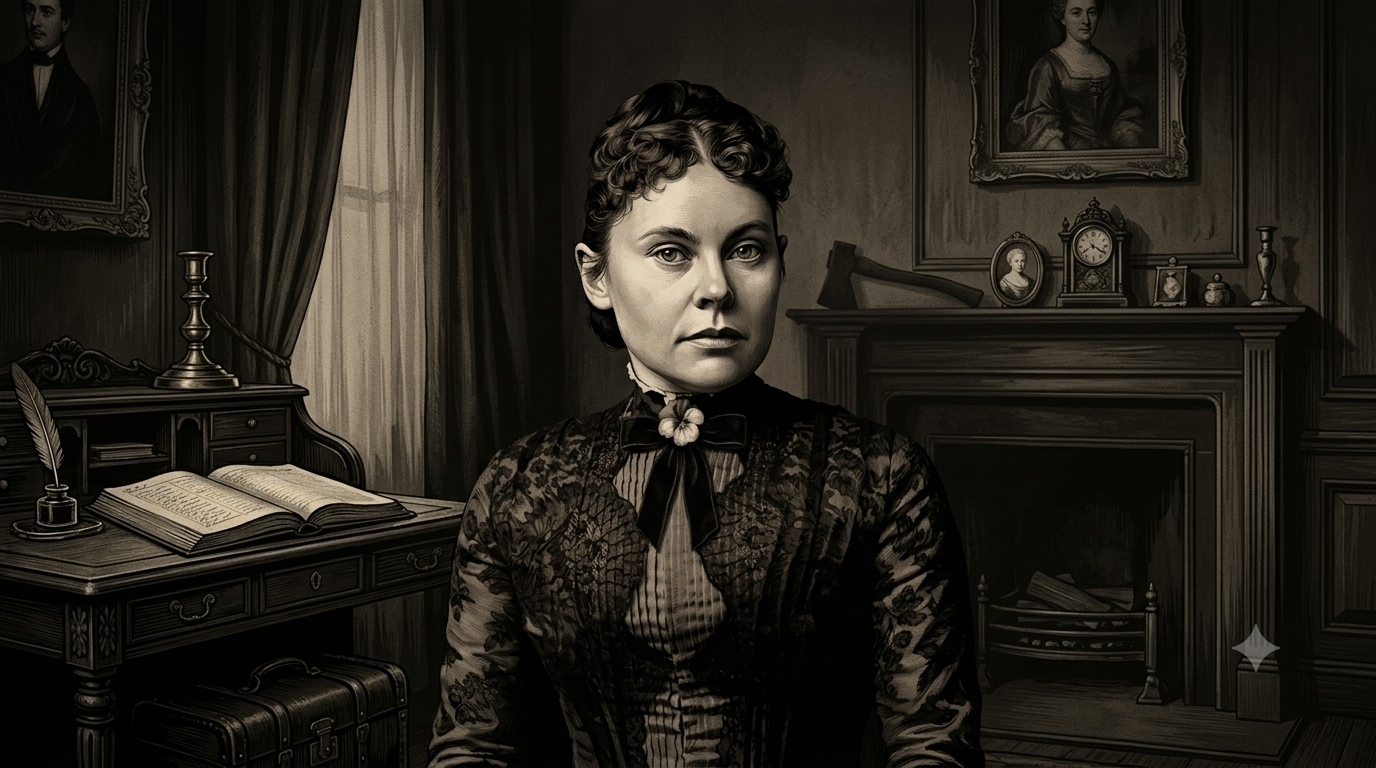
Monster: The Lizzie Borden Story Is Bloody, Ambitious, Uneven
Lindsay Clancy Trial Tests Accountability In Postpartum Psychosis
Massachusetts Lindsay Clancy Triple-Murder Trial Ends Without Verdict

Lindsay Clancy Jury Deadlocks as Murder Trial Reaches Decision
Lindsay Clancy Mistrial Leaves Three-Child Murder Case Unresolved

Caregiver Convicted in Elderly Woman’s Murder-for-Gain Plot
Ella Beatty stars as Lizzie Borden in new Monster teaser
