

Archive · 25 Sep 2025
Prophylaxis in Haemophilia: The 'Prevention is Better' Approach
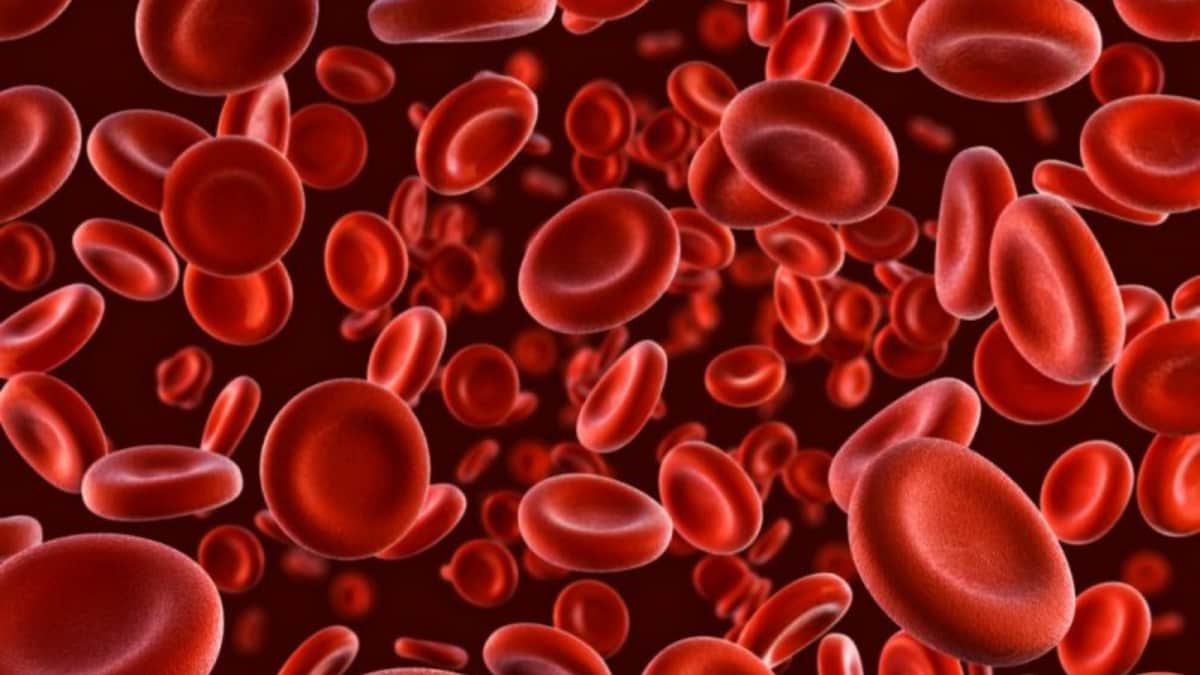
Haemophilia is a condition where blood doesn't clot properly, causing excessive bleeding.
Prophylaxis is like taking medicine regularly to stop the bleeding before it starts.
This is better than waiting for bleeding to happen and then treating it (on-demand).
It helps prevent joint damage, reduces hospital visits, and improves the overall quality of life.
In India, most people with haemophilia don't use prophylaxis, unlike many other countries, despite the benefits.
Prophylaxis is a proactive approach that helps people with haemophilia live healthier lives and save money on medical treatments.

Prophylaxis therapy prevents spontaneous bleeding in people with haemophilia.
Regular prophylaxis protects joints and enhances the quality of life for PwH.
Prophylaxis is more cost-effective than on-demand treatments.
India has a significant haemophilia burden, but prophylaxis adoption is low.
Prophylaxis is the preferred method of care to ensure better health outcomes for affected individuals.
- Who
- People with Haemophilia (PwH)
- What
- Prophylaxis therapy in haemophilia care.
- When
- As of September 25, 2025, the article emphasizes the importance of prophylaxis.
- Where
- India and globally.
- Why
- To prevent bleeding, improve quality of life, and reduce healthcare costs.
- What is Haemophilia?
- An inherited bleeding disorder caused by missing clotting factors
- What is Prophylaxis?
- Regular treatment to prevent bleeding episodes
- Prophylaxis Benefits
- Prevents bleeding, reduces joint damage, improves quality of life
- India's Haemophilia Burden
- Second-largest global prevalence
- Prophylaxis Adoption in India
- Approximately 4% of patients over 18
- Prophylaxis Adoption in Developed Countries
- Over 90%