

Archive · 13 Jan 2026
Strength Training Vital After Menopause
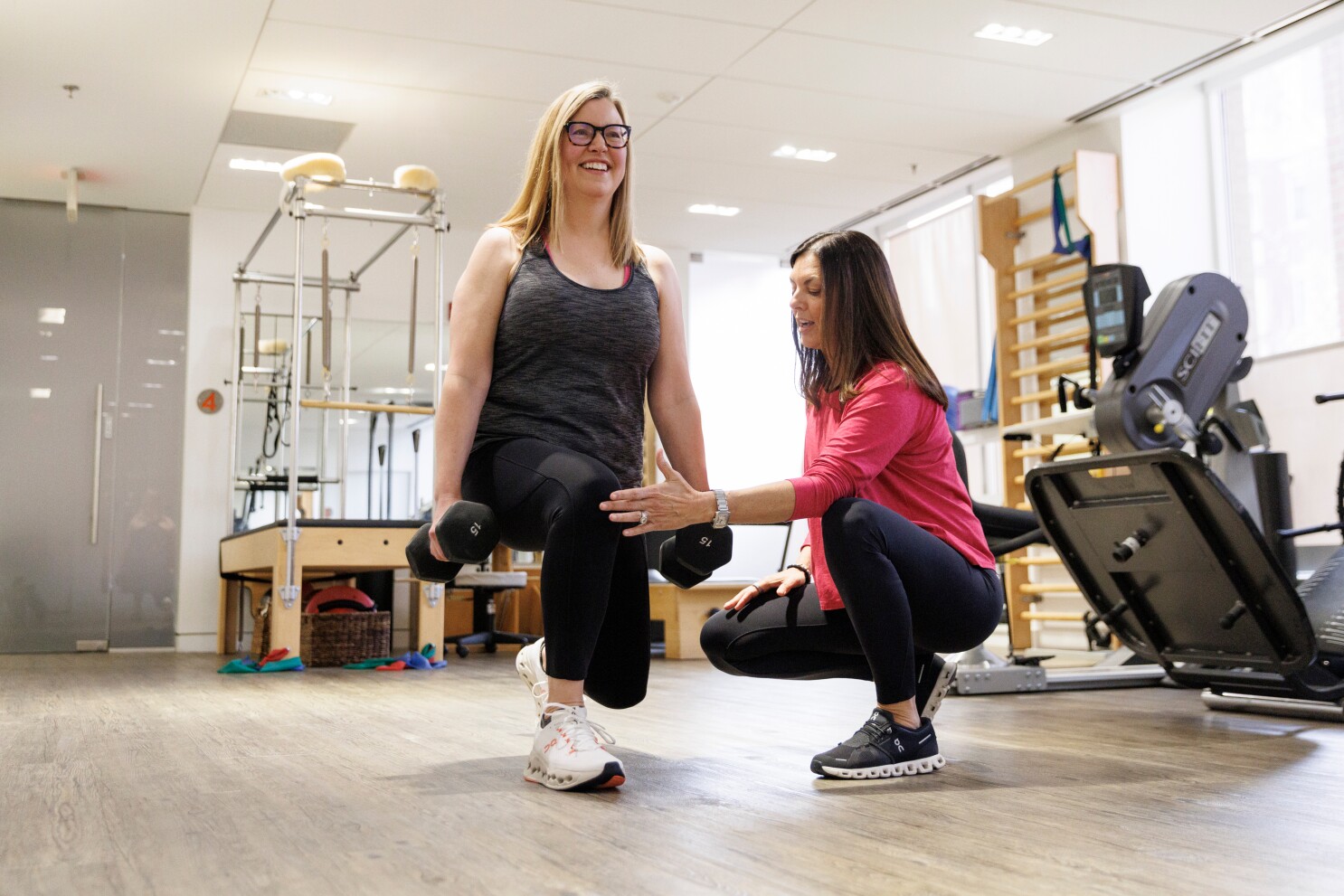
After menopause, women lose bone density and muscle mass because of lower estrogen levels.
Strength training helps keep bones and muscles strong.
This can be done with weights like dumbbells or machines, or with bodyweight exercises like pushups and squats.
It's important to push yourself to lift heavy enough weights and do enough repetitions.
Balance exercises like tai chi and yoga are also helpful to prevent falls.
Starting strength training early in midlife can make a big difference in overall health and fitness.

Strength training helps maintain bone density and muscle mass after menopause.
Resistance exercises can be done with weights or bodyweight movements like pushups and squats.
Lifting weights that are challenging and doing 6-30 repetitions is recommended.
Balance exercises like tai chi and yoga help prevent falls and improve coordination.
Starting strength training in midlife can significantly improve overall health and fitness.
- Who
- Women in midlife, particularly those who have gone through menopause
- What
- Strength training and resistance exercises to maintain bone and muscle health
- When
- After menopause, ideally starting in midlife
- Where
- At home or in a gym, using weights or bodyweight exercises
- Why
- To counteract the loss of bone density and muscle mass due to estrogen loss after menopause
- Age Range
- 50+
- Exercise Types
- Strength training, resistance exercises, balance exercises
- Health Benefits
- Maintains bone density, muscle mass, healthy weight
- Recommended Frequency
- 3 times a week
- Weight Recommendations
- 5-20 pounds (2.3-9.1 kg)
- Impact Training Examples
- Walking, hiking, running, jumping, skipping, climbing stairs
- Balance Exercises
- Tai chi, yoga, standing on one leg