

Archive · 23 Dec 2025
Nipah Virus Vaccine Safe and Effective in Phase 1 Trial
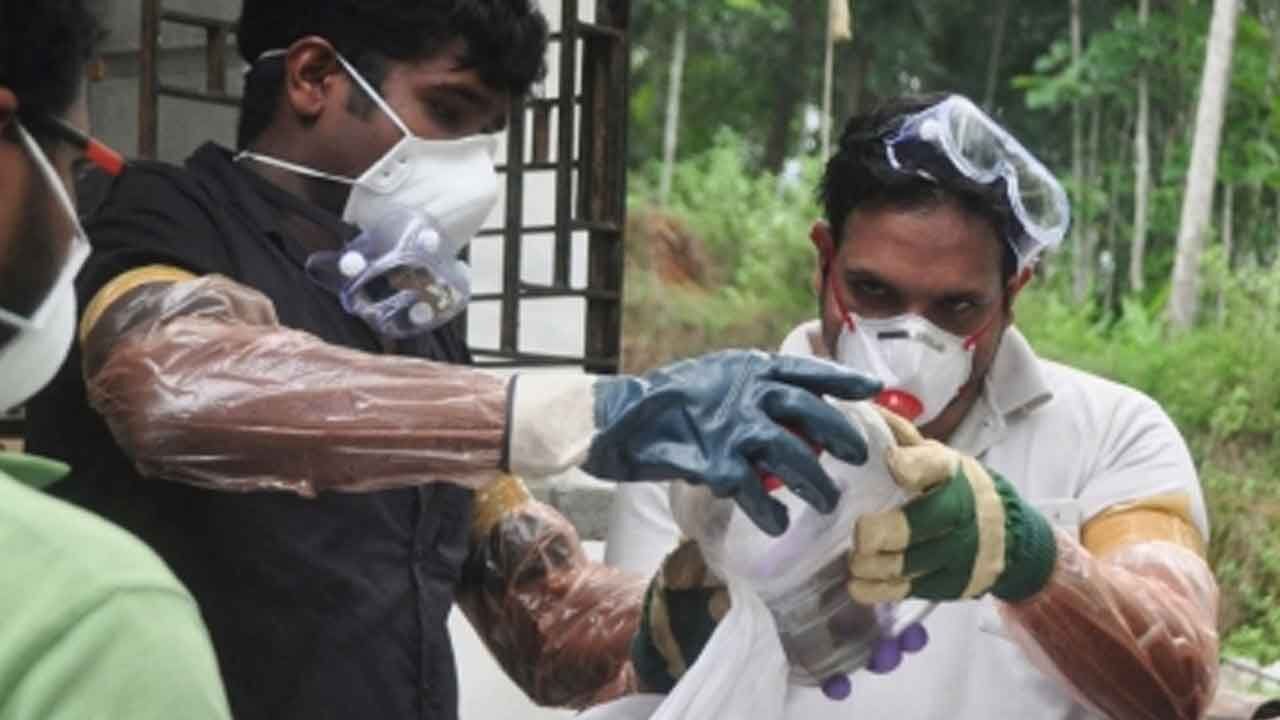
Scientists have tested a new vaccine for the Nipah virus, which is a very serious illness that can cause brain swelling and breathing problems.
The vaccine, called HeV-sG-V, was tested on 192 healthy adults.
The researchers found that giving two doses of the vaccine, 28 days apart, worked the best to make the body's immune system ready to fight the virus.
The vaccine was safe, and no one in the trial had serious side effects.
The Nipah virus is a big problem in some parts of Asia, and this new vaccine could help prevent it from spreading.
Scientists think this is a big step forward and want to test the vaccine on more people to see if it really works to keep people from getting sick.

A phase 1 trial of the HeV-sG-V vaccine for Nipah virus showed it is safe and generates an immune response.
Two doses of 100 micrograms given 28 days apart showed the highest immune response.
No serious adverse events were reported, with mild-to-moderate injection site pain being the most common side effect.
The Nipah virus has a high mortality rate of 40-75% in outbreaks, with no approved treatments or vaccines currently available.
Scientists recommend further testing in a larger phase 2 trial to assess safety and protection.
- Who
- Researchers from Cincinnati Children's Hospital Medical Center and Indian Council of Medical Research-National Institute of Virology
- What
- A phase 1 clinical trial of a Nipah virus vaccine
- When
- The trial included participants aged 18-49, with results published in The Lancet
- Where
- The trial was led by US researchers, with Indian scientists contributing to the editorial
- Why
- To develop a vaccine for the deadly Nipah virus, which has no approved treatments or vaccines
- Vaccine Name
- HeV-sG-V
- Trial Phase
- Phase 1
- Participants
- 192 healthy adults aged 18-49
- Effectiveness
- Two doses of 100 micrograms 28 days apart showed highest immune response
- Safety
- No serious adverse events reported
- Mortality Rate
- 40-75% in outbreaks, up to 82% in severe cases
- Current Status
- No approved treatments or vaccines exist
