

Archive · 26 Aug 2026
Delhi Schools Urged to Strengthen Swine Flu Prevention Measures
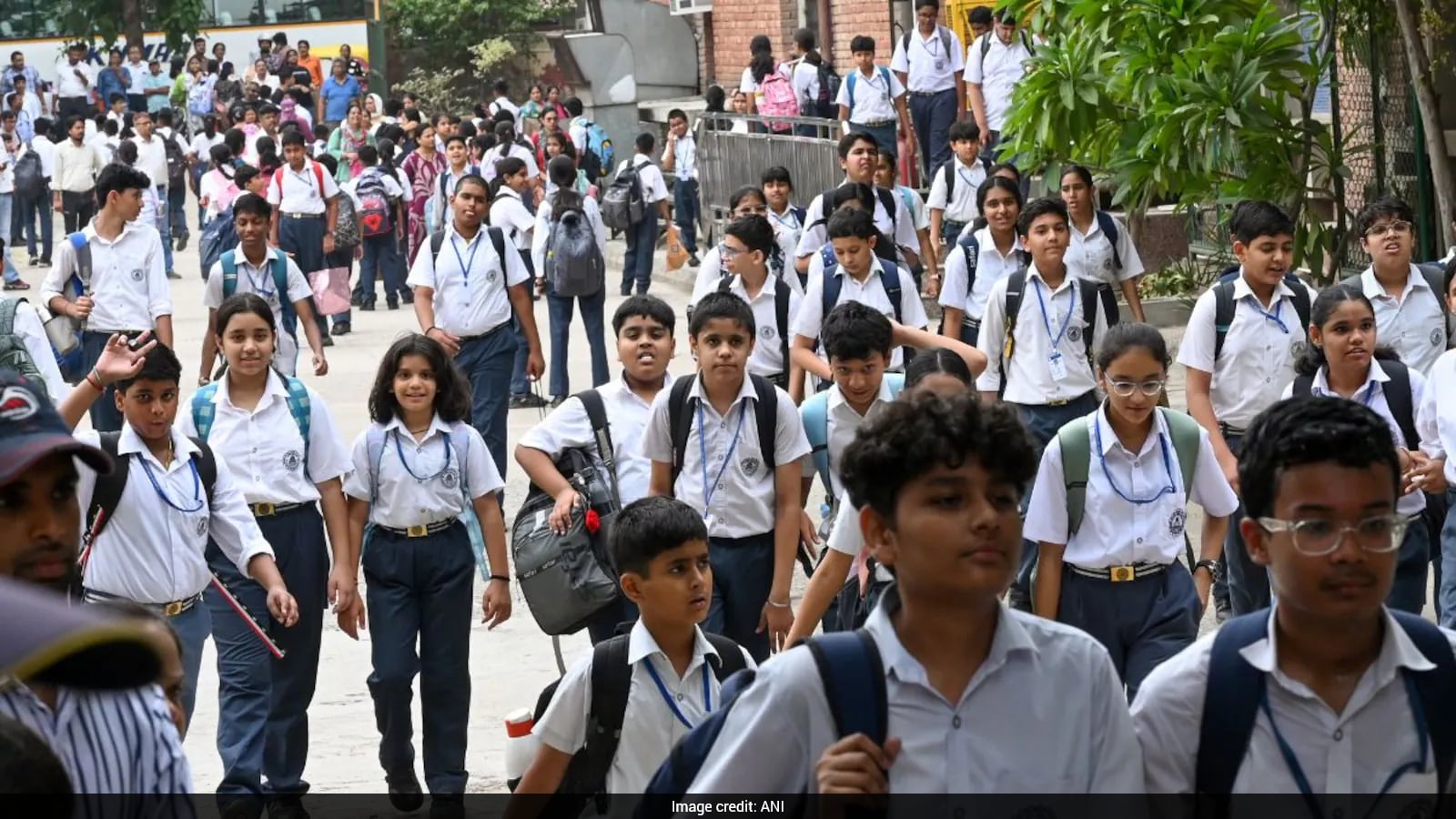
Delhi officials are asking schools to help stop the spread of seasonal flu and swine flu.
They say schools should teach children how to stay healthy.
Students should cover their mouths and noses when coughing or sneezing.
They should wash their hands often with soap and water.
Schools should clean classrooms and keep them well ventilated.
People should avoid getting too close to someone who has breathing or flu symptoms.
Students should drink enough water, eat nutritious food and get enough rest.
The government says there is no need to panic, but medicines should not be taken without advice from a doctor.

The Delhi government advised schools to improve awareness, prevention and preparedness amid rising seasonal influenza and H1N1 cases.
The Directorate of Education asked government, aided and private recognized schools to follow a “Healthy School–Healthy Community” approach.
Schools were told to promote respiratory hygiene, regular handwashing, distancing from symptomatic people and mask use when necessary.
Officials recommended cleaning classrooms and frequently touched surfaces, improving ventilation, and encouraging hydration, nutritious food and adequate rest.
The advisory said there was no need for undue alarm and warned students and staff against self-medication without medical advice.
- Who
- The Delhi government, through the Directorate of Education, advised government, government-aided and private recognized schools.
- What
- Schools were asked to strengthen awareness, prevention and preparedness for seasonal influenza and swine flu (H1N1).
- When
- The advisory was issued amid a rise in reported seasonal influenza and H1N1 cases; the article does not provide a date.
- Where
- Schools in Delhi, the national capital.
- Why
- To reduce infection risks through awareness, hygiene, cleaning, ventilation and other preventive measures.
- Health concern
- Rising cases of seasonal influenza and swine flu (H1N1).
- Covered schools
- Government, government-aided and private unaided recognized schools under the Directorate of Education’s jurisdiction.
- Recommended hygiene
- Cover the nose and mouth when coughing or sneezing, dispose of tissues properly and wash hands regularly.
- Environmental measures
- Clean classrooms, common areas and frequently touched surfaces, while ensuring adequate ventilation where feasible.
- Possible symptoms
- Sore throat, cough, difficulty breathing, body ache, headache, fatigue, chills and fever.
- Medical guidance
- Students and staff were advised to avoid self-medication and not take antibiotics or other medicines without medical advice.
- Awareness channels
- Morning assemblies, classroom interactions, notice boards, parent communication channels and school digital platforms.
