

Archive · 14 Aug 2026
How a Regional War Became the World's Economic Problem
There is a war happening in the Middle East, and it involves Israel, Iran and the United States.
Wars are expensive, and this one has become very costly for the entire world.
Things like oil, food and shipping have become more expensive, so people everywhere pay more for everyday items.
The author says the total cost around the world has already passed one trillion dollars.
Poor people are hurt the most because they cannot afford higher prices.
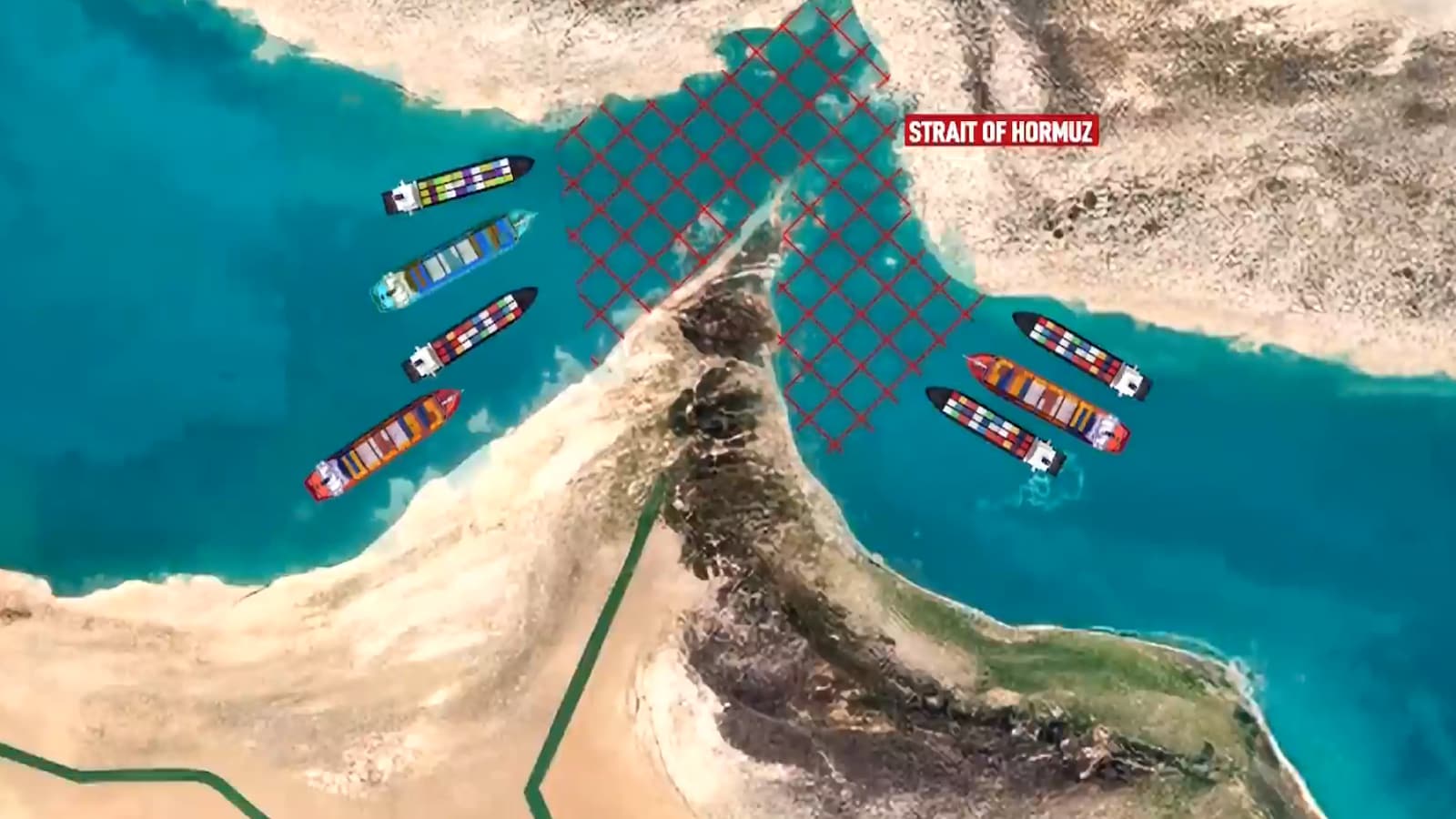
Ships carrying goods across the oceans are being stopped, which makes trade harder.
The article says stopping trade routes can hurt countries just like bombs can.
The author wants countries like India to speak up for everyone who is paying for this war.
A former diplomat wrote this piece, saying the world needs to work together to keep trade routes open and fair.

The cumulative global economic impact of the Middle East war has crossed the trillion-dollar level through higher costs, disrupted supply chains, energy prices and lost opportunities.
Nearly 80 per cent of the world's population — poor, lower-middle and middle-income households — are absorbing higher fuel, food and transportation costs.
The article argues the US and Israel have effectively dragged the wider world into bearing consequences over which other countries have no say.
Modern warfare now hinges on who can bear pain the longest, and Iran reportedly sees endurance itself as part of its strategy.
Blocked shipping and trade routes are described as a low-tech economic weapon potentially more dangerous than bombs, while sanctions on Iran push up prices worldwide.
- Who
- Israel, Iran and the United States are central to the Middle East conflict; a former diplomat author urges India, Pakistan and other affected countries to act.
- What
- A regional Middle East war whose economic fallout — surpassing one trillion dollars globally — is being paid for by people worldwide through higher costs and disrupted trade.
- When
- Not specified in the article; the conflict is described as ongoing.
- Where
- The Middle East, with ripple effects across Asia, Africa and South Asia.
- Why
- The war disrupts energy, shipping and supply chains, while sanctions on Iran spread inflation globally; strategic interests compete with humanity's collective interest in ending the conflict.
- Global economic impact
- Cumulative cost has crossed the trillion-dollar level
- Population bearing the burden
- Nearly 80% — poor, lower-middle and middle-income households
- World population cited
- Around 8.5 billion
- Estimated cost per person
- Additional burden of $10–50 per person
- Conflict parties
- Israel, Iran, United States
- Countries urged to respond
- India (strategic leadership); Pakistan (avoid dealmaker role)
- Proposed solution
- New international platform for shipping routes, energy corridors and trade security